Chimney Crown Repair
A cracked or crumbling chimney crown lets water pour straight into your flue and chimney structure. We rebuild and reseal crowns so rain and snowmelt run off instead of soaking into the brick below.
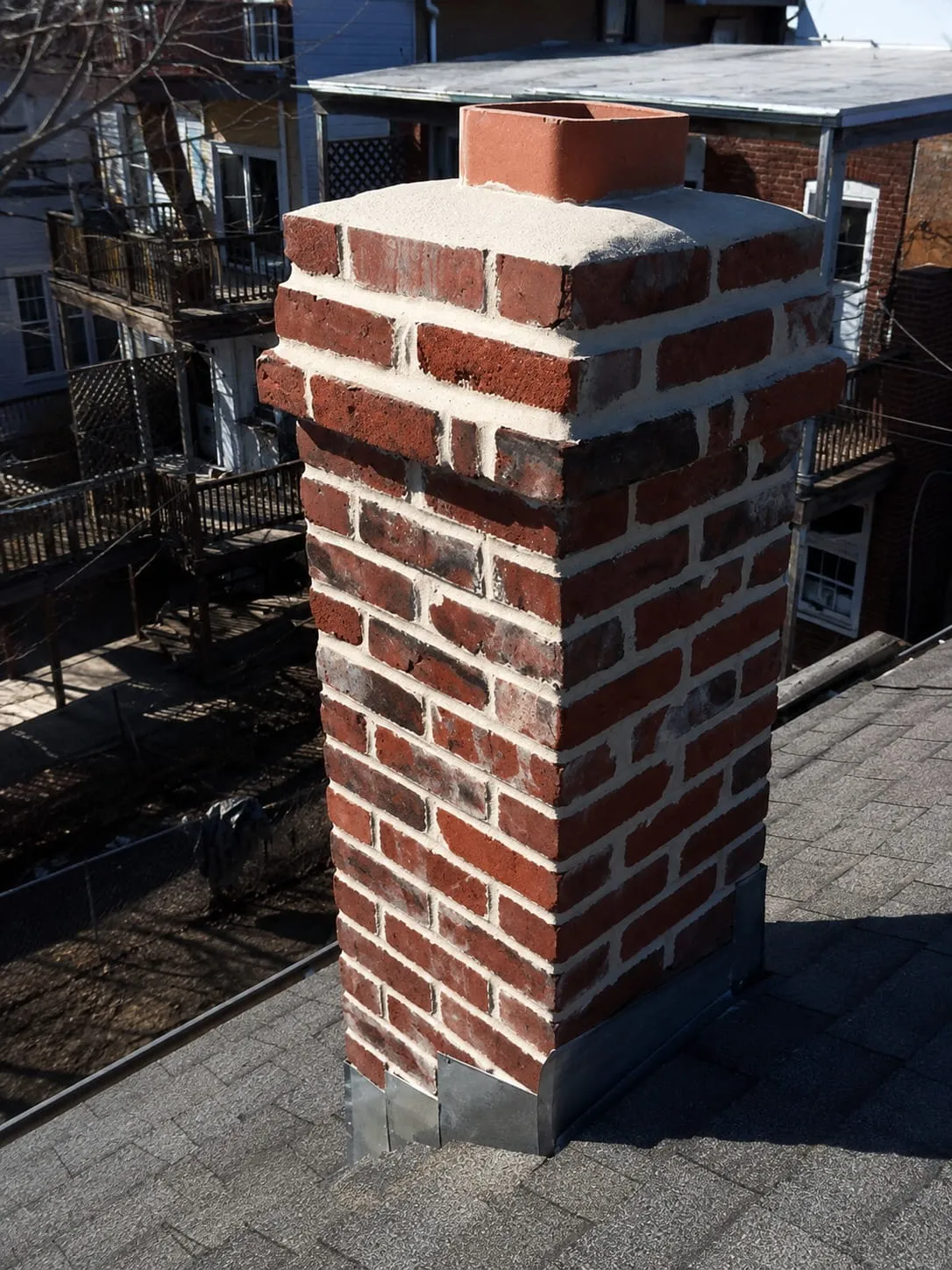
If your chimney has a cracked crown, spalling brick, or crumbling mortar above the roofline, you're looking at one of the most common repair calls in the city. Washington DC's freeze-thaw winters push water into every hairline crack, and when it refreezes, it expands and forces bricks and joints apart—turning small chimney damage into a serious structural problem fast.
As experienced chimney repair contractors in Washington DC, The Brick Bros handles every stage of the fix—rebuilding damaged crowns, repointing the mortar joints above your roofline, replacing spalled or missing brick, and completing partial or full rebuilds when the structure has gone too far to patch. We've restored historic chimneys in Georgetown and Capitol Hill, and we always check the flashing while we're up there, since a hidden leak there is often the real cause of water damage inside your home.
Whether you're in Cleveland Park, Capitol Hill, or anywhere else in DC or the Maryland suburbs, don't wait for a small crack to become a collapsed crown or a leaning stack. Contact The Brick Bros today for a free inspection and quote.
A cracked or crumbling chimney crown lets water pour straight into your flue and chimney structure. We rebuild and reseal crowns so rain and snowmelt run off instead of soaking into the brick below.
Mortar joints above the roofline take the worst beating from DC's freeze-thaw cycles. We grind out failing mortar and repoint it to match your existing brick, sealing out water and stopping further erosion.
Spalling, cracked, or missing bricks weaken your chimney and let moisture work its way deeper into the structure. We remove and replace damaged brick, matching color and size for a seamless repair.
When damage goes beyond repointing and brick swaps, a rebuild is the safer fix. We reconstruct chimneys from the roofline up, or from the foundation, matching the look of your existing home.
Most chimney leaks start where the flashing meets the roof, not the chimney itself. We inspect and reseal or replace worn flashing to keep water out of your attic, ceilings, and walls.
A leaning or separating chimney is a safety concern, not just a cosmetic one. We diagnose the cause, shore up the structure, and rebuild the affected sections so your chimney stands straight and secure.
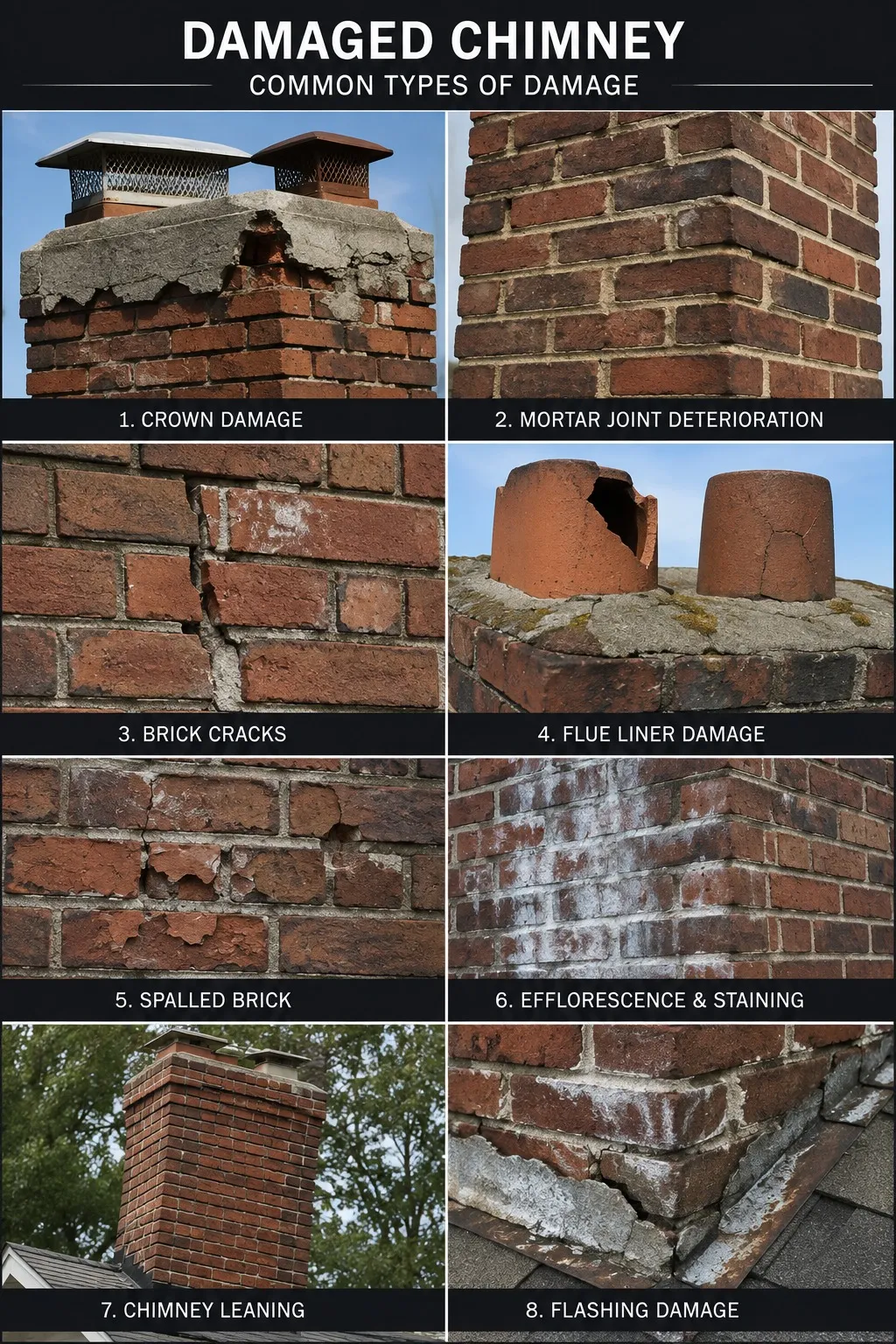
Chimneys take on more weather exposure than almost any other part of a home, which means damage often develops gradually before becoming visible or urgent. Catching these signs early can prevent water intrusion, structural failure, and costly interior damage down the line.
We inspect chimneys thoroughly for structural damage, flue issues, and fire hazards before recommending repairs. This careful assessment ensures your chimney is genuinely safe to use, not just cosmetically improved.
Many DC rowhouses feature original chimneys requiring specialized repair knowledge. Our masons understand how to repair these structures while preserving their character and ensuring continued safe function.
We address chimney crown, flashing, and mortar issues that allow water infiltration, a common cause of chimney deterioration in DC's climate. Proper weatherproofing extends your chimney's lifespan significantly.
Chimney repair work is performed by licensed, insured professionals meeting DC safety and building code standards, giving you confidence the repair is both compliant and properly documented for insurance purposes.
We provide itemized quotes explaining the specific repairs needed and associated costs, so you understand exactly what's being addressed and why before any work begins on your chimney.
Our team has repaired chimneys across DC properties of all ages, giving us practical experience with the range of issues common to the city's diverse chimney construction and materials.
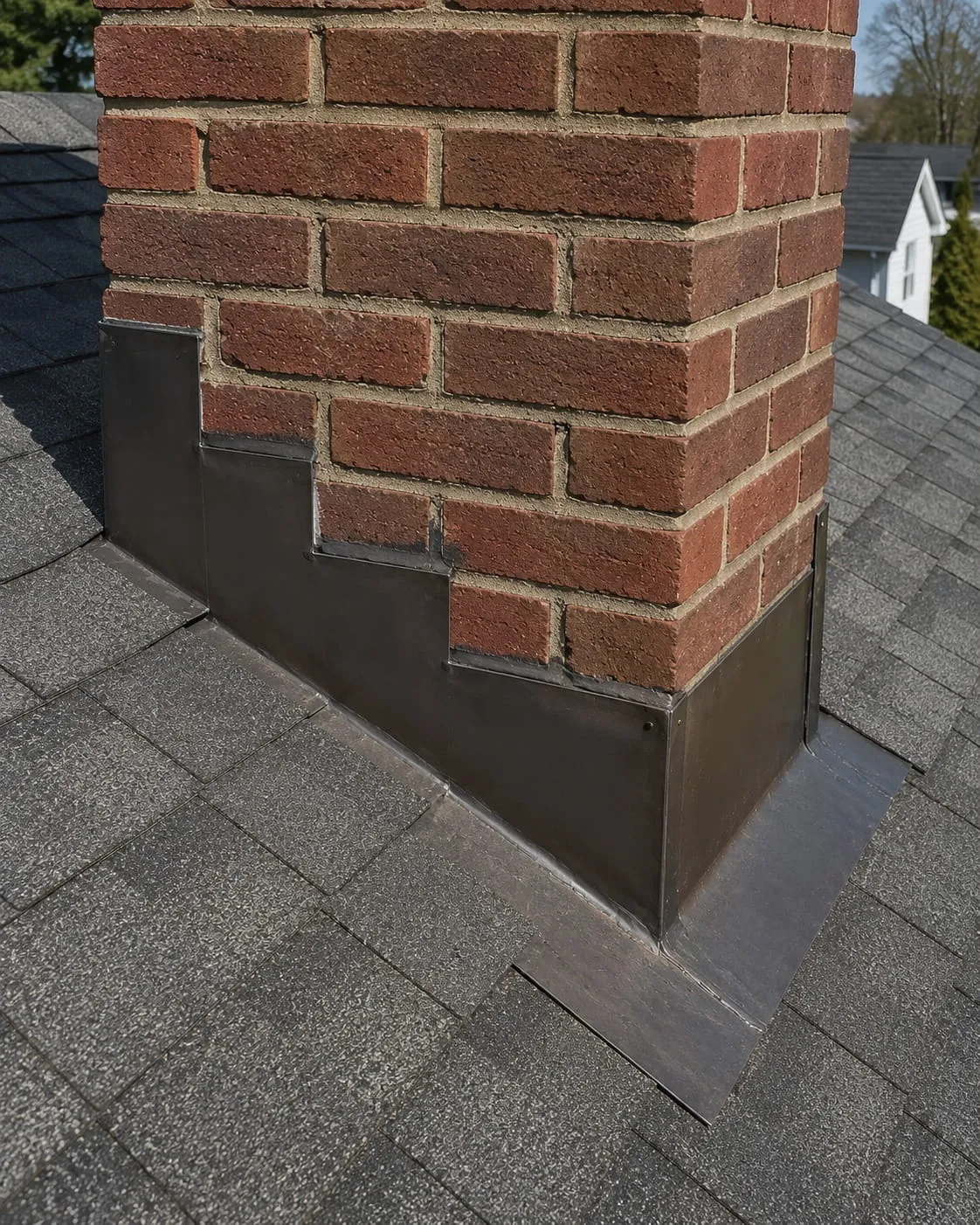
Chimney flashing is the metal barrier installed where the chimney meets the roofline, designed to seal that joint and prevent water from seeping into the surrounding structure. Over time, flashing can fail due to rust, corrosion, physical damage, or simply loosening from the roof surface after years of expansion and contraction through seasonal temperature changes.
Once flashing fails, water finds its way into the roof deck and interior ceilings, often causing damage well before homeowners notice the source. Fixing failed flashing involves removing the damaged material, inspecting the surrounding roofing and masonry for existing water damage, and installing new flashing correctly sealed and integrated with both the chimney and roof. Proper flashing repair is essential to protecting not just the chimney, but the structural integrity of the roof and interior spaces beneath it.
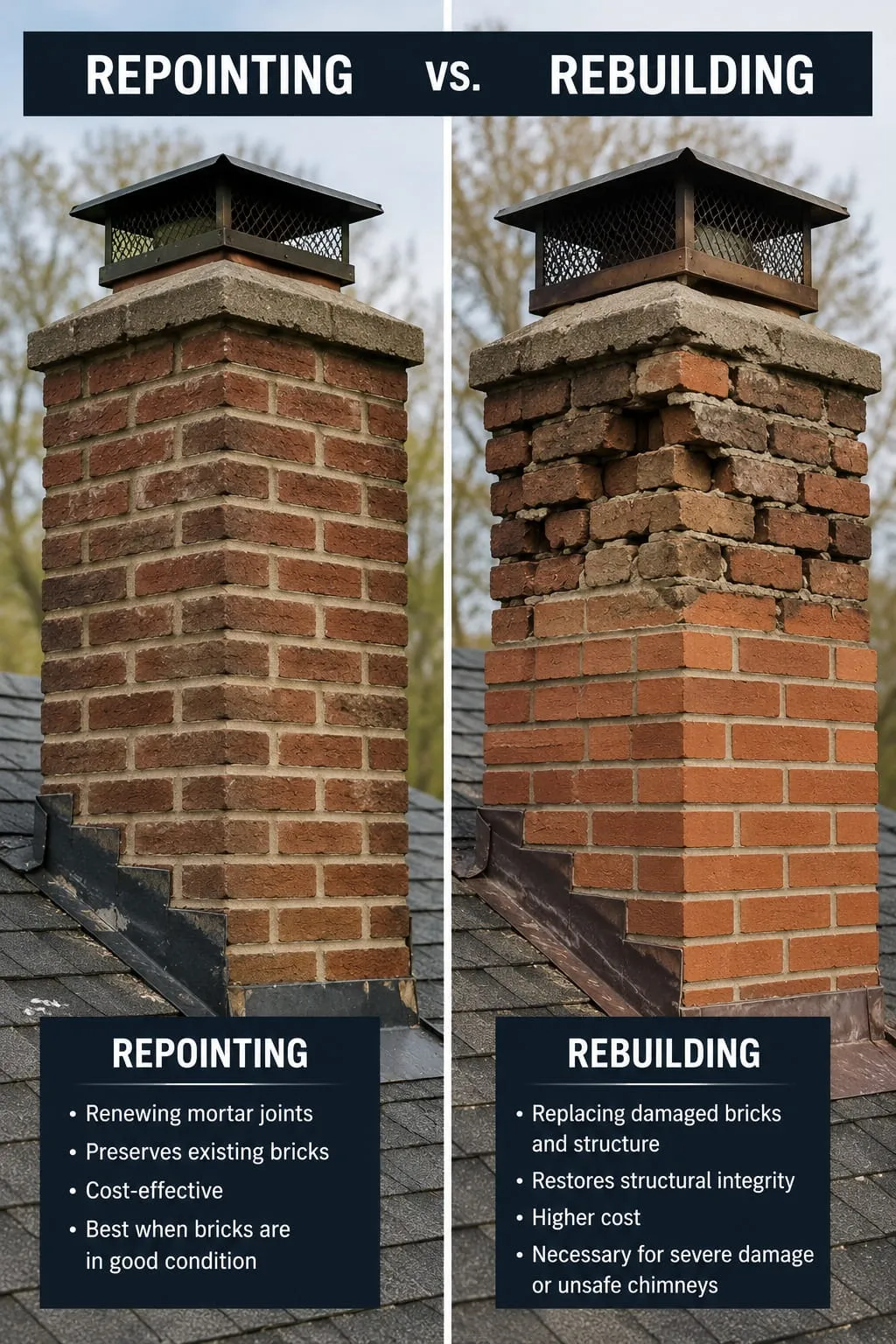
Deciding between repointing and rebuilding a chimney comes down to how extensive the damage actually is. If mortar joints have deteriorated but the brick itself remains structurally sound, repointing is typically sufficient — removing failed mortar and replacing it with new, properly matched material to restore protection.
However, if the chimney shows signs of significant structural movement, widespread spalling brick, or a leaning stack, rebuilding portions or the entire chimney above the roofline may be necessary to ensure long-term safety and stability. We assess the extent of damage during inspection, examining brick condition, mortar integrity, and any visible leaning or shifting before recommending the appropriate repair. Choosing the right approach protects both your investment and your home’s long-term safety.
Look for cracks, chipped edges, or pieces of concrete near your fireplace or on the roof. Water stains on the ceiling near the chimney are another red flag. If you spot any of these signs, especially after a DC winter, it's worth getting a free inspection before the damage spreads.
Washington DC swings between freezing nights and warmer days all winter long. Water that seeps into mortar joints and brick freezes, expands, and cracks the material, then thaws and repeats the cycle. Over a few seasons, that constant freeze-thaw movement turns small cracks into serious structural problems.
In many cases, yes. Most chimney damage we see in DC homes can be fixed with crown repair, repointing, or replacing a section of brick, which costs far less than a rebuild. We only recommend a full rebuild when the structure is too unstable to patch safely.
Talk to a local DC masonry expert about your project — no pressure, no obligation.