Crumbling or missing mortar
When mortar joints visibly crumble or fall away, brick loses the protection it needs against water and weather, signaling that tuckpointing is overdue.
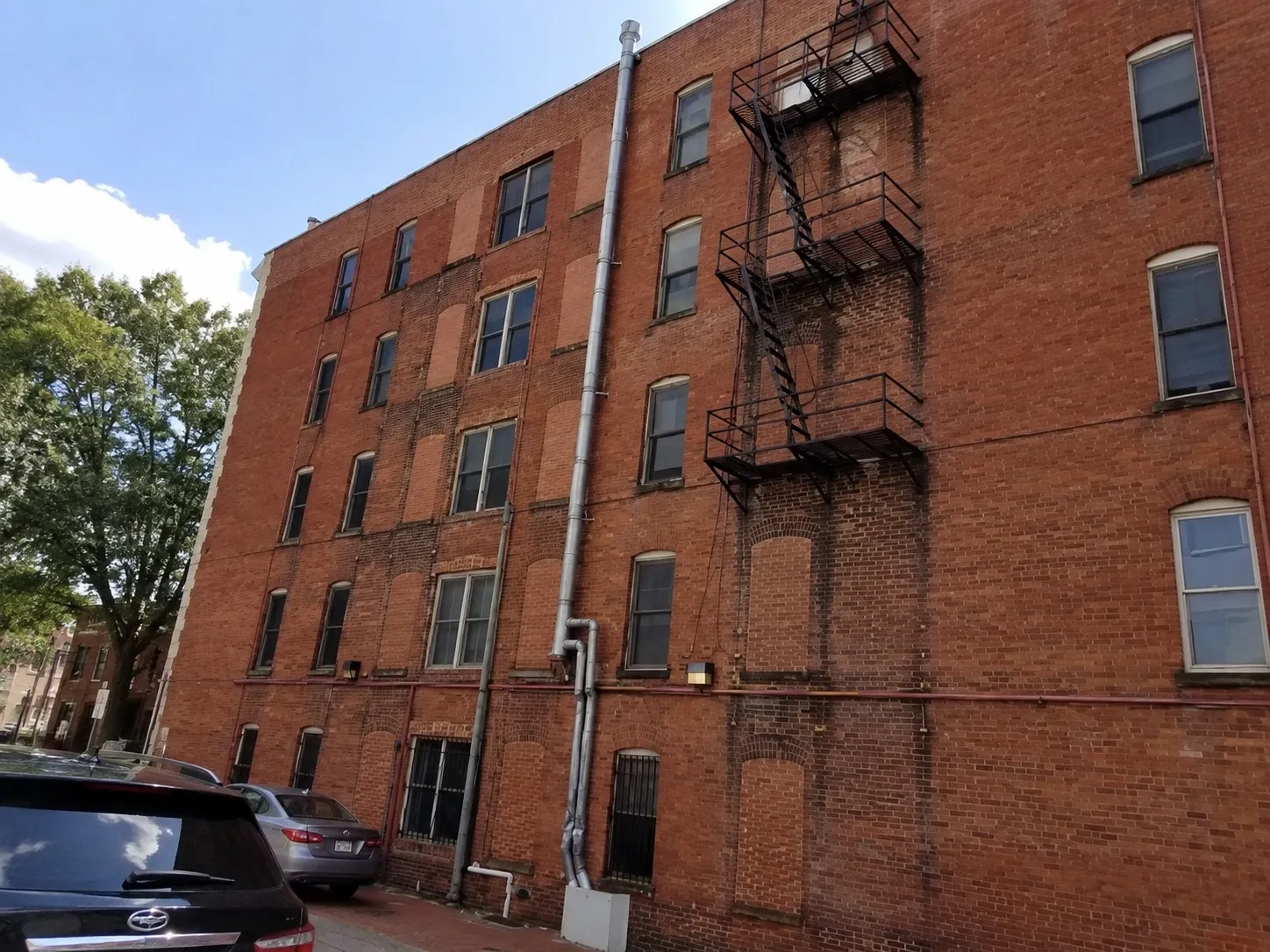
Are the mortar joints in your brickwork looking worn or cracked, making your walls appear aged or damaged? Tuck pointing is a specialized technique that not only restores the structural integrity of your brickwork but also revitalizes its aesthetic appeal. In Washington DC, where weather changes can accelerate mortar deterioration, tuck pointing provides a durable and attractive solution to protect your home or building.
Our Washing DC tuck pointing team carefully remove damaged mortar and replace it with two contrasting colors to create the illusion of perfectly narrow joints. This technique preserves the historic look of your masonry while strengthening the structure against water and weather damage.
Don’t let old, cracked mortar compromise your property’s safety or curb appeal. Contact us today for expert tuck pointing that enhances and protects your brickwork beautifully.
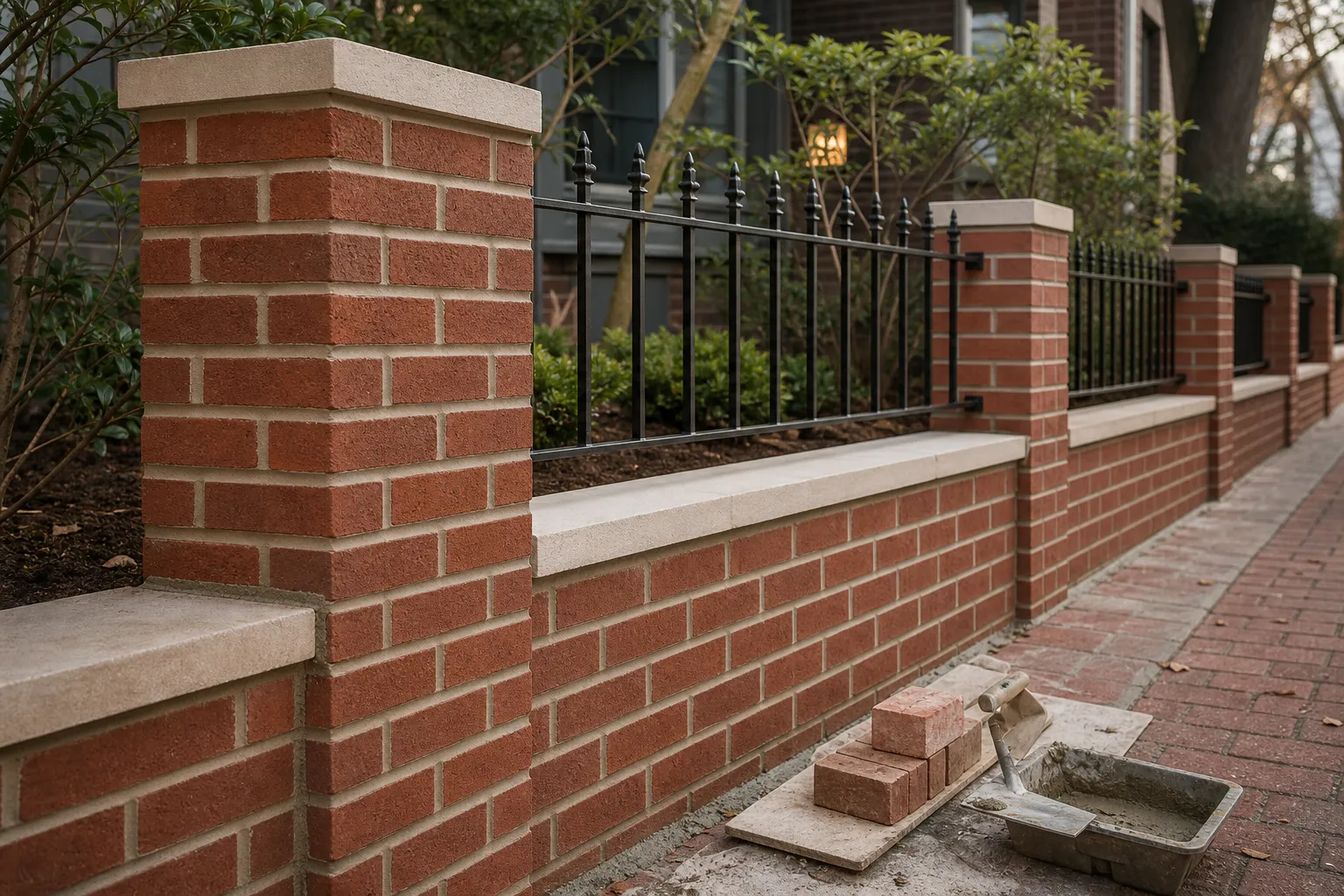
Cracked or missing mortar joints can make even the most beautiful brickwork look tired and worn out. Tuck pointing is more than just a repair—it’s a restoration technique that sharpens your masonry’s appearance while reinforcing its strength. By carefully layering two colors of mortar, tuck pointing recreates the look of fine, clean joints and seals your walls from moisture. This precise craftsmanship ensures your brickwork looks flawless and stays protected for years to come.
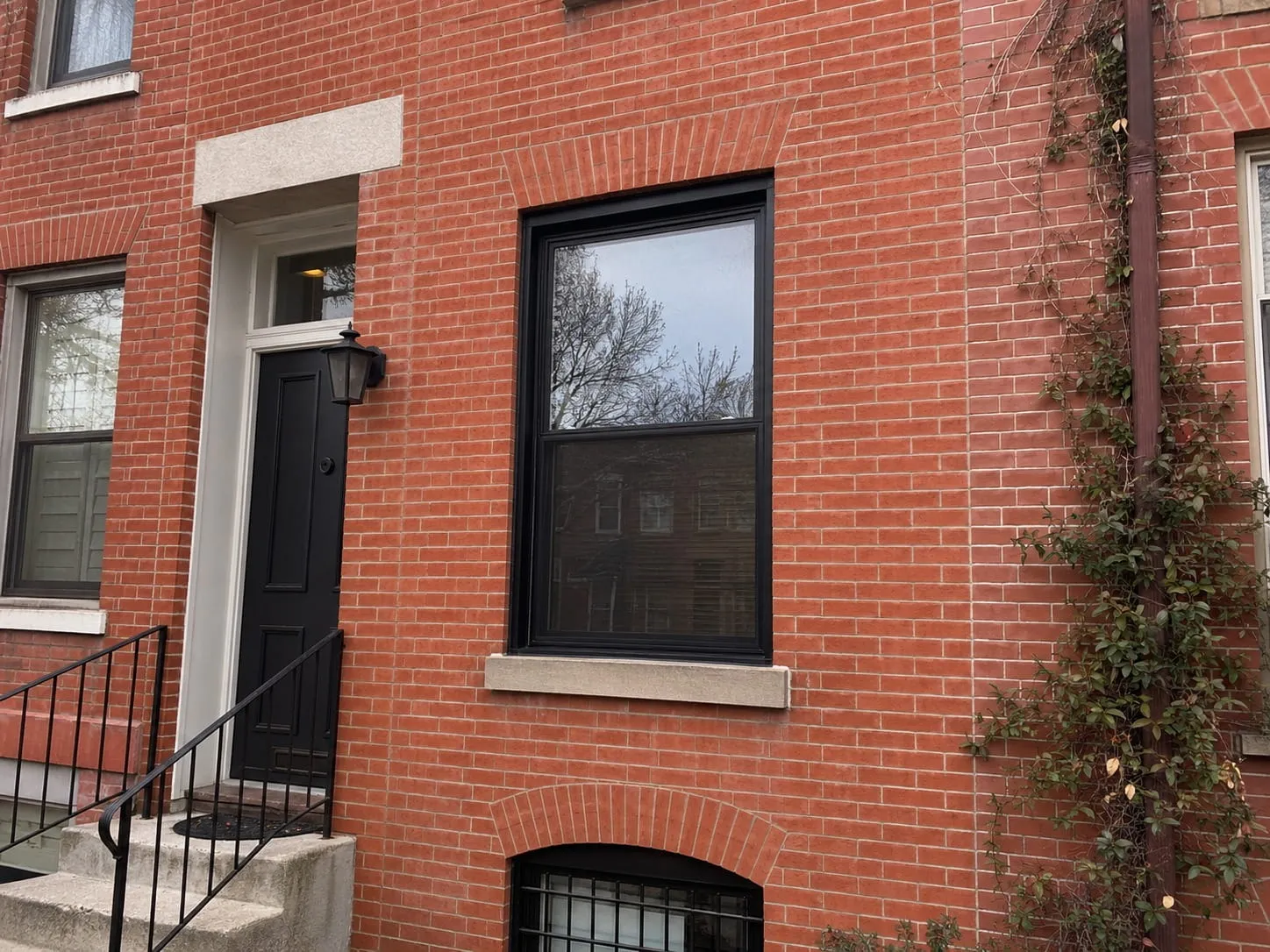
Historic DC rowhouses rely on tuckpointing to preserve both structural integrity and architectural character. Over decades, mortar joints deteriorate from weather exposure and moisture, leaving brick vulnerable to water infiltration and further damage. Tuckpointing restores these joints with matched mortar, protecting the wall while replicating the fine, decorative lines that gave historic facades their refined appearance. Done correctly, it preserves a building’s original craftsmanship rather than masking it. For rowhouses in historic districts, proper tuckpointing is often essential to maintaining HPRB compliance while ensuring the structure remains sound. It’s a technical skill that protects both a home’s function and its historic value.
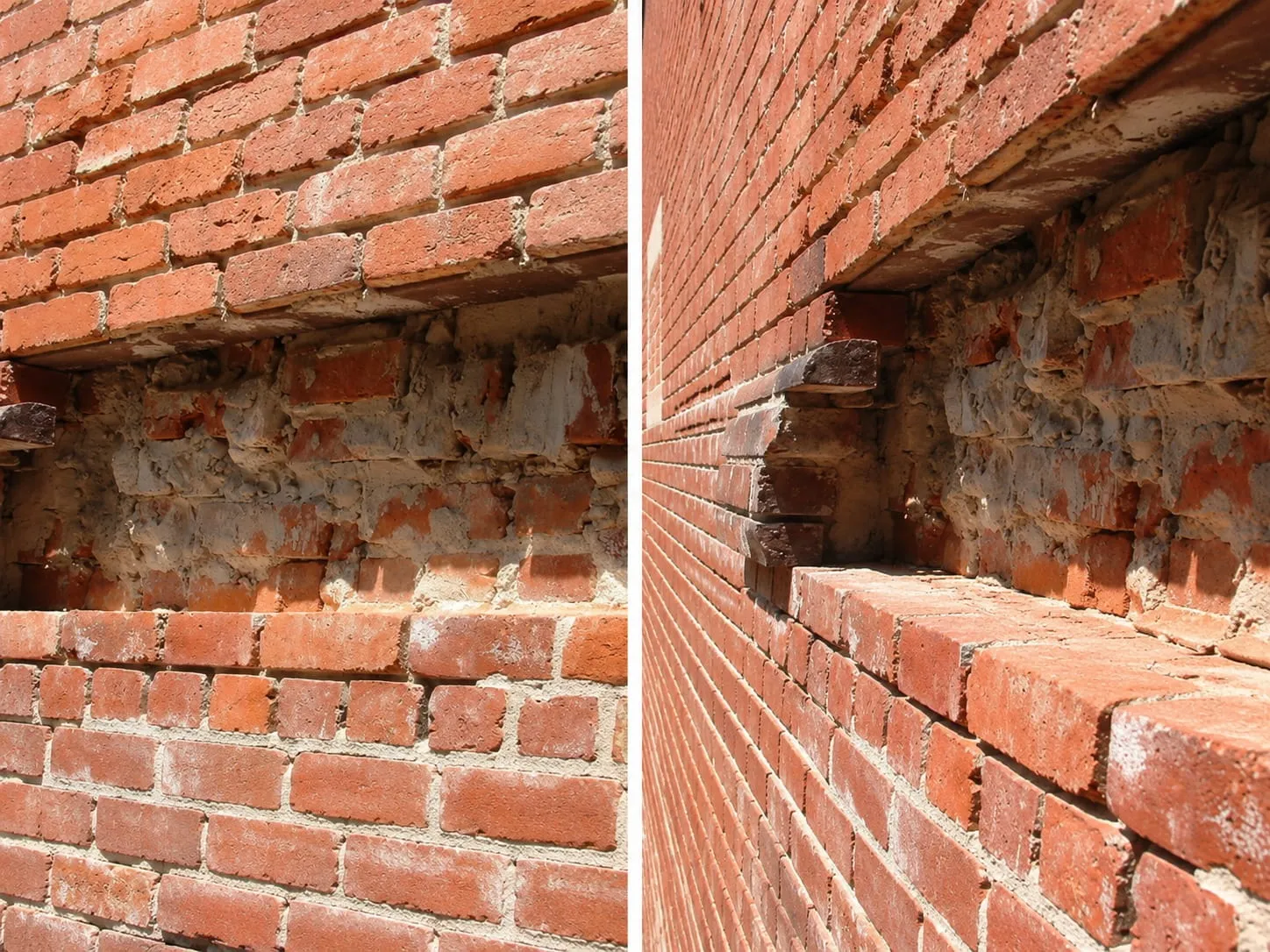
Deteriorating mortar is one of the most common threats to historic brick facades, allowing water to penetrate walls and accelerate long-term damage. Left unaddressed, failing mortar joints can lead to spalling brick, structural cracking, and costly interior damage. Preserving a historic facade means catching this deterioration early and repairing it with materials and techniques suited to the original masonry — not modern, overly hard cement that traps moisture instead of releasing it. Our team assesses mortar condition, identifies the underlying cause of failure, and repoints with matched materials to stop deterioration at its source, protecting your facade’s structure and appearance for decades to come.
When mortar joints visibly crumble or fall away, brick loses the protection it needs against water and weather, signaling that tuckpointing is overdue.
Water stains appearing on interior walls near brick exteriors often indicate mortar failure allowing moisture to penetrate through to the inside of the building.
Noticeable gaps or recessed mortar between bricks show that joints have eroded significantly, leaving the wall structurally exposed and vulnerable to further damage.
Dark staining or discoloration around mortar joints often points to moisture retention, a sign that failing mortar is trapping water instead of shedding it properly.
Bricks that feel loose or have visibly shifted indicate the mortar holding them in place has deteriorated to the point of losing structural support.
Patchy, uneven, or discolored mortar from past repairs often signals incorrect materials were used, requiring proper tuckpointing to restore both function and appearance.
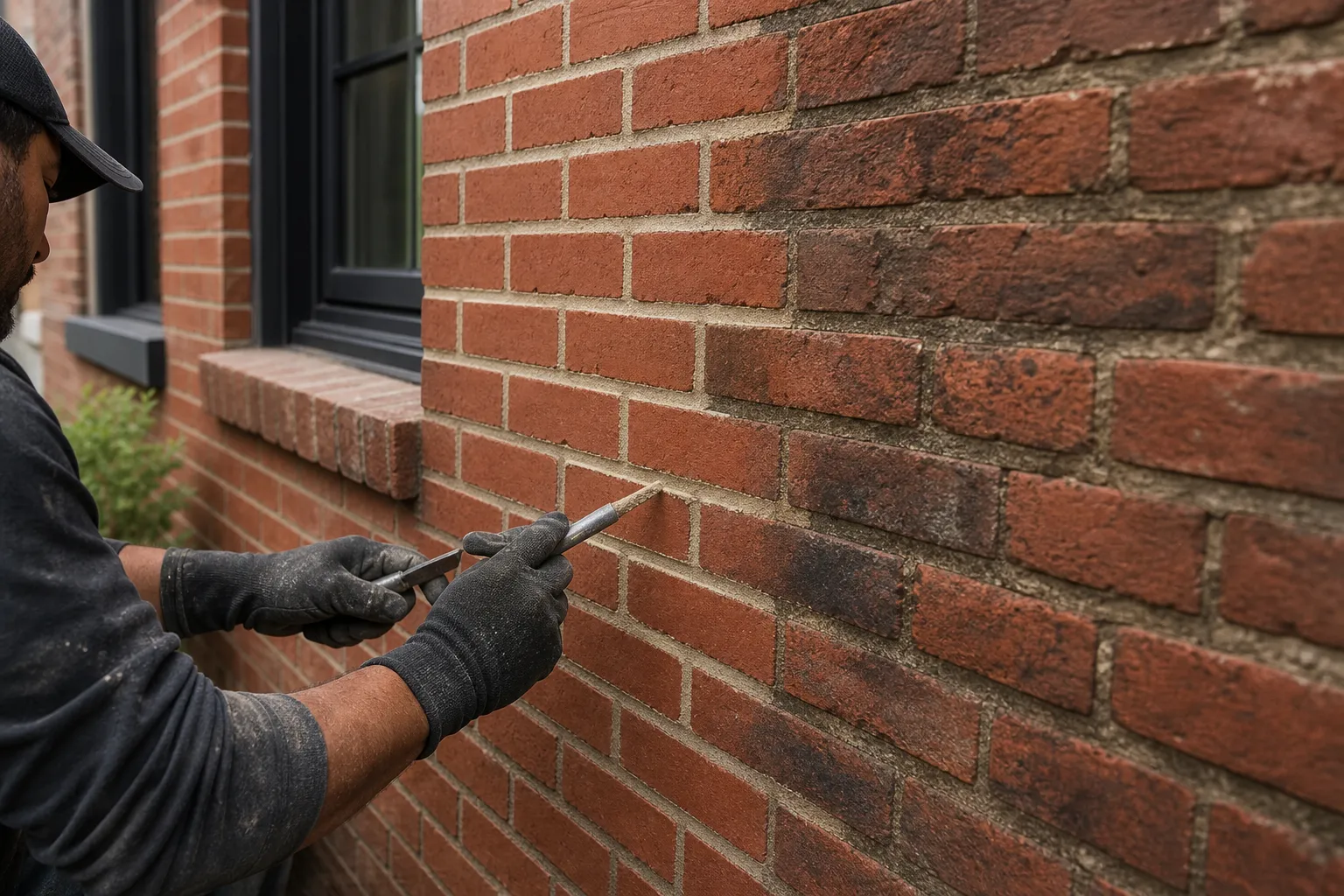
Historic rowhouses require softer lime-based mortar rather than modern Portland cement, since mismatched hardness causes surrounding brick to crack and deteriorate faster over time.
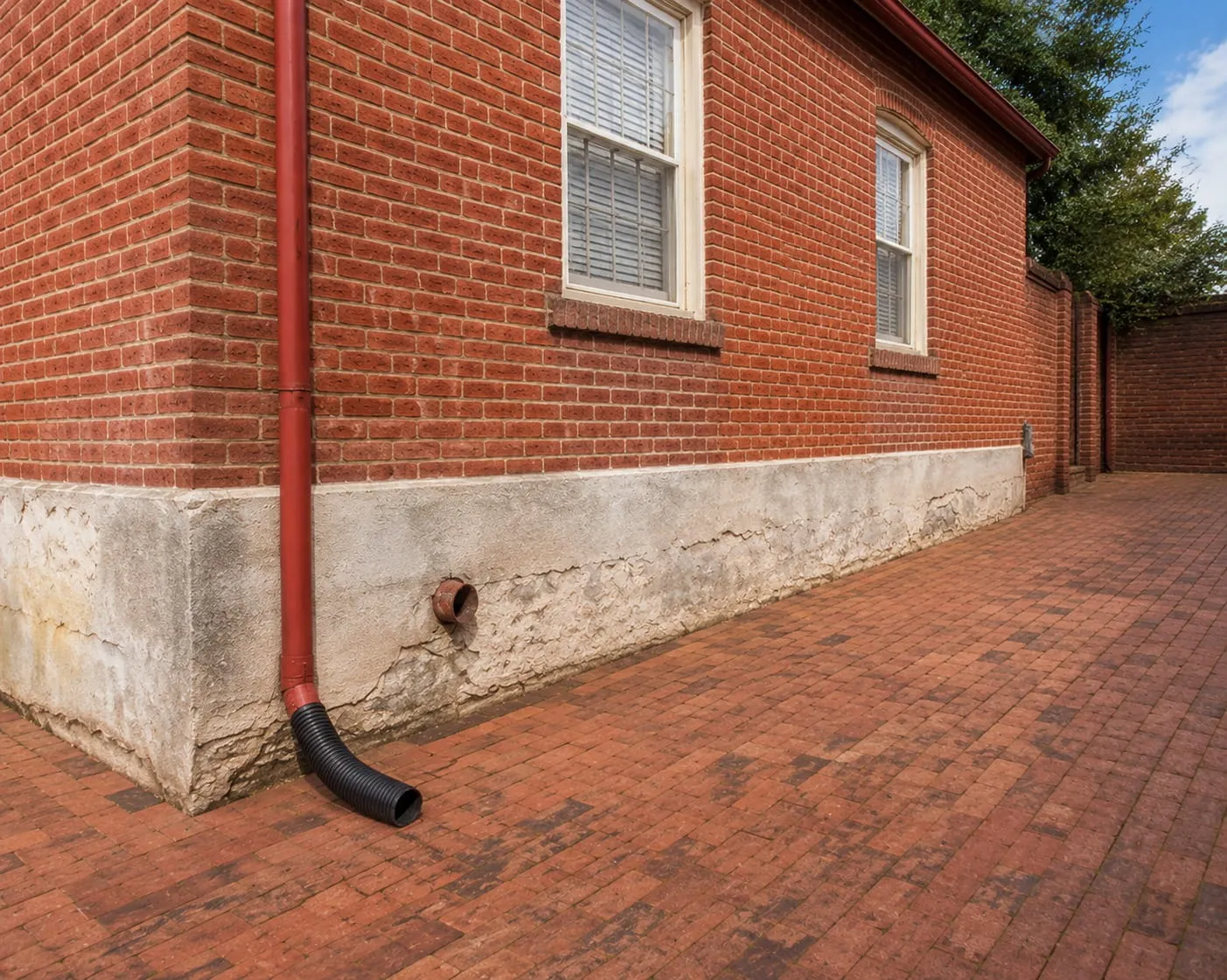
Many DC rowhouses fall under HPRB guidelines, meaning tuckpointing must meet specific preservation standards to maintain approval and avoid costly compliance issues later.
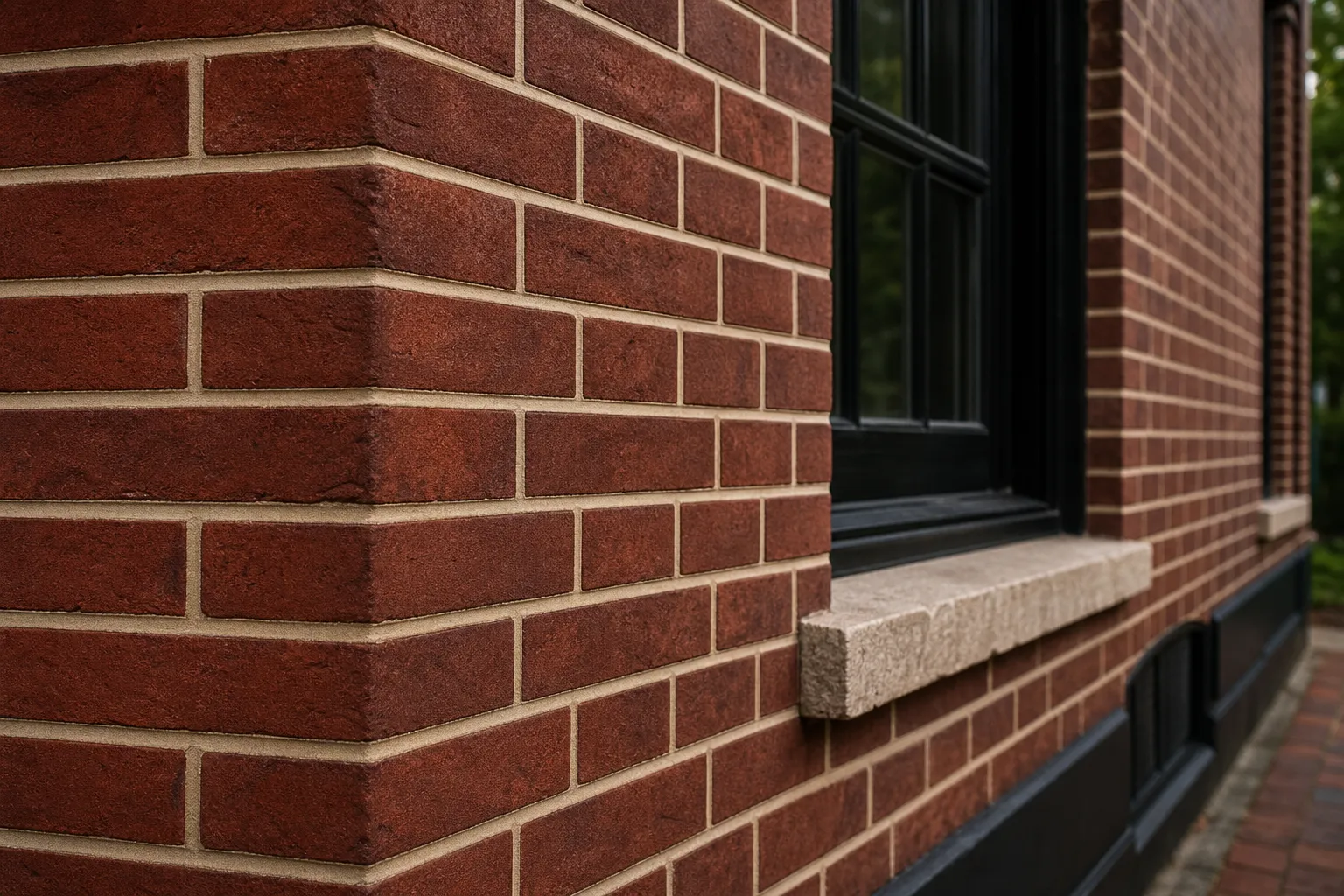
Correct joint width, color, and technique are essential to preserving a rowhouse’s original appearance, ensuring tuckpointing enhances rather than diminishes its historic value.
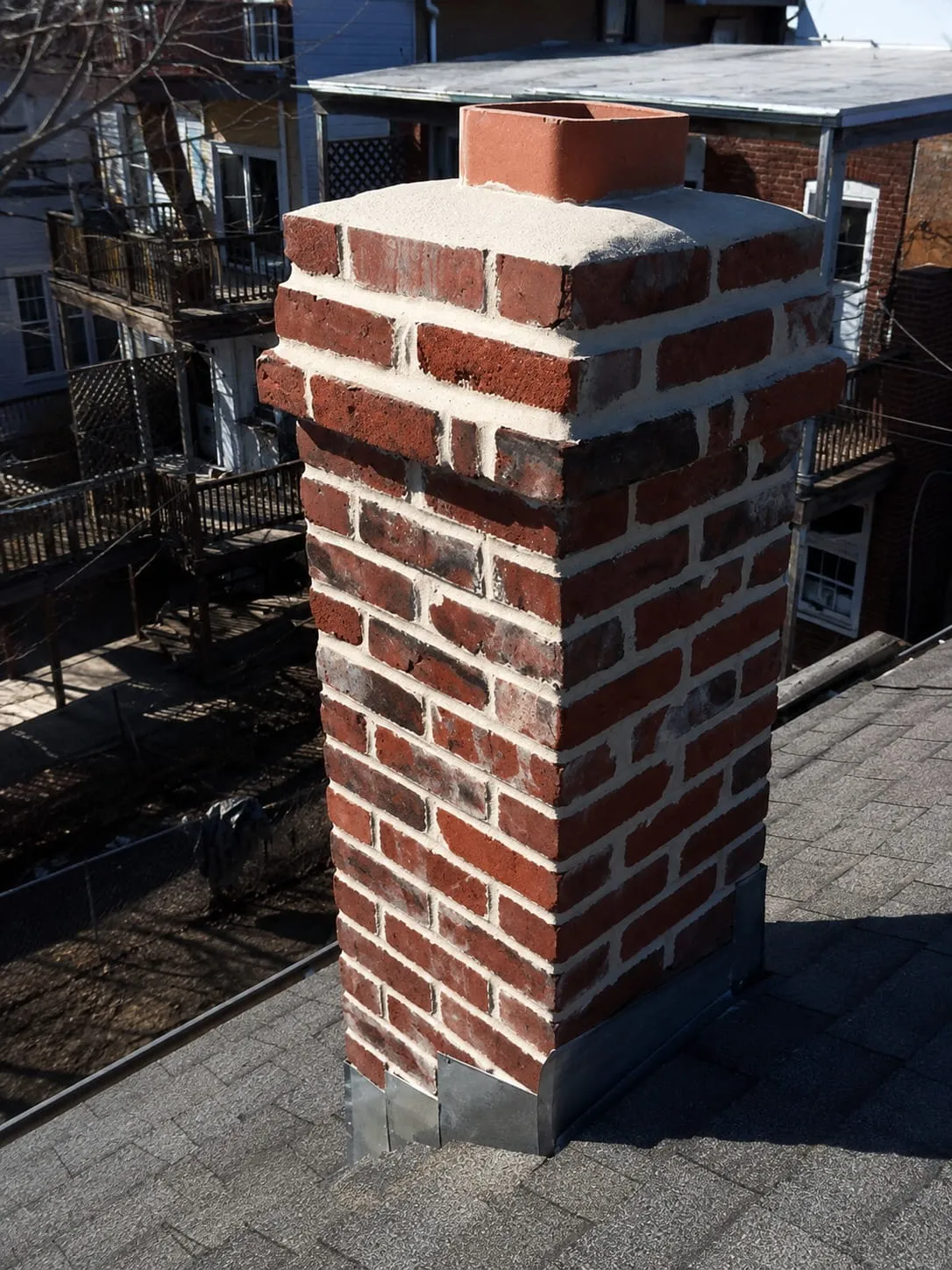
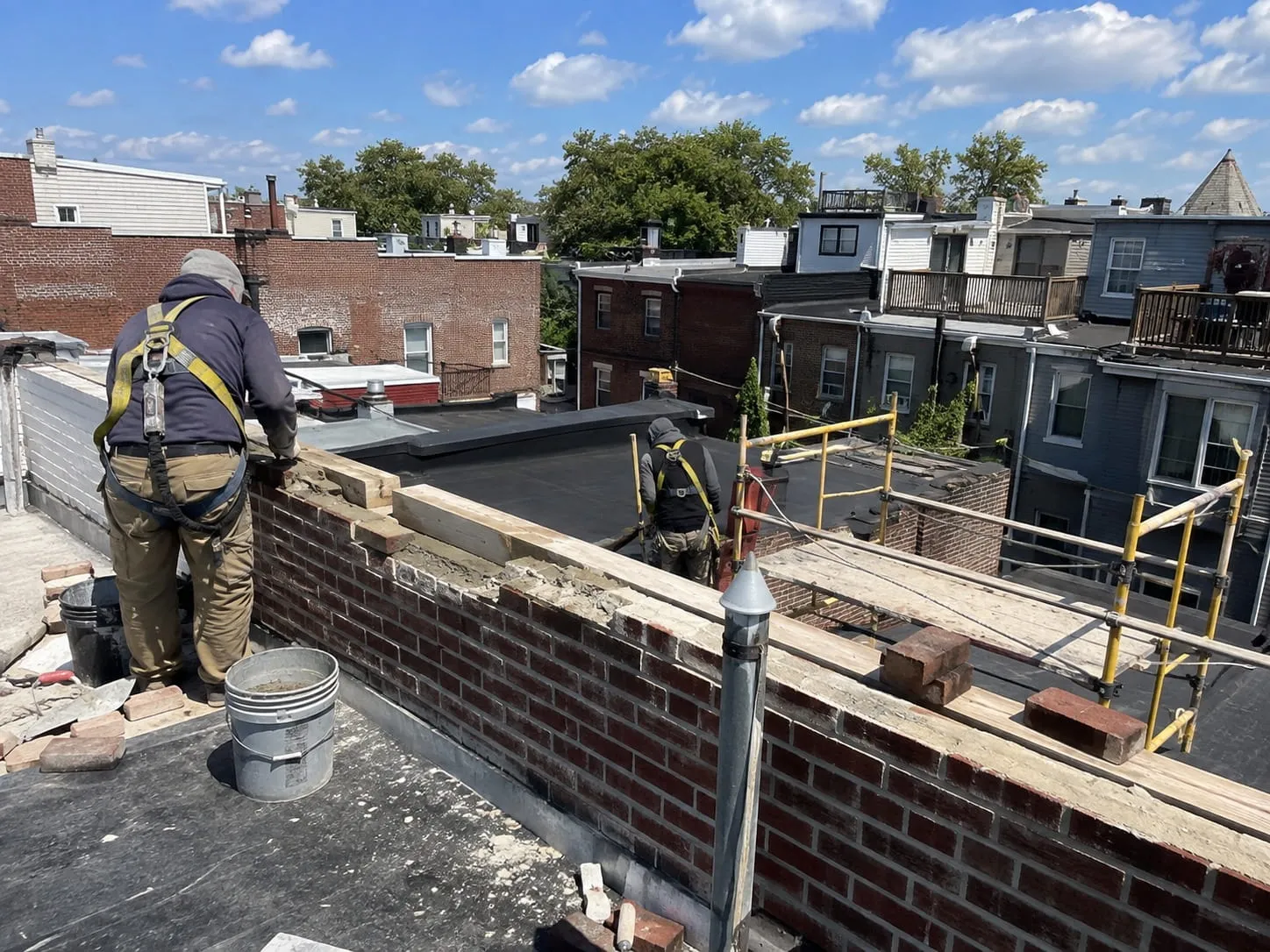
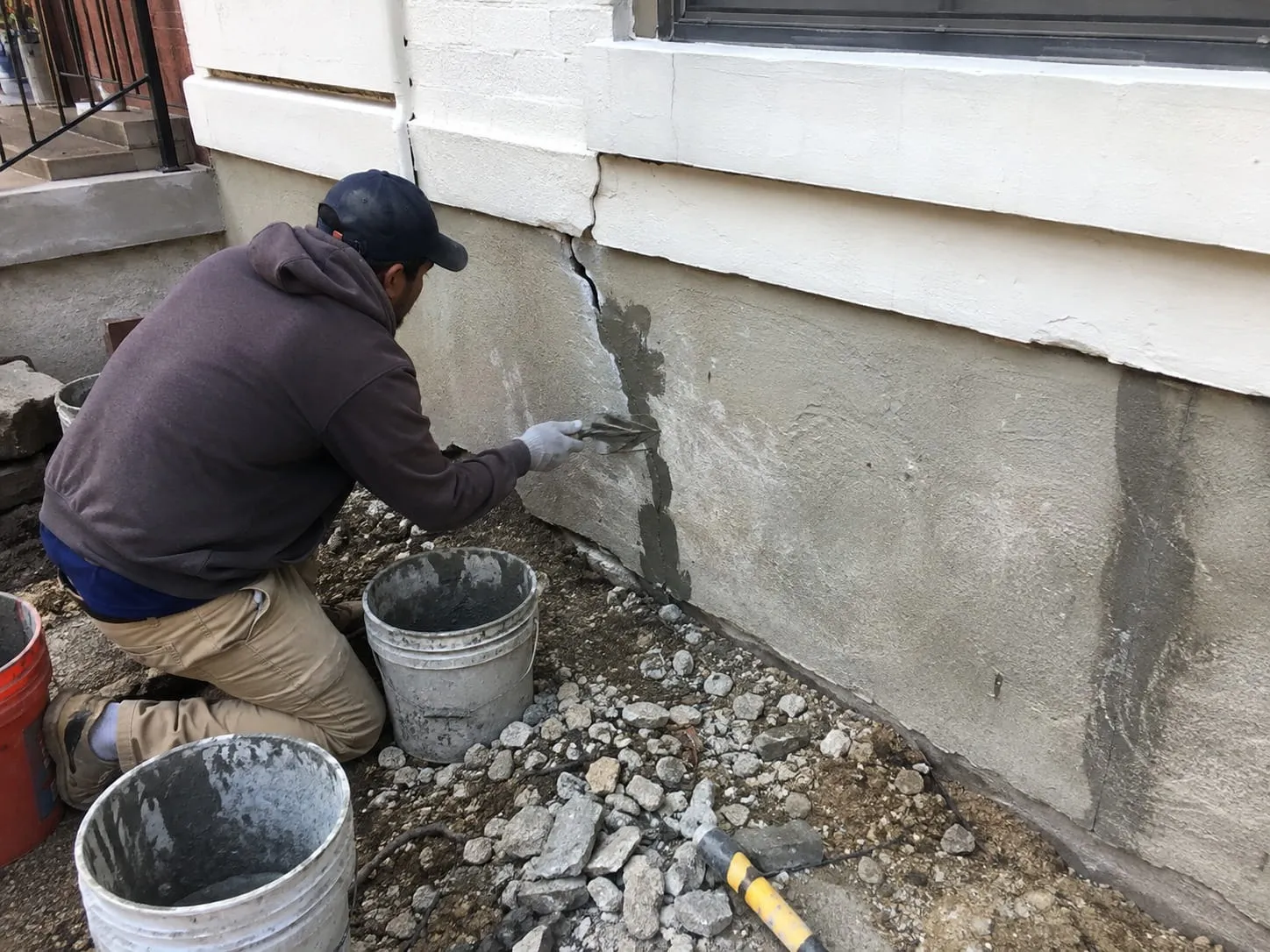
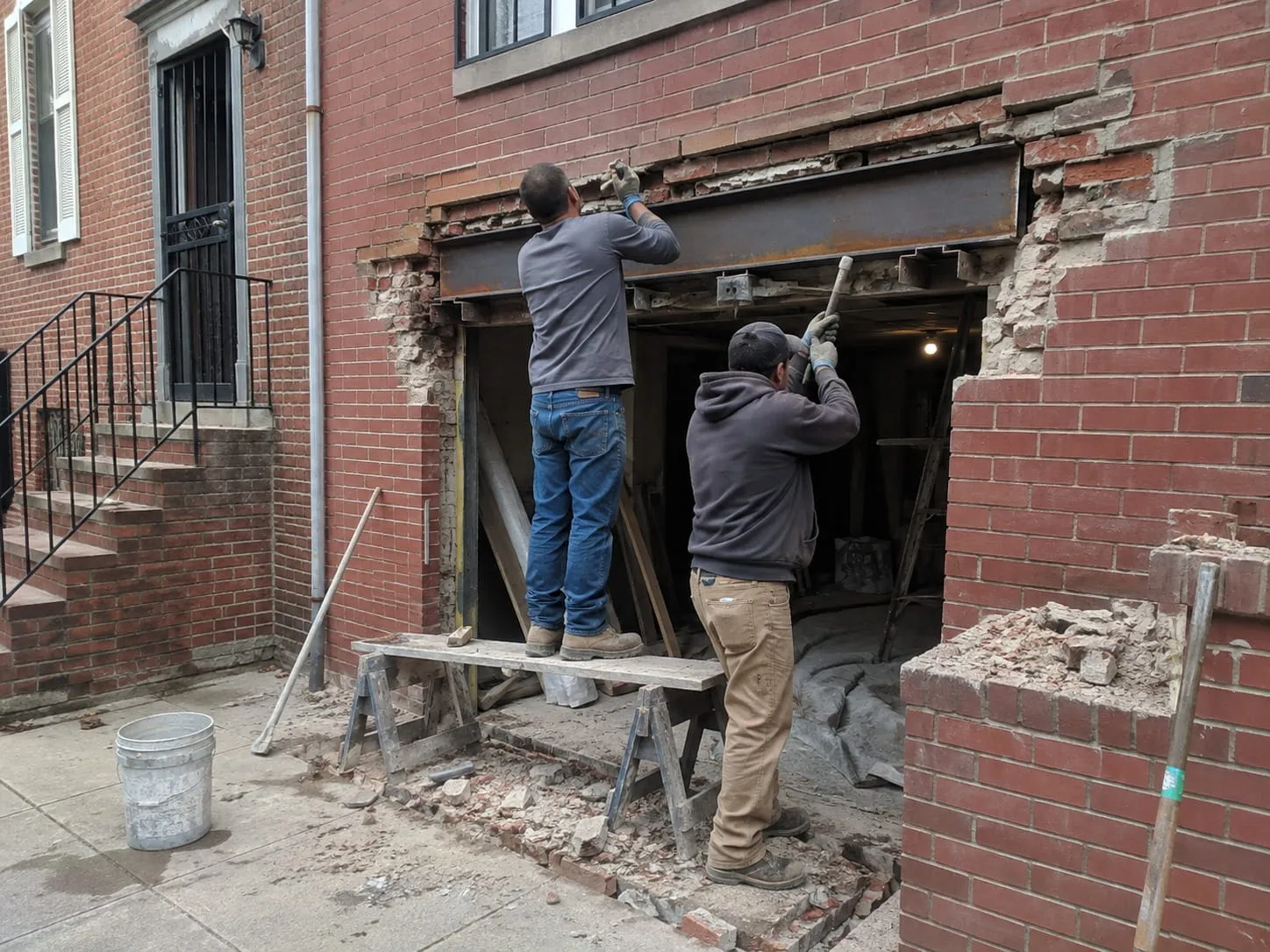
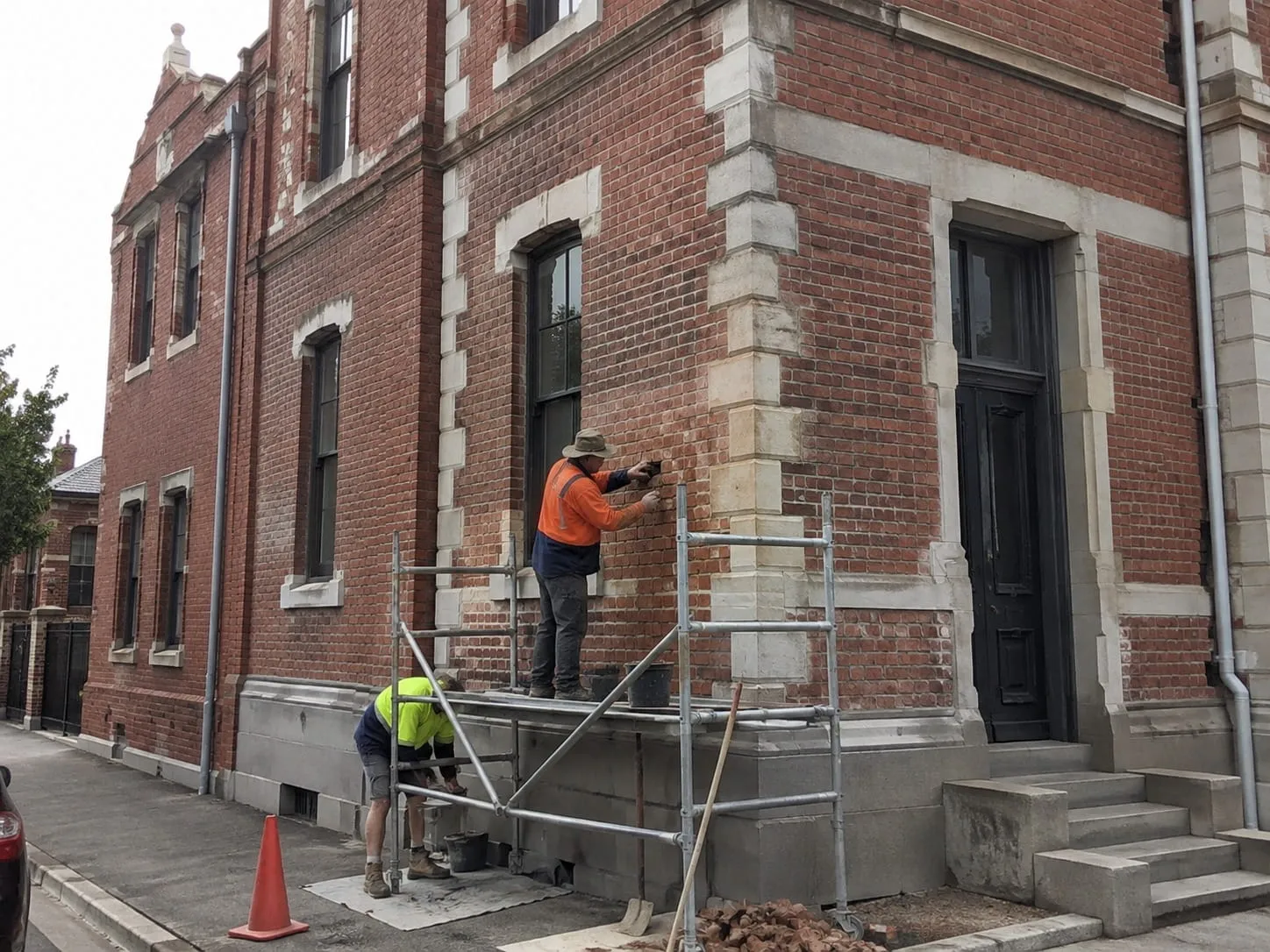
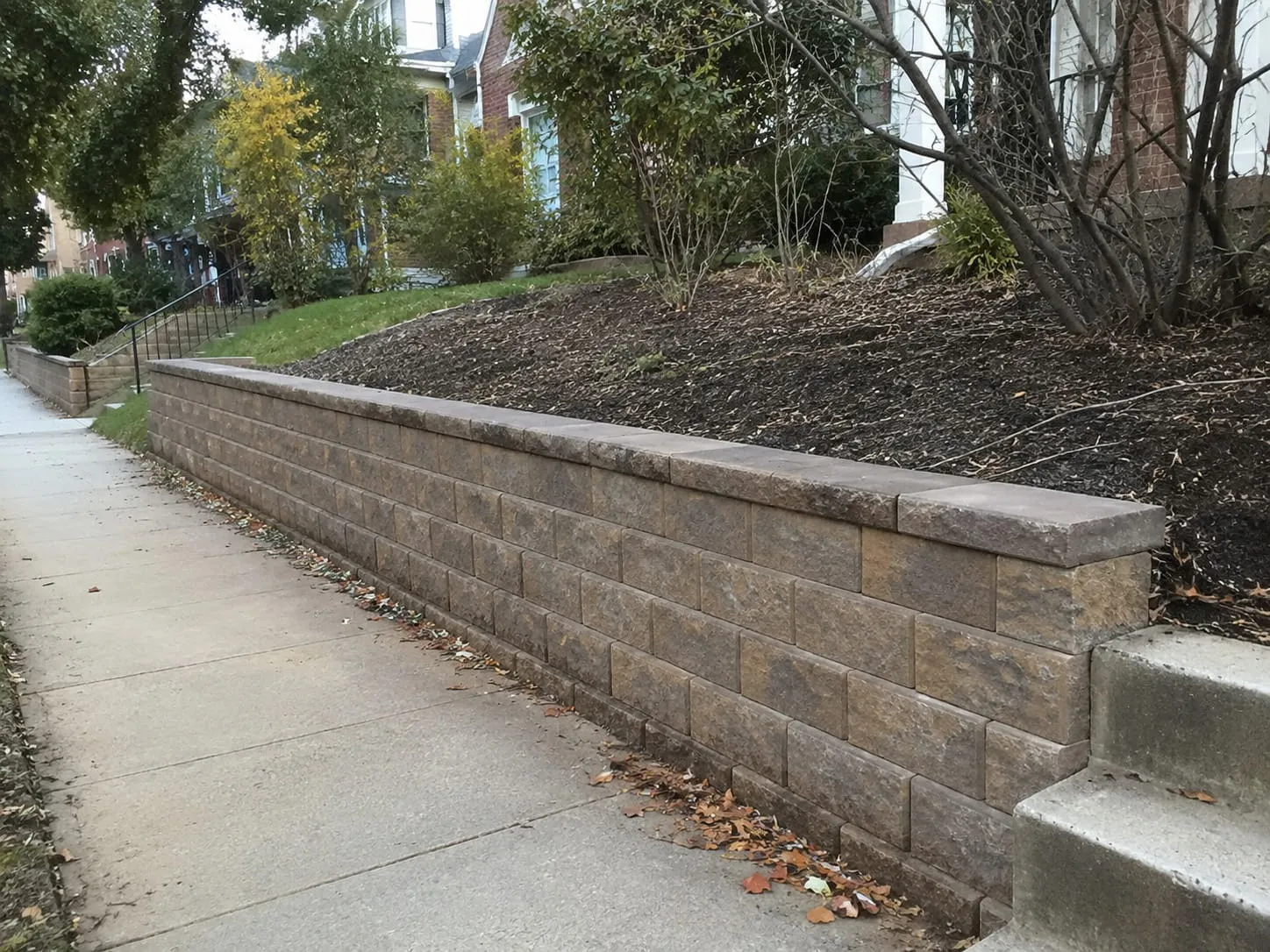
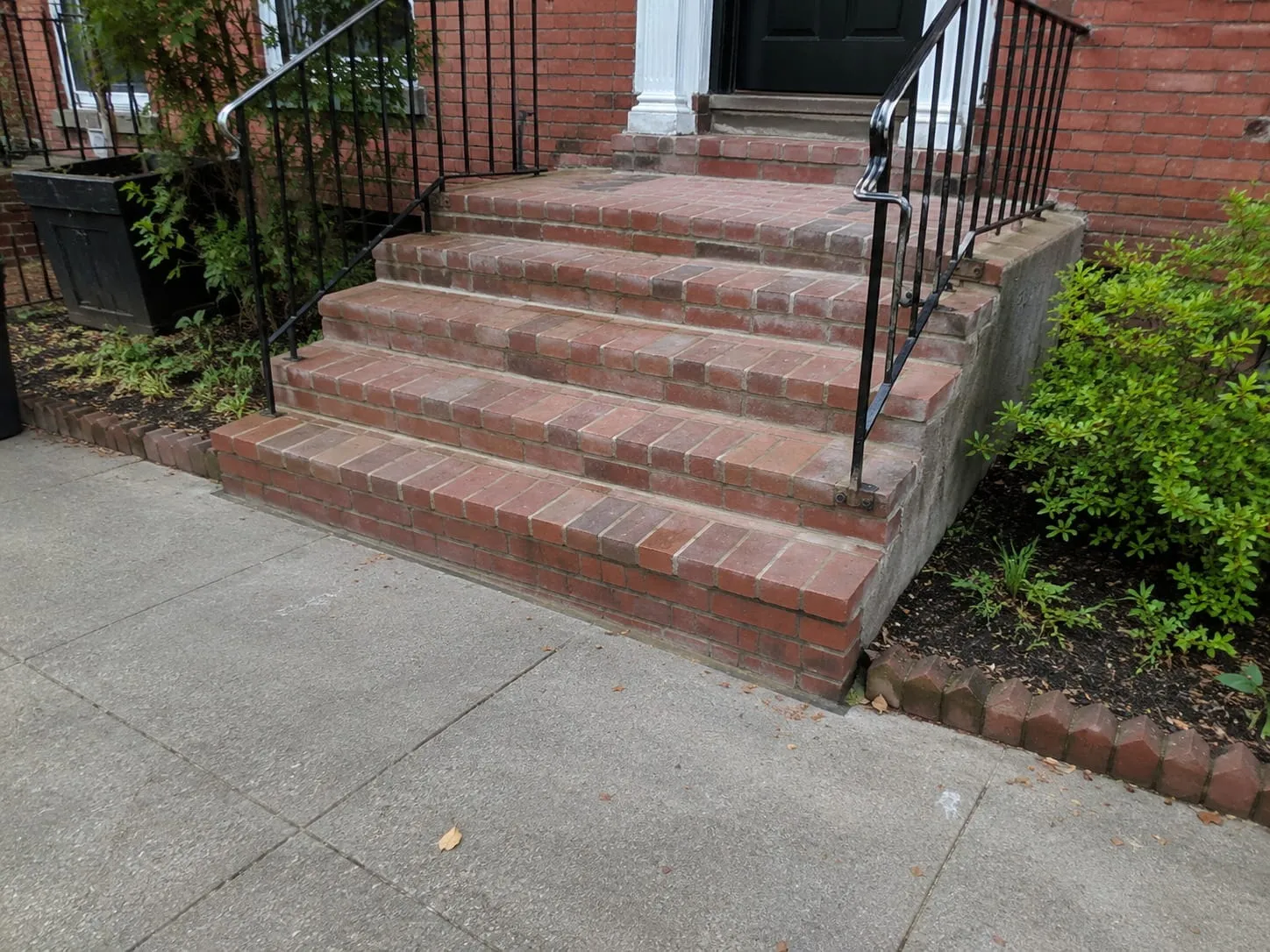
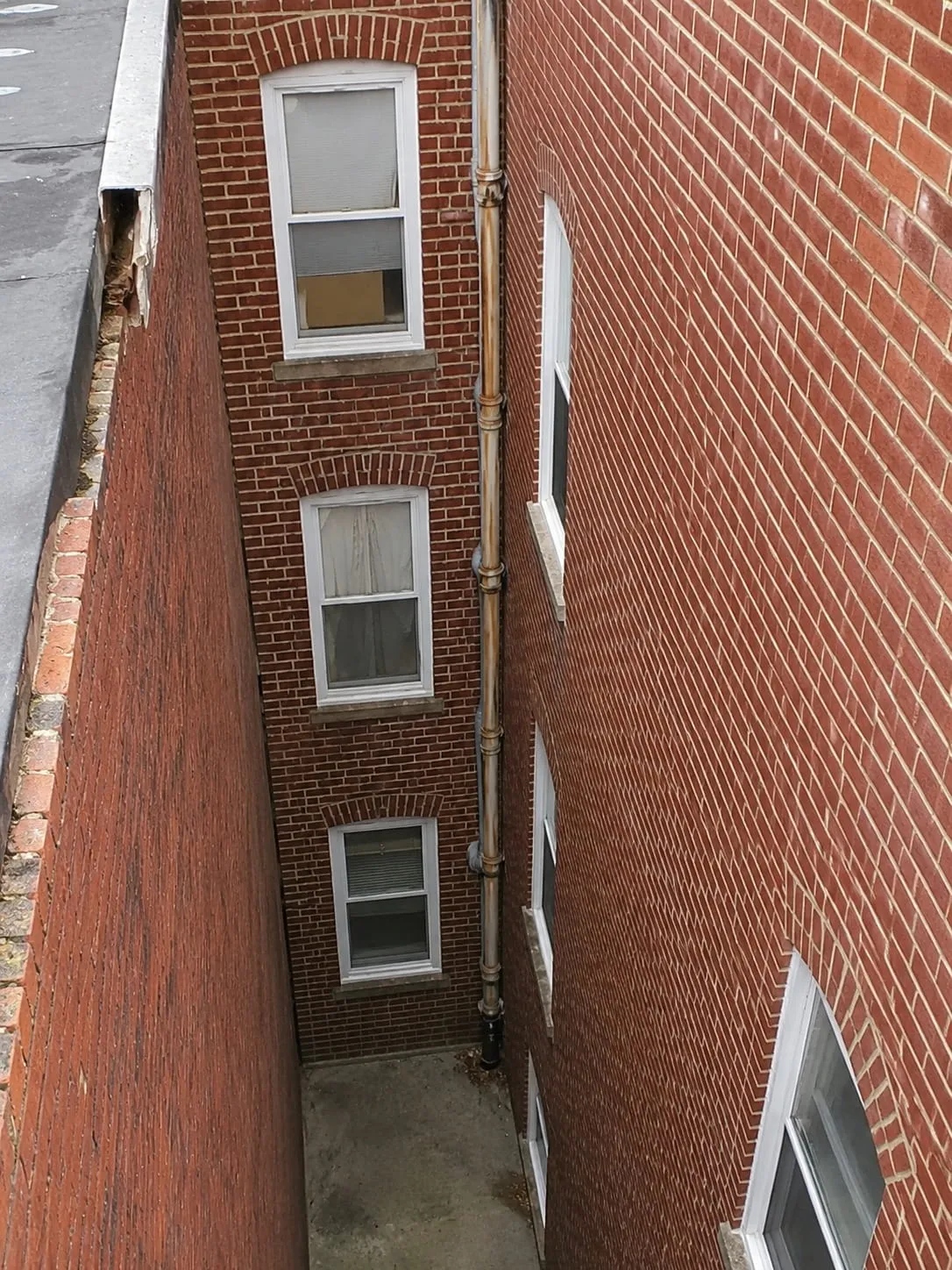
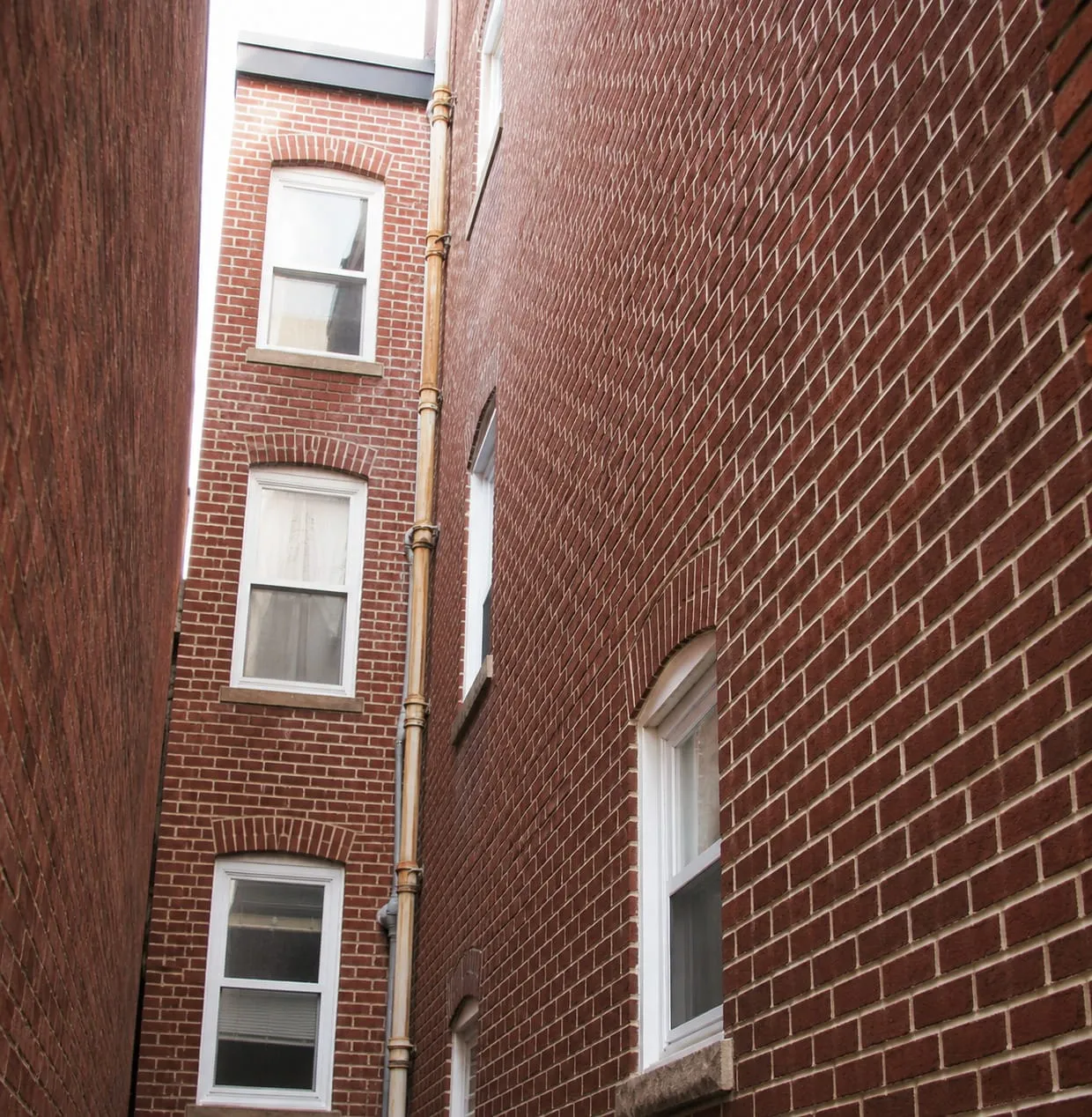
Tuck pointing is a detailed, decorative technique requiring precision most general contractors don't practice regularly. Our masons have specific experience creating the fine raised lines characteristic of quality tuck pointing work.
Many DC properties requiring tuck pointing are in historic districts with specific preservation guidelines. We understand these requirements and ensure our work maintains the architectural integrity your property and neighborhood association expect.
We use mortar and lime putty formulated to withstand DC's humidity and winter freezing, ensuring your tuck pointing holds its fine detail and doesn't crack or deteriorate prematurely under seasonal stress.
All tuck pointing work is performed by licensed, insured professionals familiar with DC code and historic district requirements, giving you confidence the work is both compliant and professionally executed.
We provide clear quotes explaining the scope and cost of tuck pointing work, including any additional preparation needed. You'll understand exactly what's involved before committing to the project.
Our masons have practiced tuck pointing across DC's historic buildings for years, developing the steady hand and attention to detail this specialized technique genuinely requires for a quality finished result.
Tuck pointing is a decorative and restorative masonry technique where two contrasting mortar colors are used—one to match the brickwork and a thin line of a lighter color to mimic fine joints. Regular repointing simply replaces deteriorated mortar with matching mortar for structural repair. Tuck pointing enhances both strength and aesthetic appeal, often used on historic or high-end buildings.
With professional application and proper maintenance, tuck pointing can last 20 to 30 years or more. The high-quality mortar used is designed to withstand weather extremes and prevent water infiltration, preserving your masonry’s integrity over the long term. Regular inspections help extend its lifespan even further.
Yes! Well-executed tuck pointing restores your masonry’s clean, crisp appearance, which boosts curb appeal and preserves historic charm. It also prevents water damage and structural decay, protecting your investment. Whether you’re selling or just want to maintain your property, tuck pointing is a smart upgrade.
Tuck pointing works best on traditional brick and stone masonry where the joints are visible and part of the aesthetic. It’s especially popular on historic buildings and homes that benefit from the decorative appearance of fine mortar lines. Our experts will evaluate your brickwork and recommend the best approach for your specific needs.
A typical tuckpointing project usually takes 2 to 5 days, depending on the size and condition of the brickwork. Smaller repairs can be completed in a day or two, while larger or more intricate jobs may require more time. Here’s what to expect during a tuckpointing project:
Professional tuckpointing restores both the strength and beauty of your brickwork efficiently and with minimal disruption.
Talk to a local DC masonry expert about your project — no pressure, no obligation.