Restored red brick wall above a repaired parged foundation on a historic Washington DC building
Historic Brick Specialists

DC Historic Brick Restoration

Historic Brick Specialists

Historic Brickworks in DC

Washington DC is home to some of the country’s most architecturally significant brick buildings, from historic rowhouses to landmark commercial structures. Restoring this masonry requires more than general repair work — it demands a deep understanding of period-appropriate materials, traditional techniques, and the specific challenges older brick presents. We repoint with matched lime mortar rather than hard modern cement, source replacement brick that blends seamlessly with the original, and apply restoration methods suited to how historic masonry actually performs over time.

Our team manages HPRB approvals and historic district requirements directly, so homeowners can restore their property’s architectural integrity without navigating compliance alone. Whether addressing spalling brick, failing mortar, or structural movement, our approach preserves the craftsmanship and character that make DC’s historic buildings so distinctive — restoring them to last for generations to come.

No Obligation

Get a Free Quote

Tell us about your project and we'll get back to you fast.

Service Needed
  • Brickworks
  • Driveways
  • Walkways
  • Fireplace
  • Chimney
  • Patio
  • Stucco
  • Retaining Walls
  • Kitchen
  • Others
Timeline
  • In 48 hours (it's urgent)
  • In a few weeks
  • In a few months
  • Planning and budgeting

For urgent masonry or brick repair questions, call 202 849 7762 after sending your details.

No spam. Your info is used only to respond to this estimate request.

Service Details

Our Historic Restoration Services

Lime Mortar Repointing

We repoint historic masonry with breathable lime-based mortar mixed and tinted to match your home's original formula, restoring structural integrity without trapping moisture behind the wall or damaging century-old brick faces.

Historic Brick Matching & Replacement

When brick is too spalled or cracked to save, we source or hand-cut replacements that match the size, color, and texture of the original, so repairs blend into your facade instead of standing out.

HPRB Permit Guidance & Compliant Repairs

We prepare the documentation and drawings the DC Historic Preservation Review Board requires for exterior masonry work, and we use approved materials and methods so your project gets approved and stays on schedule.

Cornice & Decorative Detail Restoration

Decorative cornices, corbels, and brick detailing give historic homes their character. We restore and rebuild these features by hand, preserving the ornamental brickwork that mass-produced modern materials simply can't replicate.

Historic Foundation & Garden Wall Restoration

Stone and brick foundations, retaining walls, and garden walls settle and shift over decades. We rebuild and stabilize them using period-appropriate materials and techniques that keep your property's original look intact.

Full Facade Restoration

For homes needing comprehensive work, we handle full facade restoration from foundation to roofline—repointing, brick replacement, and detail work—coordinated as one project so your historic home is restored inside HPRB guidelines, start to finish.

Preservation

Why Historic Bricks Need Restoration

Soft handmade brick wears faster

Nineteenth-century DC brick was fired at lower temperatures, leaving a soft, porous body beneath a harder outer skin. Once that fired skin erodes or is sandblasted away, the brick drinks up water and deteriorates far faster than modern masonry.

Hard cement mortar destroys old brick

Decades of repairs using modern portland cement mortar trap moisture inside soft historic brick, forcing it to spall and crumble at the face. Restoration replaces those joints with lime mortar so the wall can breathe and shed water again.

Freeze-thaw cycles compound the damage

Washington winters swing repeatedly above and below freezing. Water held inside porous historic brick expands with every cycle, popping faces off and widening joints, so small patches of decay spread across an entire facade within a few seasons.

Original detail cannot be replaced

Cornices, water tables, corbels, and decorative bond patterns were shaped by hand and cannot be bought off a shelf today. Restoration preserves them, while neglect eventually forces generic replacements that flatten the character of an entire block.

Historic district rules require it

Properties under HPRB review must be repaired with matching materials and traditional methods rather than modern shortcuts. Proper restoration keeps you compliant, protects approvals for future work, and avoids costly orders to tear out and redo improper repairs.

Structure and value depend on it

In an unreinforced masonry rowhouse, the brick and mortar carry the load rather than a hidden frame. Restoration protects both that structure and the resale premium buyers pay for original, well-maintained facades throughout historic DC neighborhoods.

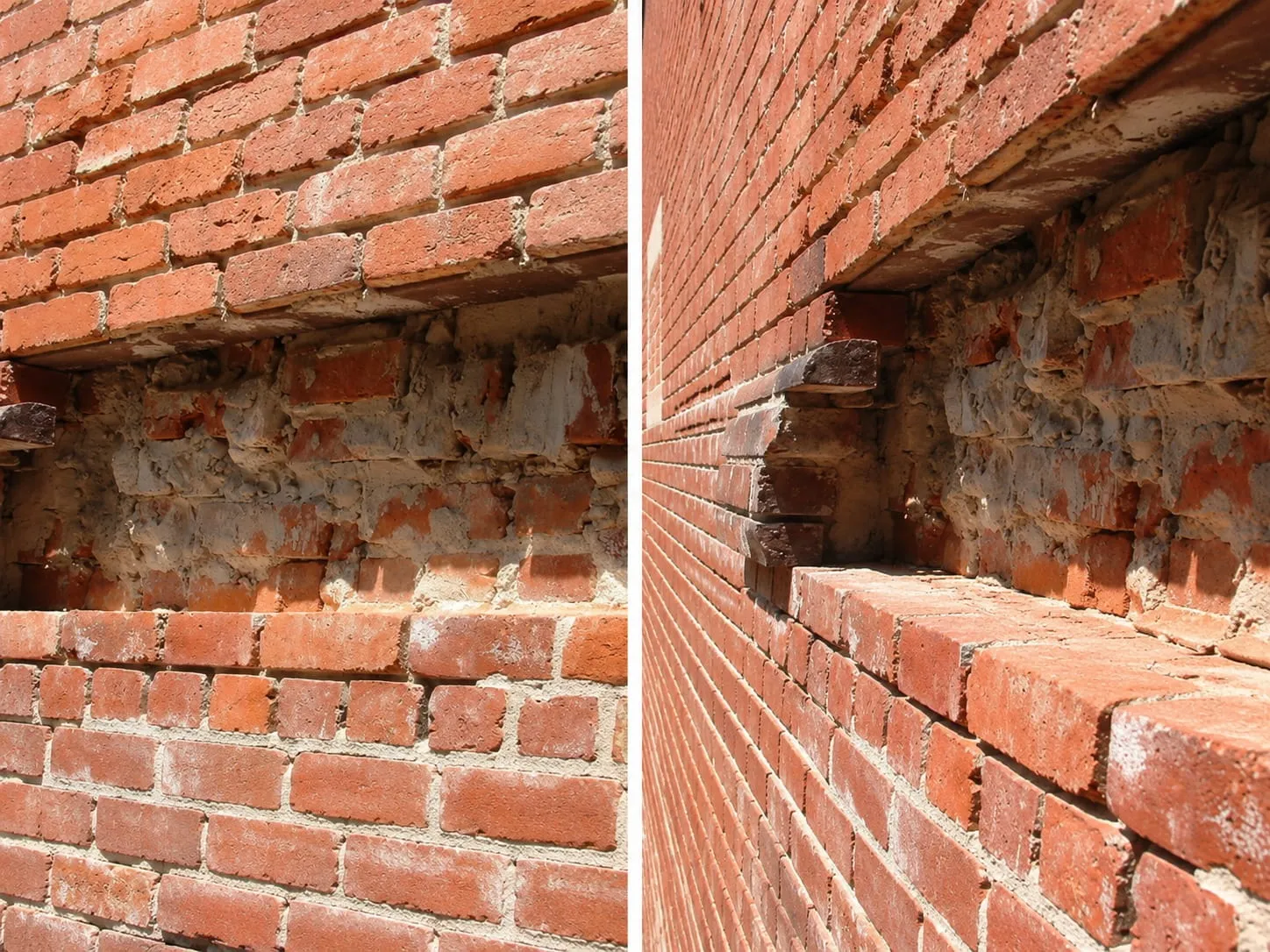
Close-up of a historic brick wall with deteriorated mortar raked out beside rebuilt corbelled coursing
Know the Difference

Brick Repair vs. Brick Restoration

Brick repair and brick restoration solve different problems. Repair addresses immediate, localized damage — a cracked brick, a failing lintel, a section of loose mortar — restoring function without necessarily preserving historic character. Restoration takes a more comprehensive approach, focused on returning masonry to its original architectural integrity using period-appropriate materials, matched mortar, and historically accurate techniques. Where repair stops the problem, restoration honors the building’s craftsmanship and design intent, often required for historic district compliance. Knowing which approach a property needs — and when the two overlap — is essential to protecting both the structure and its long-term value.
Warning Signs

When A Historic Brick Restoration Service in DC is Proper

Crumbling or missing mortar

When mortar joints erode, crack, or fall out entirely, water gets a direct path into the wall. This is often the earliest and clearest sign that repointing or full restoration is overdue.

Spalling brick faces

If the surface of your brick is flaking, chipping, or peeling away, moisture has likely penetrated the masonry and is breaking it down from within. Spalling only worsens with time and exposure.

Efflorescence (white staining)

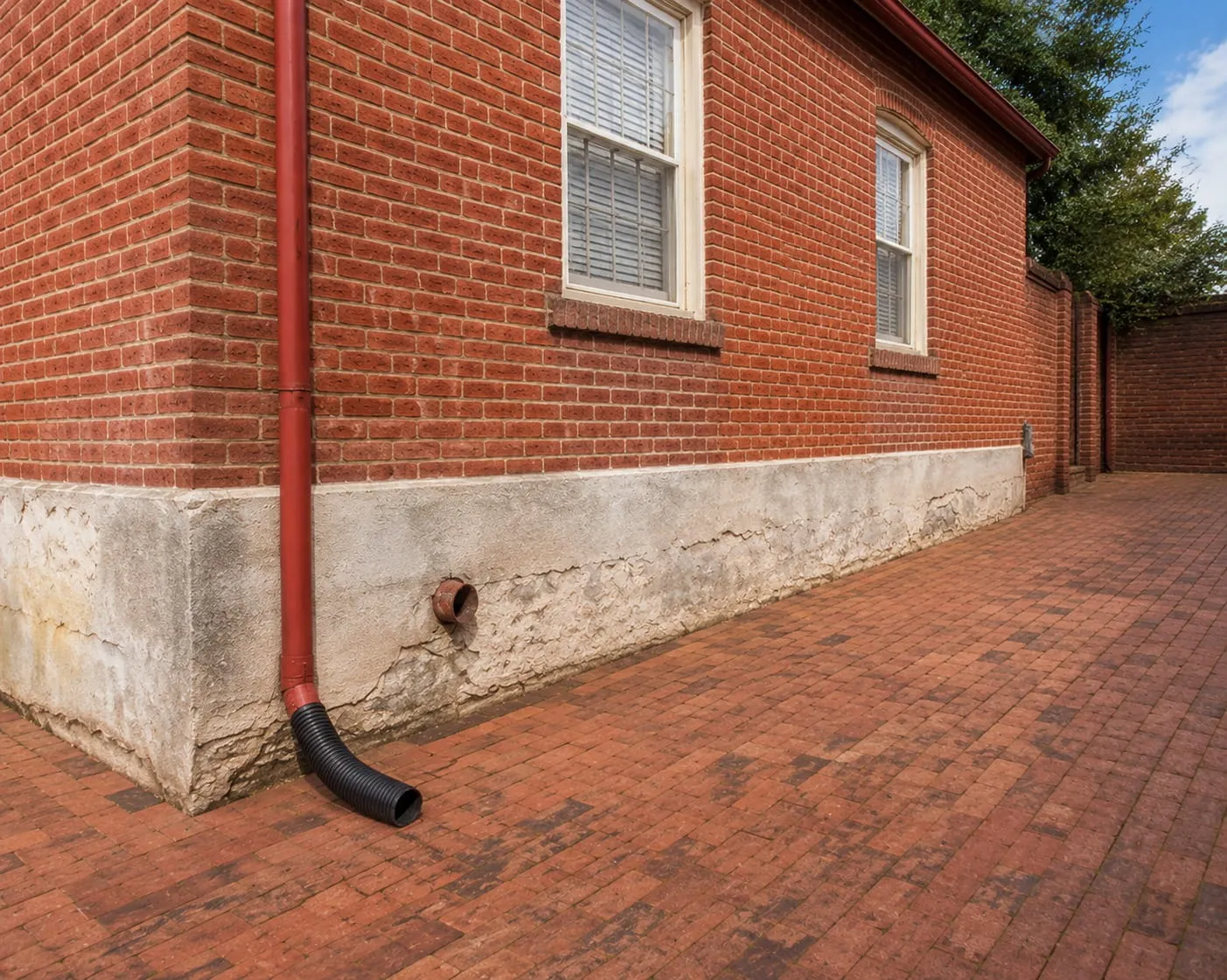
Chalky white deposits on brick surfaces indicate water is moving through the masonry and depositing salts as it evaporates. It’s a visible signal of a deeper moisture problem beneath the surface.

Cracks following the mortar line

Diagonal, stair-step cracks that follow mortar joints rather than cutting through brick often point to settling, structural movement, or foundation issues that restoration alone won’t fully resolve.

Bowing or leaning walls

A wall that’s visibly bulging or leaning outward signals a serious structural concern, often caused by water damage or coping failure. This requires immediate professional assessment, not just cosmetic repair.

Mismatched or incorrect past repairs

Modern cement patches, mismatched brick color, or hard mortar on a historic wall often cause more damage than they fix, trapping moisture and accelerating deterioration around the repair itself.

Why Choose Us

Why Choose Our Historic Brick Restoration Contractors in DC

Preservation-Grade Materials

We source brick and lime-based mortar appropriate for historic structures, avoiding modern cement mixes that can damage softer original brick. This preserves both the appearance and structural health of your historic property.

Historic District Compliance

DC's historic districts often have specific preservation guidelines governing restoration work. Our team understands these requirements and ensures your project meets local historic preservation standards without unnecessary delays.

Skilled Traditional Techniques

Restoring historic brickwork requires traditional masonry skills many modern contractors lack. Our masons are experienced with period-appropriate methods, ensuring restoration work respects the original craftsmanship of your building.

Fully Licensed and Insured

Historic restoration work is carried out by licensed, insured professionals experienced with DC's preservation requirements, giving you confidence the project is both compliant and properly protected.

Detailed, Honest Quoting

We provide transparent quotes explaining the restoration scope, materials, and any preservation approval considerations, so you understand the full project before committing to the work.

Extensive Historic Property Experience

Our team has restored brickwork across many of DC's historic rowhouses and landmark buildings, giving us genuine, hands-on expertise in preserving the city's architectural heritage properly.

FAQ

Frequently Asked Questions

Do I need HPRB approval to repoint or repair brick on my historic home?

If your home is in a DC historic district, most exterior masonry work—repointing, brick replacement, or facade repairs visible from the street—requires review and approval from the Historic Preservation Review Board before work begins. We prepare the required documentation and use HPRB-approved materials and methods, so your permit process moves smoothly.

How do you match new mortar to the original historic mortar?

We analyze your existing mortar's color, texture, and sand content, then hand-mix a lime-based repointing mortar that matches it closely. Unlike modern portland-cement mixes, lime mortar flexes with your brick and lets moisture escape, which protects historic masonry instead of trapping damage inside the wall.

How much does historic brick restoration cost?

Cost depends on the scope—a few feet of repointing costs far less than a full facade restoration—and on how much HPRB documentation the project requires. We provide a free, on-site consultation and a written quote so you know the full cost and timeline before any work begins.

Let's Talk

Get a Free Quote

Talk to a local DC masonry expert about your project — no pressure, no obligation.