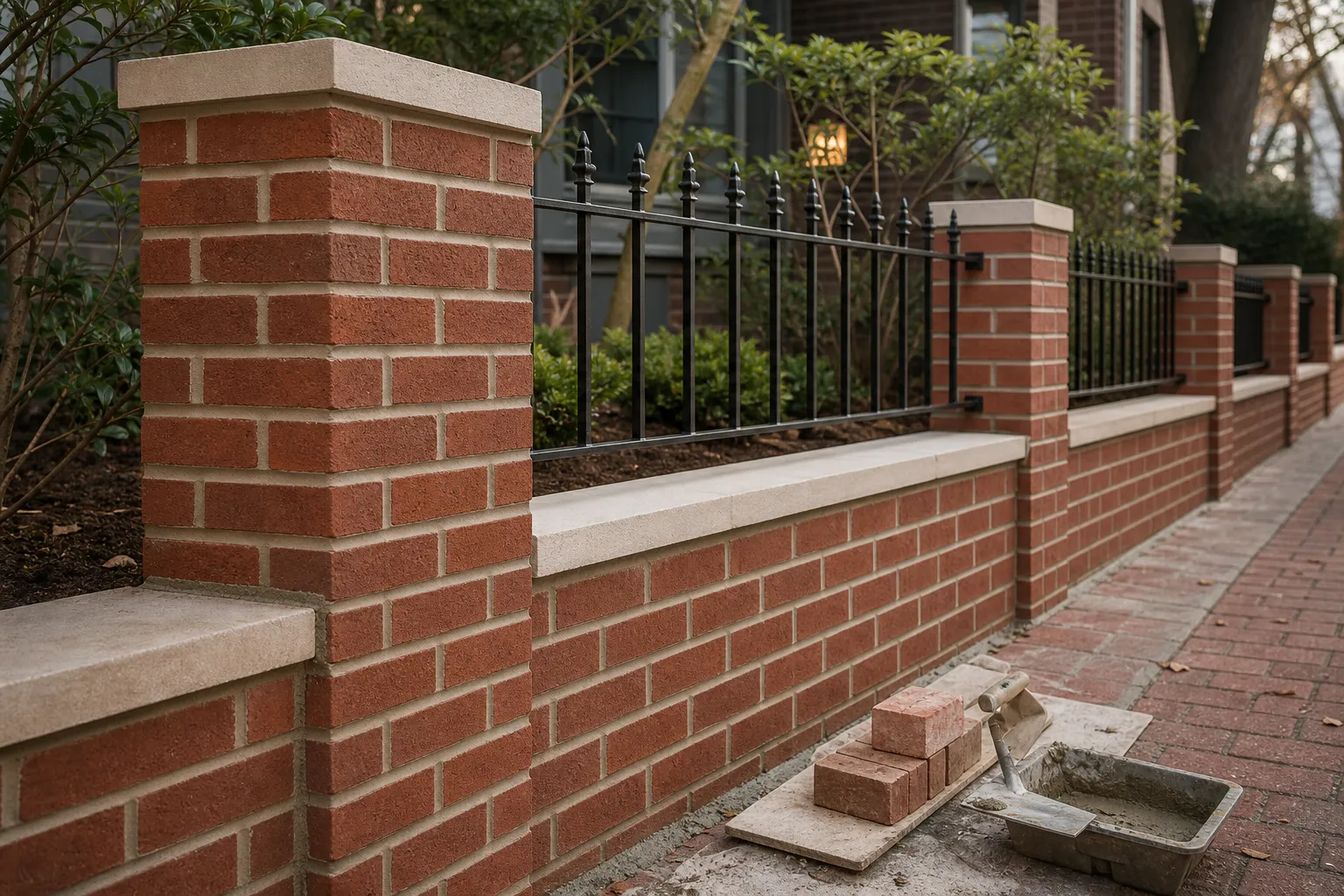
Brick Walls & Privacy Fences
We build durable, weather-resistant brick walls that add both privacy and curb appeal. Ideal for property lines, gardens, or custom enclosures.

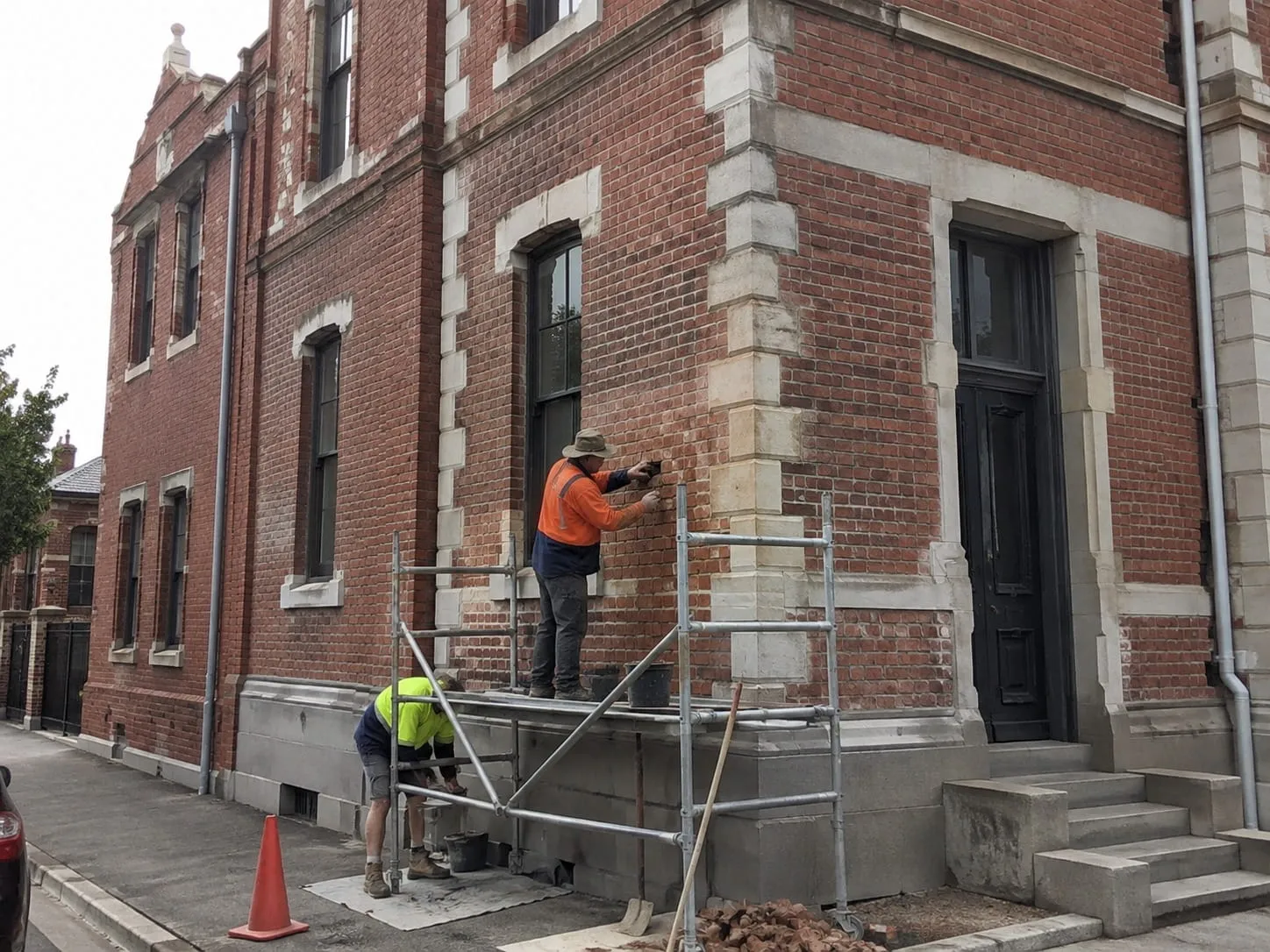
Are you thinking about adding new brick features to your property, but worried about poor workmanship or designs that won’t last? Whether you want a beautiful brick patio, a decorative wall, or a full exterior upgrade, brickwork requires skill and precision to stand the test of time. Without the right expertise, your project could face cracking, shifting, or water damage—leading to costly repairs later on.
We deliver expert brick works tailored to your vision and built with top-quality materials. From custom designs to flawless installations, our experienced masons bring craftsmanship and care to every project. We ensure your new brick structures are not only stunning but also structurally sound.
Ready to enhance your property with durable, elegant brickwork? Contact us today for a consultation and let’s build something great together.
We build durable, weather-resistant brick walls that add both privacy and curb appeal. Ideal for property lines, gardens, or custom enclosures.
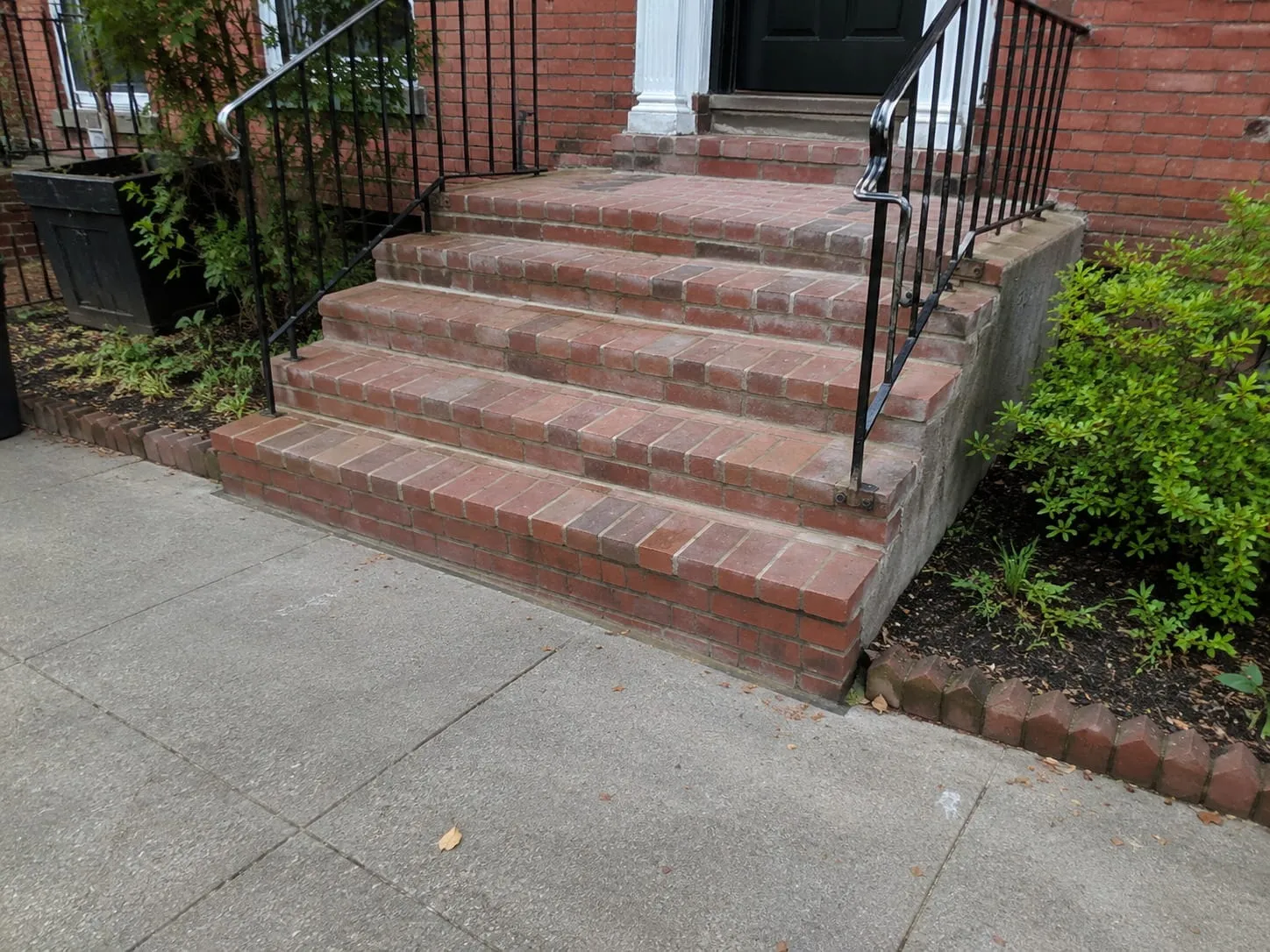
Upgrade your entrance with solid, slip-resistant brick steps built to last. We match the design to your home for a seamless look.
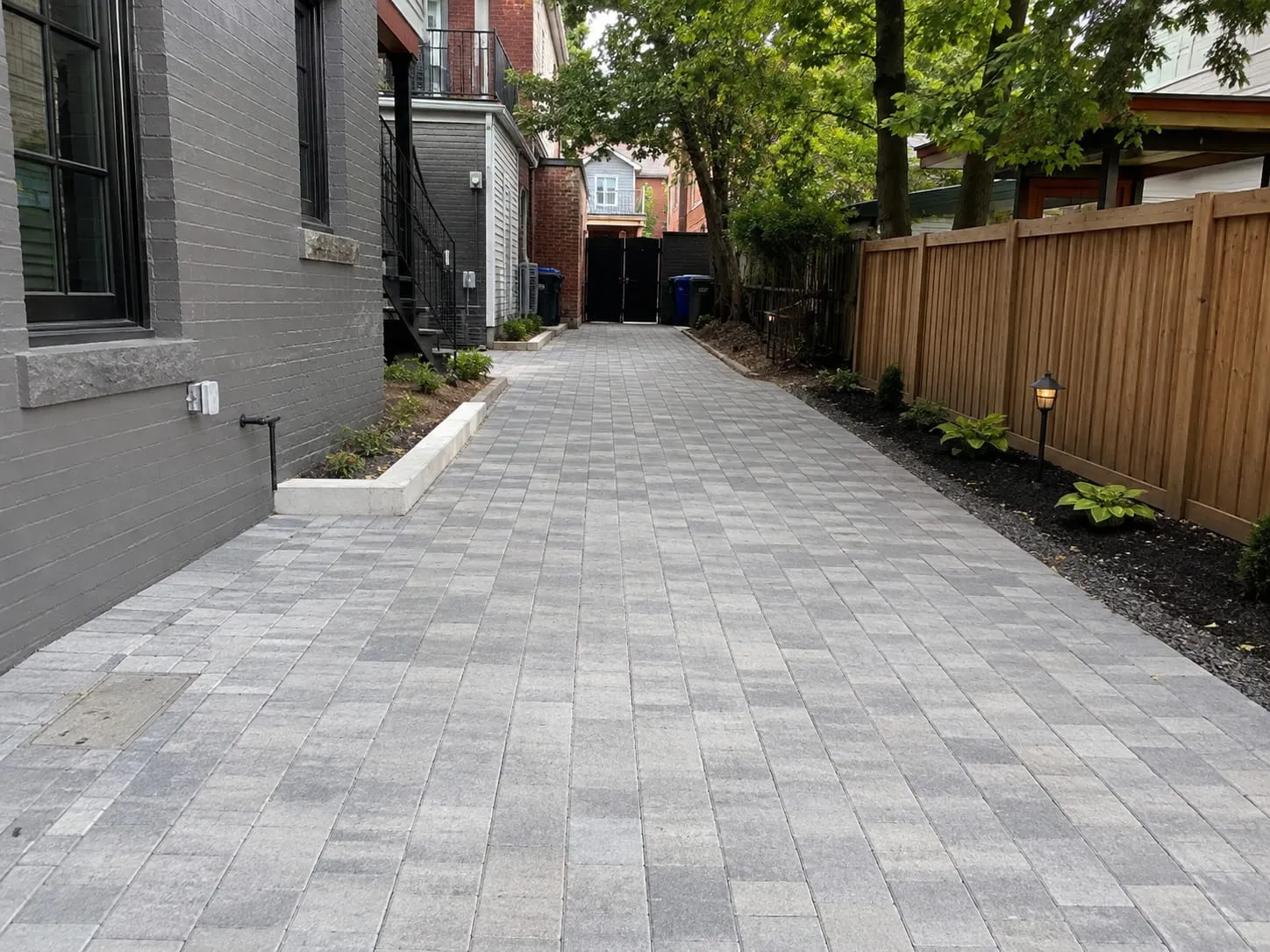
Enhance your outdoor living space with professionally laid brick patios and walkways. They’re built for style, comfort, and durability.
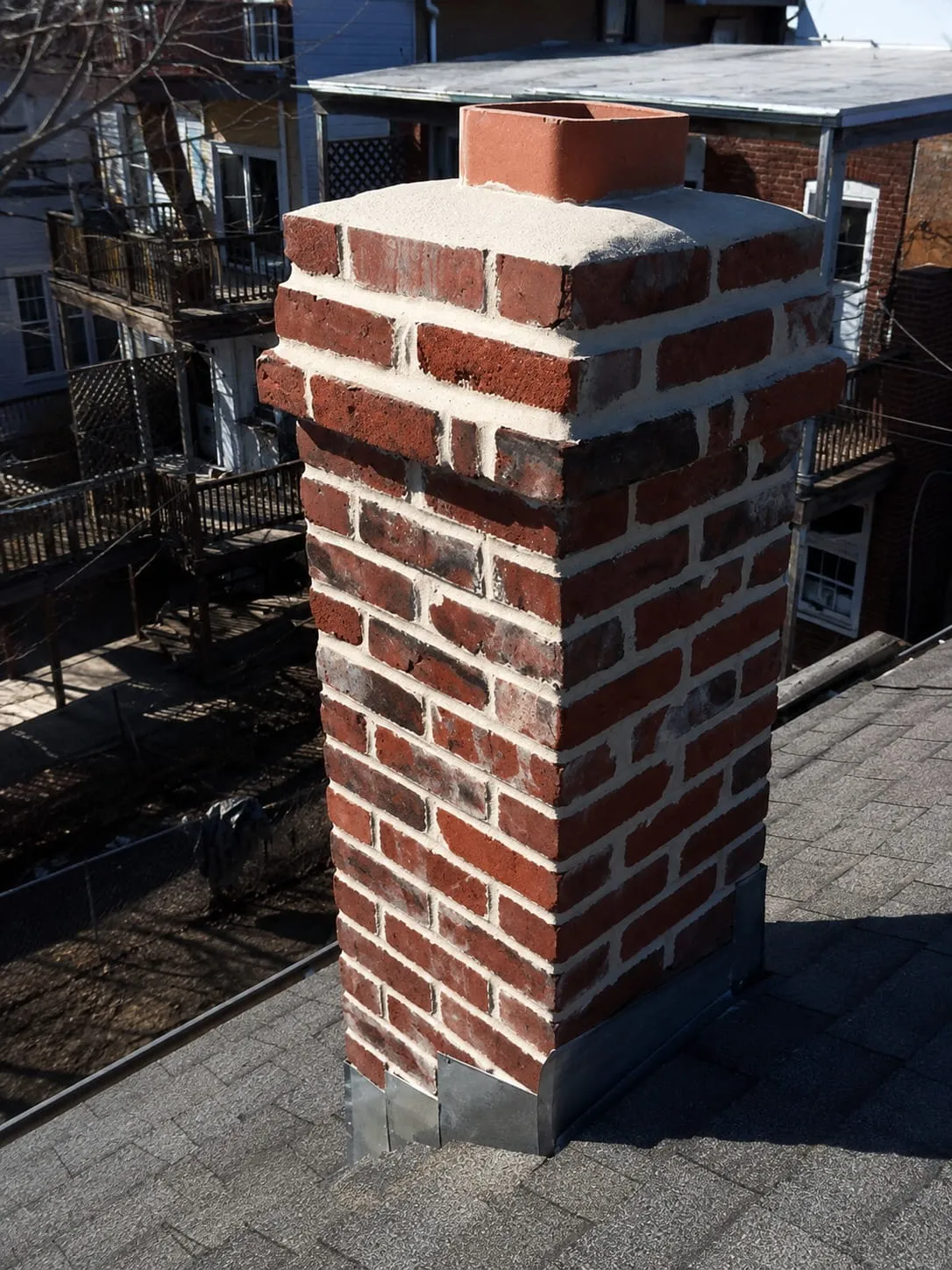
We handle full chimney builds and complete brick rebuilds with safety and code compliance in mind. Strong, functional, and built to withstand DC’s weather.
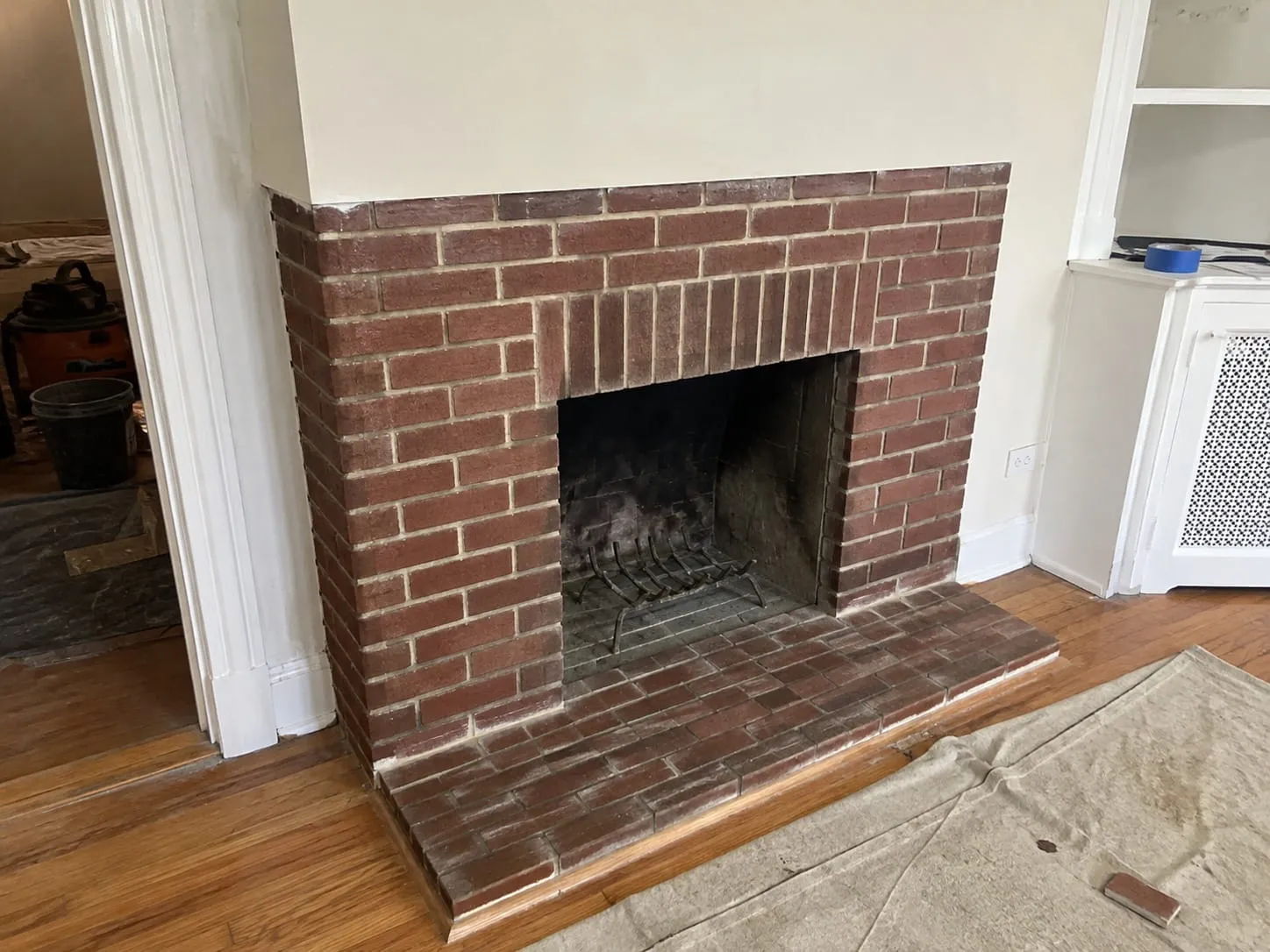
Add timeless character to your home with brick veneer installations for exteriors, feature walls, or fireplaces. It’s the perfect mix of style and strength.
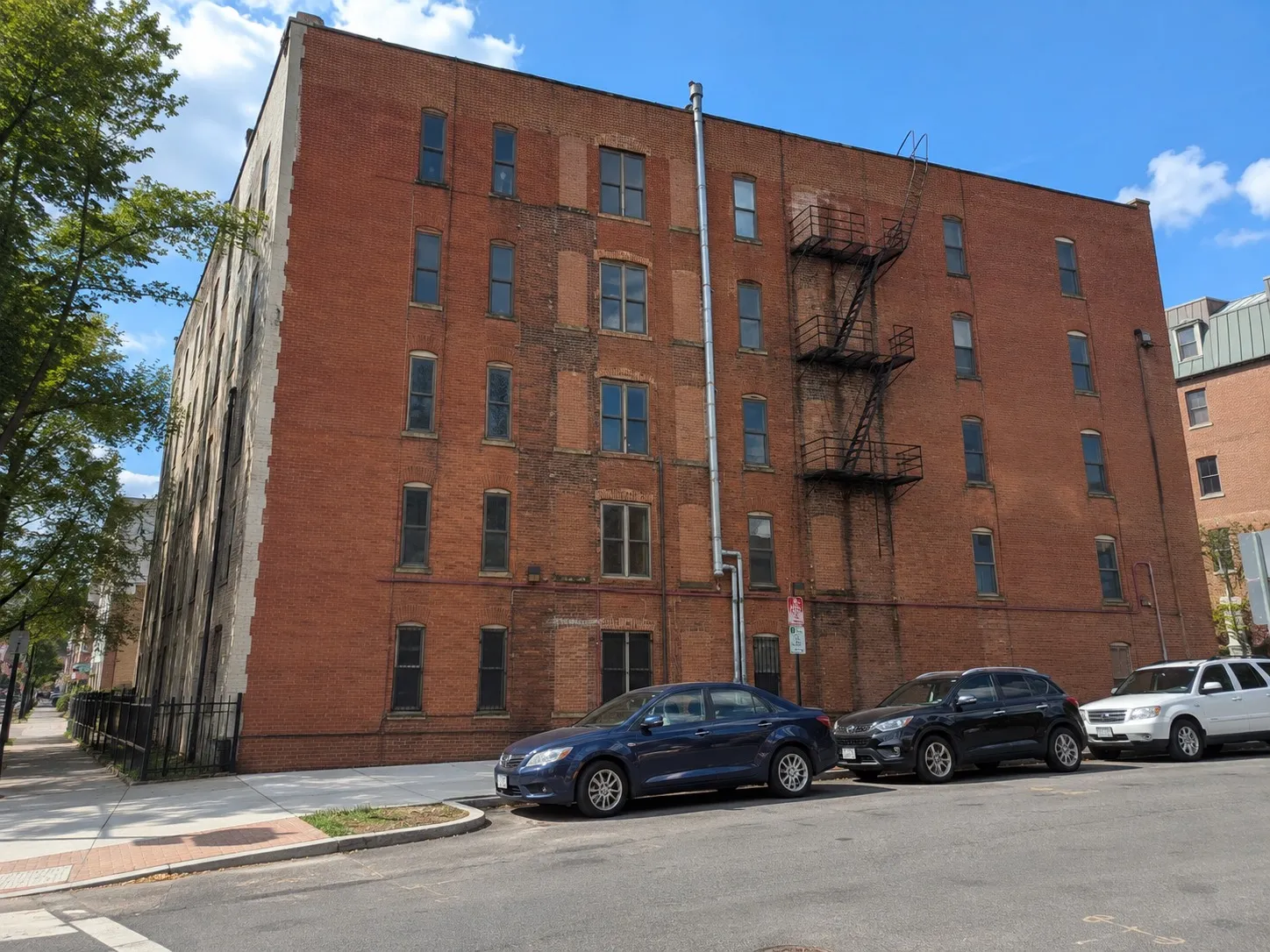
We provide full-scale bricklaying for commercial buildings, including retail storefronts, offices, schools, and warehouses. Our team delivers precise, code-compliant brickwork built to last.
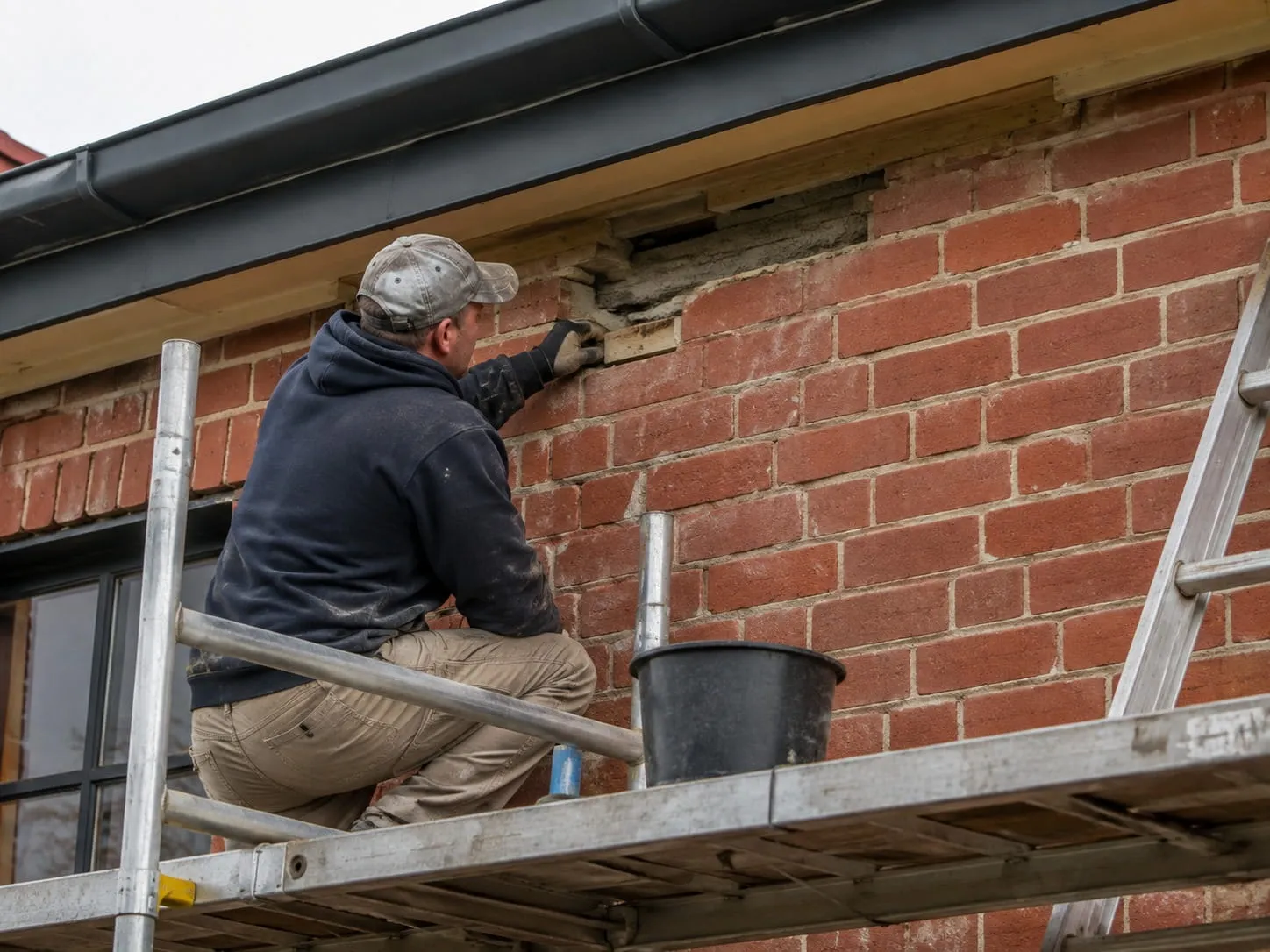
When it comes to brickwork, shortcuts and mistakes can cause headaches down the road. Uneven bricks, poor mortar, or inadequate foundations lead to cracking, moisture issues, and unsafe structures. Proper brickwork isn’t just about looks—it’s about durability and safety. Our skilled masons combine craftsmanship with local knowledge to ensure every brick is perfectly placed, delivering results that last for decades.
Each diagram below shows how the bricks are laid — stretchers run long-face out, headers show the short end. The bond you choose affects both the strength of the wall and how it reads from the street.
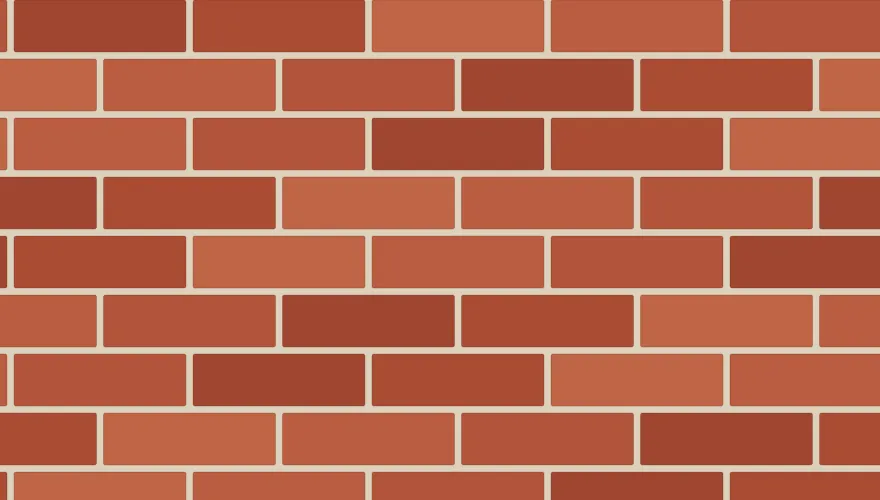
The most common pattern, with each row of bricks offset by half a brick from the row below, creating a simple, strong, and visually clean appearance.
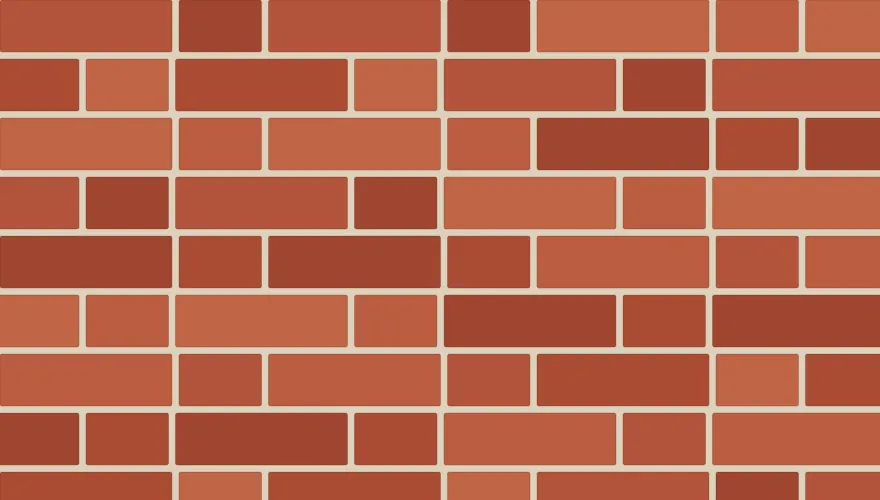
Alternates headers and stretchers within each row, creating a distinctive checkerboard pattern commonly found on historic DC facades and colonial-era architecture.
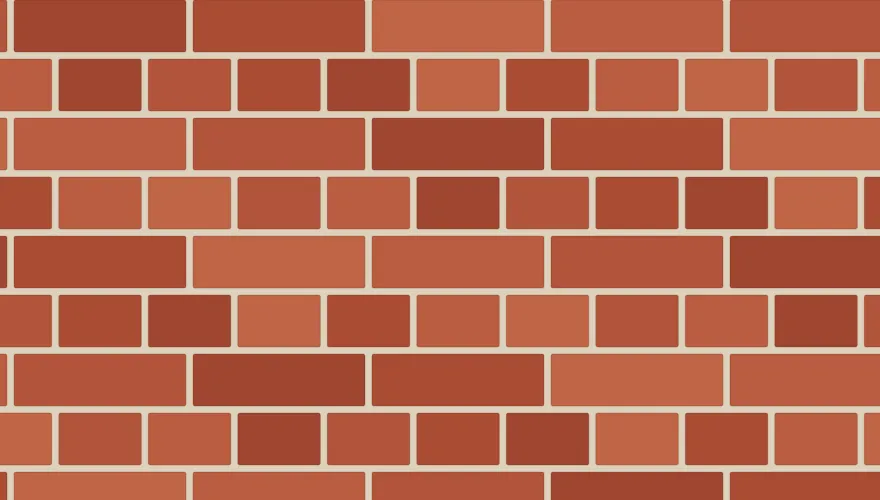
Alternates full rows of headers and full rows of stretchers, offering exceptional structural strength often used in older load-bearing masonry walls.
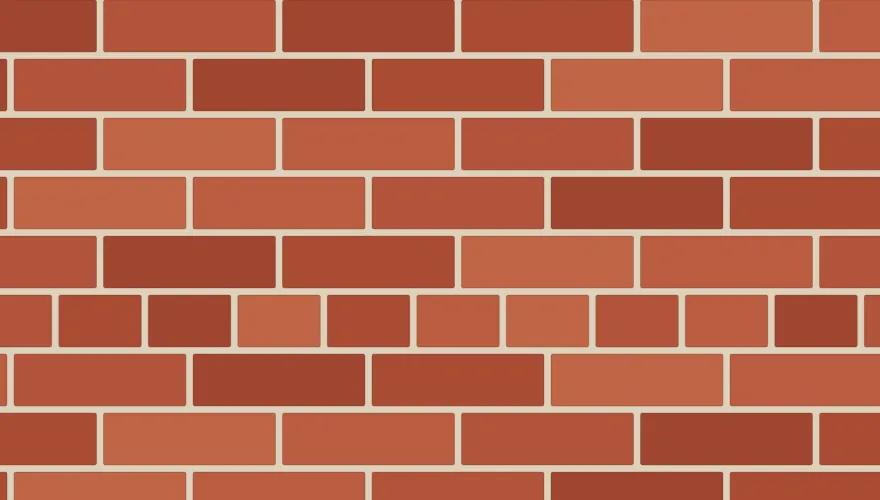
Combines several rows of running bond with a header row every fifth or sixth course, balancing strength with efficient construction.
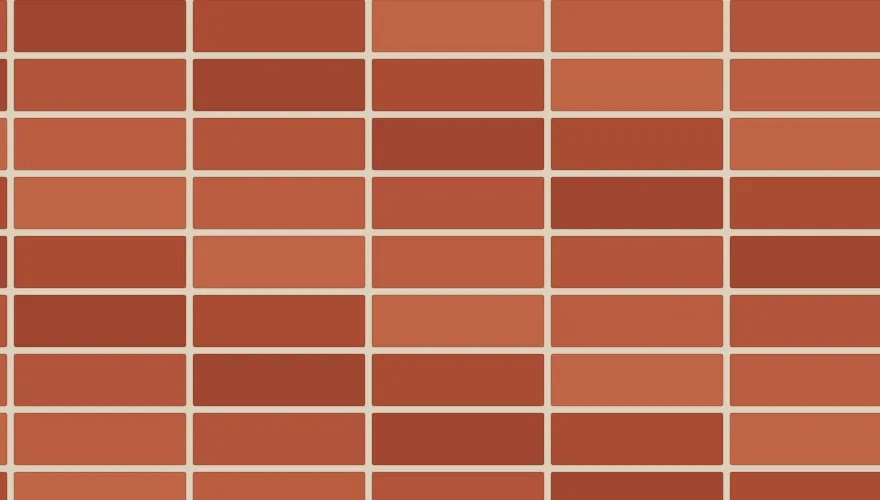
Bricks are aligned directly on top of one another with no offset, creating a bold, modern grid pattern used mainly for decorative, non-structural applications.
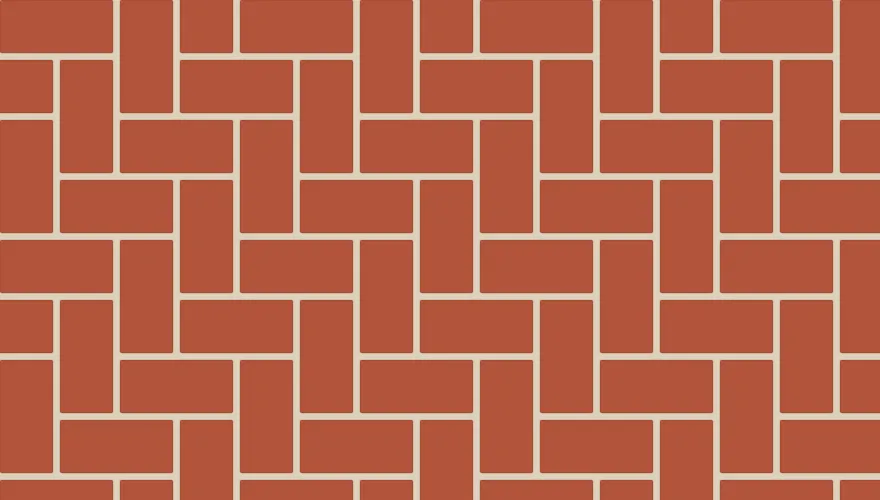
Bricks are laid at diagonal angles forming a zigzag pattern, often used for pavers, patios, and decorative accent walls rather than structural walls.

Pairs of bricks are arranged in alternating horizontal and vertical groups, commonly used for patios, walkways, and decorative garden features.
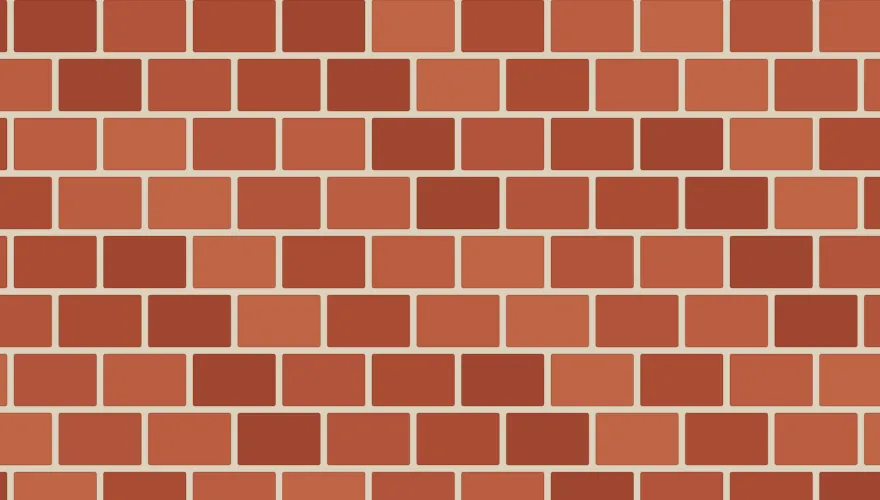
Composed entirely of headers (the short end of the brick facing out), creating a strong wall often used in curved or heavily load-bearing structures.
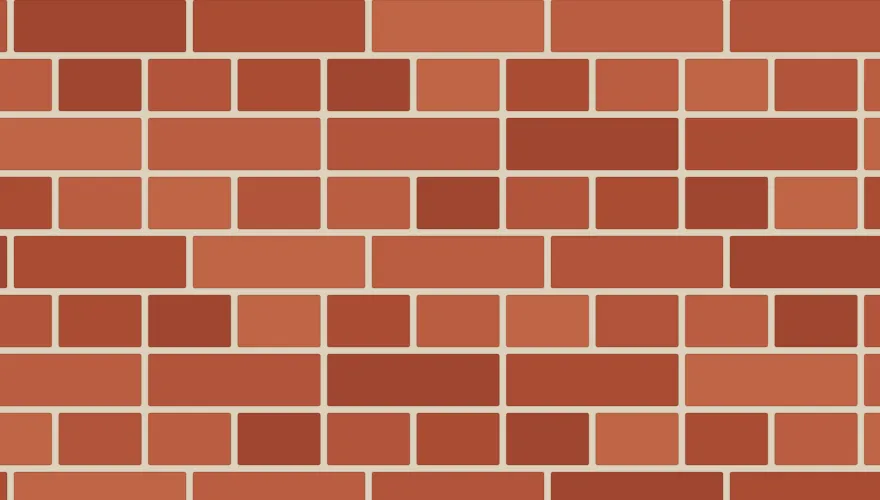
A variation of English bond where stretcher courses are offset by a quarter-brick instead of a half-brick, creating a distinct visual rhythm on the facade.
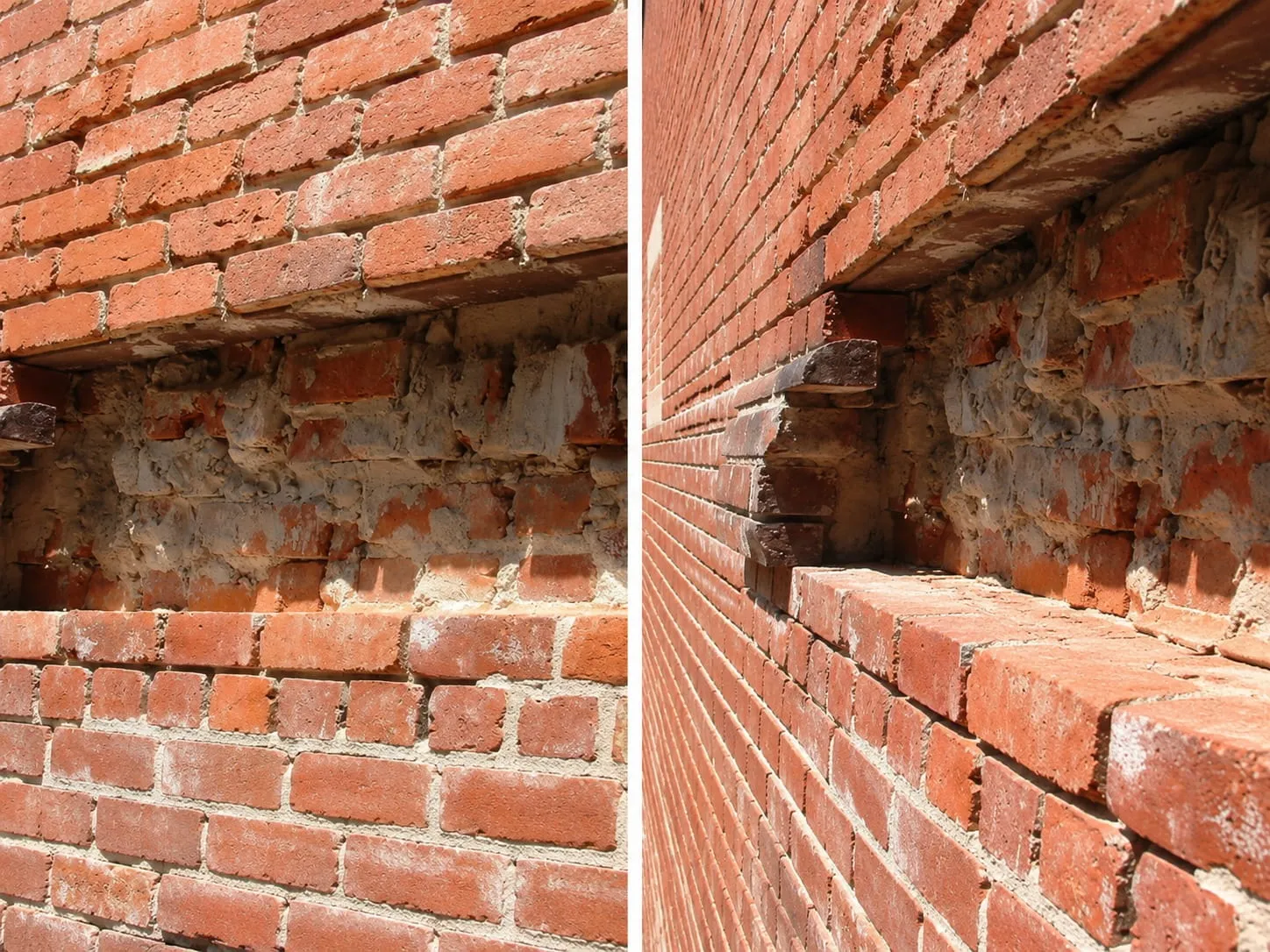
Adding onto an existing brick structure requires more than laying new brick — it requires matching color, texture, and size so the addition reads as a natural continuation of the original building rather than an obvious patch. We source brick samples and compare them against the existing wall in natural light at different times of day, accounting for how brick weathers, fades, and picks up patina over decades of exposure. Texture and size matter just as much as color, since even a slightly different brick dimension can throw off coursing, joint width, and overall wall alignment.
Mortar color and joint profile must be matched as carefully as the brick itself, since a mismatched joint can be just as noticeable as mismatched brick. For historic properties, this matching process is especially critical, both for maintaining visual consistency across the facade and for meeting HPRB requirements on any street-facing additions, extensions, or repairs within DC’s historic districts.
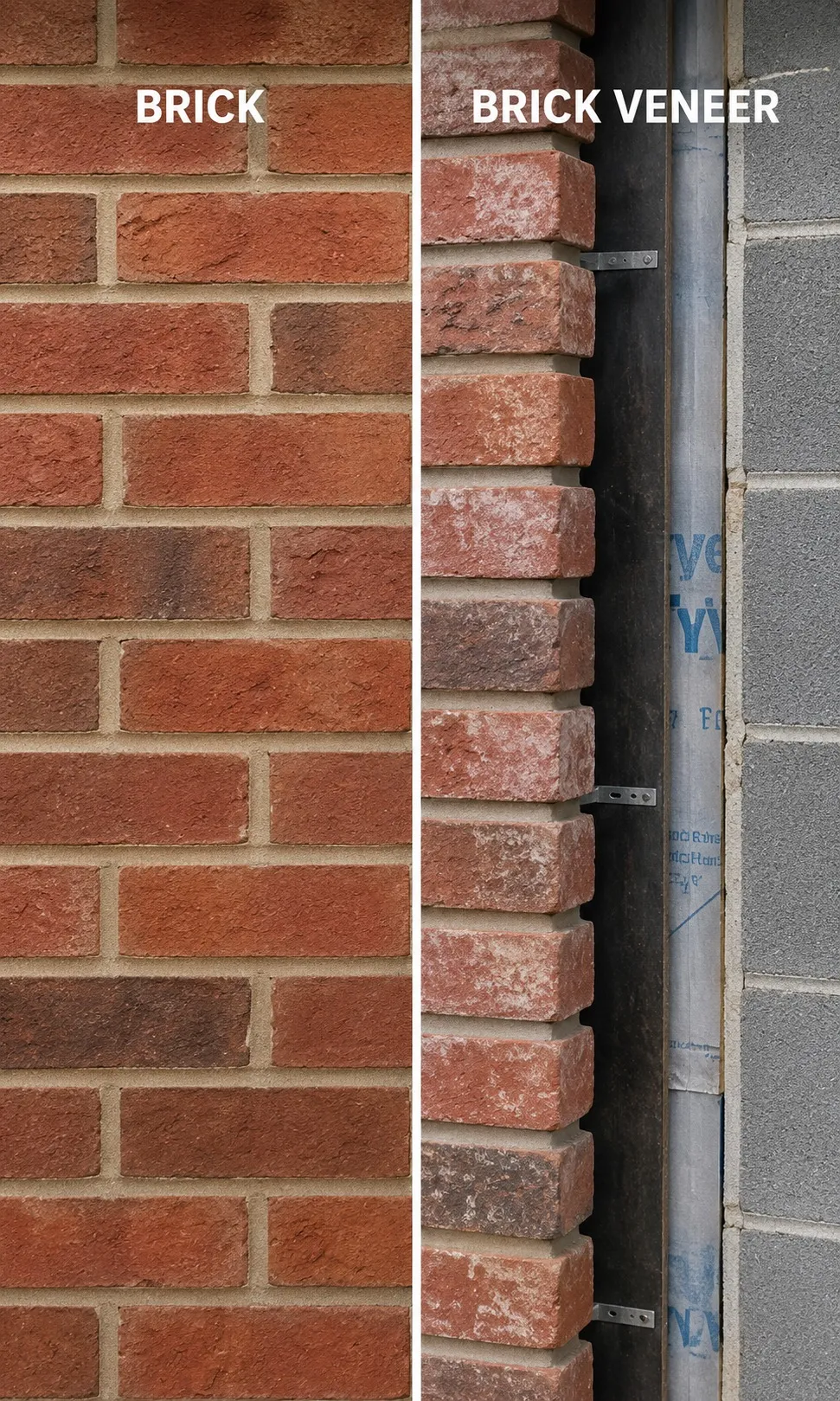
Traditional brick construction uses brick as a structural, load-bearing material, with walls built entirely from solid brick and mortar, capable of supporting the weight of the structure itself. Brick veneer, by contrast, is a thin layer of brick applied over a structural frame — typically wood or steel — serving as an exterior finish rather than bearing the building’s structural load.
Veneer is more common in modern residential construction, offering the appearance of brick at a lower material cost and a faster, less labor-intensive installation timeline compared to solid masonry. Traditional solid brick construction, more common in DC’s historic buildings, offers greater durability, thermal mass, and longevity, but requires more specialized skill and installation time. Understanding which type your project calls for affects cost, timeline, and long-term structural performance, and is an important decision to make early in the planning process.
Washington's rowhouses and federal-era buildings demand brickwork that respects original character. Our installers understand DC's architectural styles, matching brick type, mortar color, and bond patterns so new work blends seamlessly with existing structures, whether it's a historic district property or a modern addition.
Every installation is carried out by fully licensed, insured masons who meet DC's building code requirements. This protects your property and gives you peace of mind that the work will pass inspection without costly compliance issues surfacing after the project is complete.
We use durable, weather-appropriate brick and mortar suited to DC's freeze-thaw climate. Proper technique during laying reduces the risk of early cracking, spalling, or water infiltration, ensuring your new brickwork performs well for decades rather than needing early repair.
We provide clear, itemized quotes covering materials, labor, and timeline before work begins. You'll know exactly what your installation costs and why, with no vague estimates or surprise charges once the project is underway.
Our masons bring years of hands-on brickwork experience across DC's diverse building stock. That experience means clean lines, consistent joints, and a finished result that holds up structurally and aesthetically for the long term.
As a DC-based team, we respond quickly to inquiries and can typically schedule site visits faster than larger, less local contractors. Prompt communication throughout your project keeps things moving without unnecessary delays.
Brick remains the top choice in Washington, DC for its unbeatable blend of beauty, strength, and tradition. Its timeless look fits perfectly with the city’s historic charm, especially in neighborhoods like Capitol Hill and Georgetown. Brick is also fire-resistant, low-maintenance, and energy-efficient—making it ideal for DC’s changing seasons. It helps regulate indoor temperatures, reduces noise, and adds lasting value to any property. From rowhouses to commercial buildings, brickwork continues to deliver on both form and function. That’s why builders and homeowners across DC still rely on it today.
The timeline depends on project size and complexity. Small features like garden walls may take a day or two, while large facades or patios can take several weeks. We provide a detailed schedule upfront and keep you updated throughout the process. We strive to complete projects on time without sacrificing quality.
Brickwork is low maintenance but benefits from occasional cleaning and inspection. Check for mortar cracks or loose bricks annually, and address issues promptly to prevent bigger problems. We also recommend sealing in some cases to protect against moisture and stains. We’re here to help with maintenance advice and services to keep your brickwork looking great for years.
Talk to a local DC masonry expert about your project — no pressure, no obligation.