Foundation Crack Repair
We repair horizontal, vertical, and stair-step cracks in poured concrete and block foundations, injecting epoxy or polyurethane to seal them from the inside and stop water and pests from getting through.

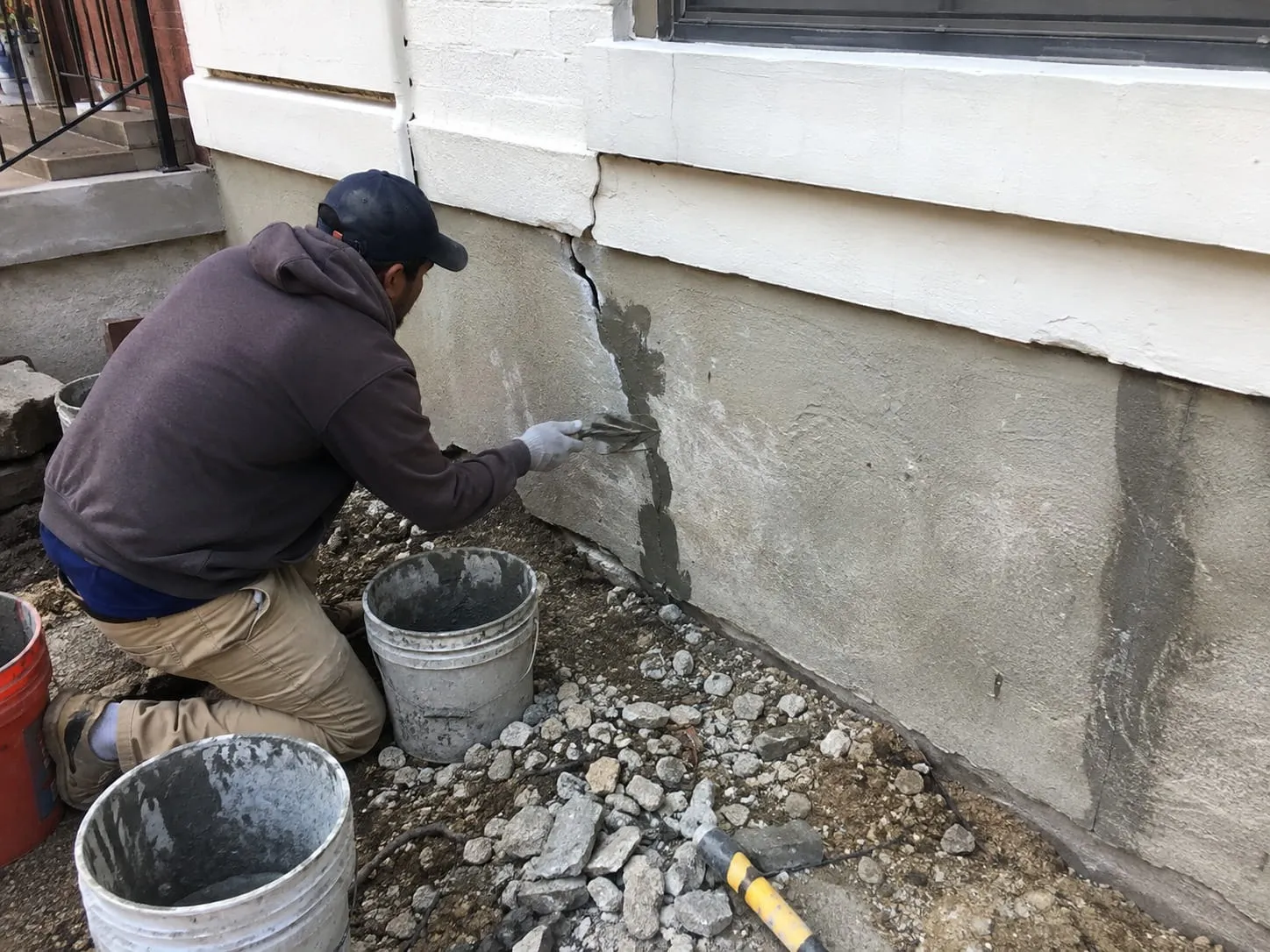
Washington DC's clay-heavy soil expands when wet and shrinks when dry, putting constant stress on your foundation. Add in winter freeze-thaw cycles and decades of settling, and it's no surprise older foundations in Petworth and Brookland start showing cracks, bowing walls, or damp basement floors. Left alone, even a small crack becomes a highway for groundwater, leading to mold and costly structural damage.
As experienced foundation repair contractors in Washington DC, The Brick Bros seal and repair foundation cracks inside and out with materials built for our region's clay and moisture. We install foundation waterproofing membranes and sealants, apply parging to protect exposed foundation block, and correct grading and drainage around your home so water moves away from your foundation instead of pooling against it.
Whether you need one crack patched or a full waterproofing system for a home anywhere in the DC Metro Area, we inspect the real cause before recommending a fix, so you're never paying for work you don't need. Don't wait for a small crack to become a wet basement. Contact The Brick Bros today for a free inspection and an honest quote.
We repair horizontal, vertical, and stair-step cracks in poured concrete and block foundations, injecting epoxy or polyurethane to seal them from the inside and stop water and pests from getting through.
We apply waterproof coatings and membranes directly to your foundation walls, creating a barrier that keeps groundwater and moisture out long after the work is done, protecting your basement for years to come.
Poor grading and clogged drainage push water straight toward your foundation. We regrade soil, extend downspouts, and install drainage systems that carry water away from your home instead of into it.
When exposed foundation block is crumbling or spalling, we apply a fresh parge coat to smooth, seal, and protect the surface, restoring its appearance and shielding it from further moisture damage.
If your foundation is sinking, shifting, or heaving from expansive clay soil, we assess the cause and severity before recommending crack repair, underpinning, or drainage work to stabilize your home.
Water stains, efflorescence, or damp patches on basement walls usually point to a leak somewhere outside. We locate the source and repair it from the exterior for a lasting, guaranteed fix.
Cracks that climb diagonally through mortar joints in a staircase pattern signal uneven settlement beneath your footing. Once they widen past a quarter inch, or keep growing season after season, the foundation itself needs a professional structural assessment.
Damp patches, puddles after heavy storms, or a musty smell along basement walls mean water is finding a path through the foundation. Left alone over time, that moisture erodes mortar, rusts reinforcement, and invites mold into finished living space.
When interior doors suddenly bind, latches miss their strike plates, or windows refuse to open smoothly, the frame is no longer square. That usually traces back to a foundation shifting below rather than to the door or window itself.
Floors that visibly slope toward one wall, or feel springy underfoot, point to settlement or failing support beneath the house. Rolling a marble across the room is a quick test, and a noticeable drift warrants a professional evaluation right away.
Foundation walls that bulge inward, lean, or show a long horizontal crack are under lateral pressure from saturated soil. This is the most urgent sign on the list, and it needs structural reinforcement before the wall fails outright.
A chimney pulling away from the house, gaps opening where a porch meets the wall, or daylight showing beneath the front steps all indicate parts of the building settling at different rates, which calls for prompt foundation repair.
We identify the actual cause of foundation issues, whether soil movement, water infiltration, or settling, before proposing a repair. This ensures the fix addresses the real problem rather than just symptoms.
Washington's varied soil types, including clay-heavy areas prone to expansion and contraction, directly affect foundation stability. Our team understands these local conditions and designs repairs suited to how the ground actually behaves.
For significant structural issues, we work with engineering specifications to ensure repairs meet load-bearing and stability requirements, giving you confidence the foundation will perform properly for years to come.
All foundation repair work is performed by licensed, insured professionals meeting DC building code standards, protecting your investment and ensuring compliance during inspections or future property transactions.
We provide clear quotes outlining diagnosis, repair method, and cost before starting work, so you understand the full scope and reasoning behind the recommended foundation repair approach.
Our team has repaired foundations across DC's varied building stock, from historic rowhouses to newer construction, giving us practical insight into which repair methods genuinely hold up long-term.
Hairline cracks under a sixteenth of an inch are usually cosmetic, but cracks that are wide, growing, horizontal, or leaking water are signs of real structural movement. If you see stair-step cracking in block walls or bowing, call us for a free inspection before it worsens.
Washington DC's clay-heavy soil expands and contracts with moisture, and combined with freeze-thaw cycles and poor drainage, it puts constant pressure on foundation walls. Older homes with aging waterproofing or clogged gutters are especially prone to cracking and water intrusion during heavy rain.
Most exterior waterproofing and drainage correction projects take a few days to a week, depending on the length of foundation exposed and how much regrading or drainage work is needed. Interior crack injections are often finished in a single day with minimal disruption.
Talk to a local DC masonry expert about your project — no pressure, no obligation.