Cracked Bricks
Cracks often result from settling foundations, freeze-thaw cycles, or impact damage. Left unrepaired, they can lead to water intrusion and structural instability.

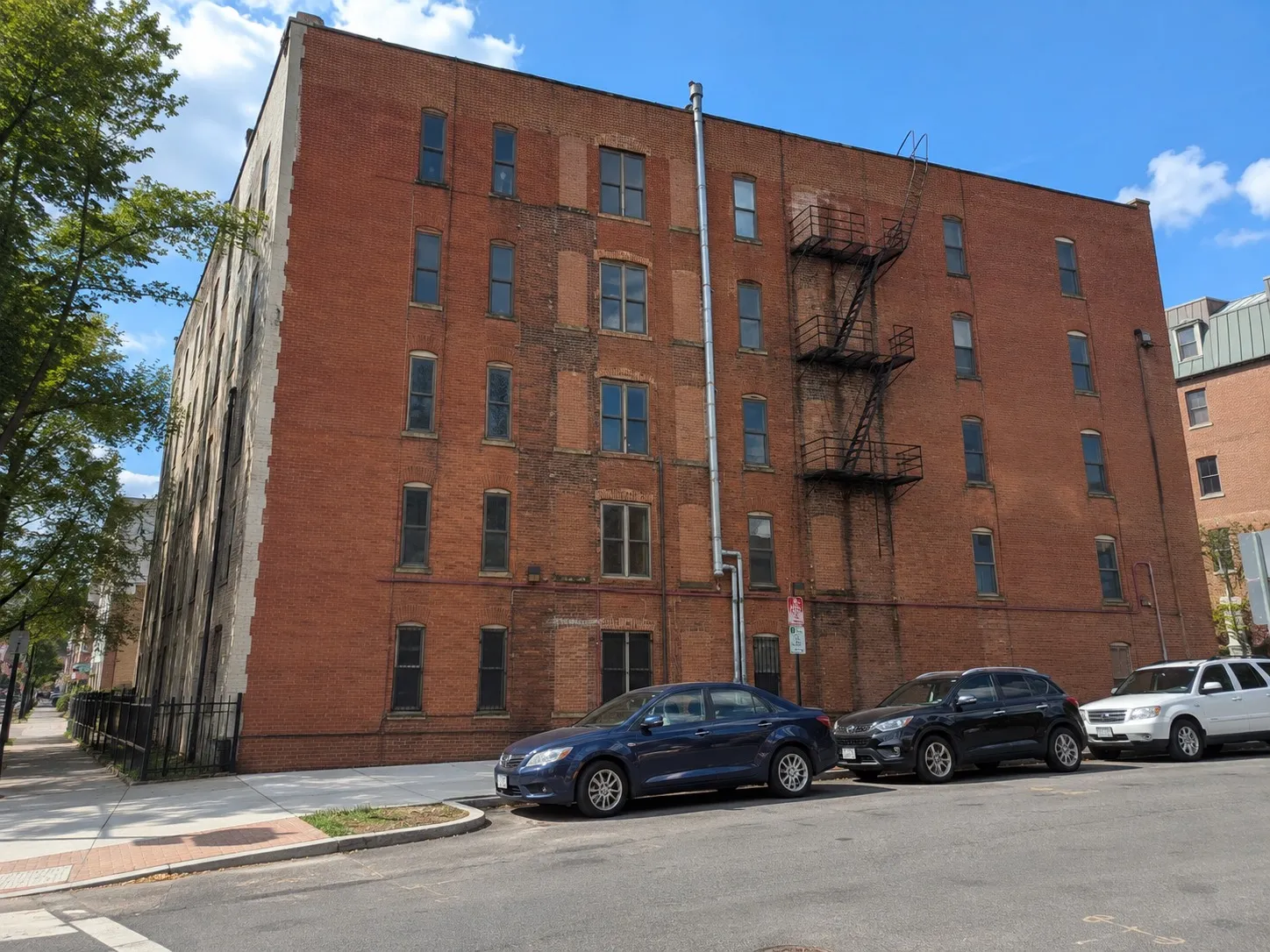
Noticing cracks, chips, or loose bricks around your home or building? You’re not alone. Over time, exposure to Washington DC’s fluctuating climate—intense sun, heavy rain, and freezing temperatures—can take a toll on your brickwork. What starts as a minor crack can quickly turn into serious structural issues if ignored. Damaged bricks not only hurt your curb appeal, but they also let in moisture, weaken walls, and raise repair costs down the line.
Our Washington DC brick repairs team specialize in professional brick repair that blends seamlessly with your existing structure. Our experienced masons restore integrity and beauty to your brickwork using time-tested techniques and high-quality materials.
Don’t let small brick issues grow into big, expensive problems—contact us today for expert brick repair and a free quote.
Cracks often result from settling foundations, freeze-thaw cycles, or impact damage. Left unrepaired, they can lead to water intrusion and structural instability.
Spalling occurs when moisture gets into the brick, freezes, and causes the surface to chip or flake off. It’s common in DC’s cold winters and signals deep moisture problems.
This white, chalky residue appears when water-soluble salts migrate to the brick’s surface. It indicates excessive moisture and can lead to long-term deterioration.
Deteriorated mortar joints allow water to penetrate and weaken the wall. Repointing replaces old mortar with new to restore strength and seal gaps.
This usually results from water damage or poor anchoring and can be a serious structural concern. Immediate repair is needed to prevent collapse.
Stains from mold, pollution, or rust not only affect appearance but may also point to underlying drainage or moisture issues requiring masonry attention.
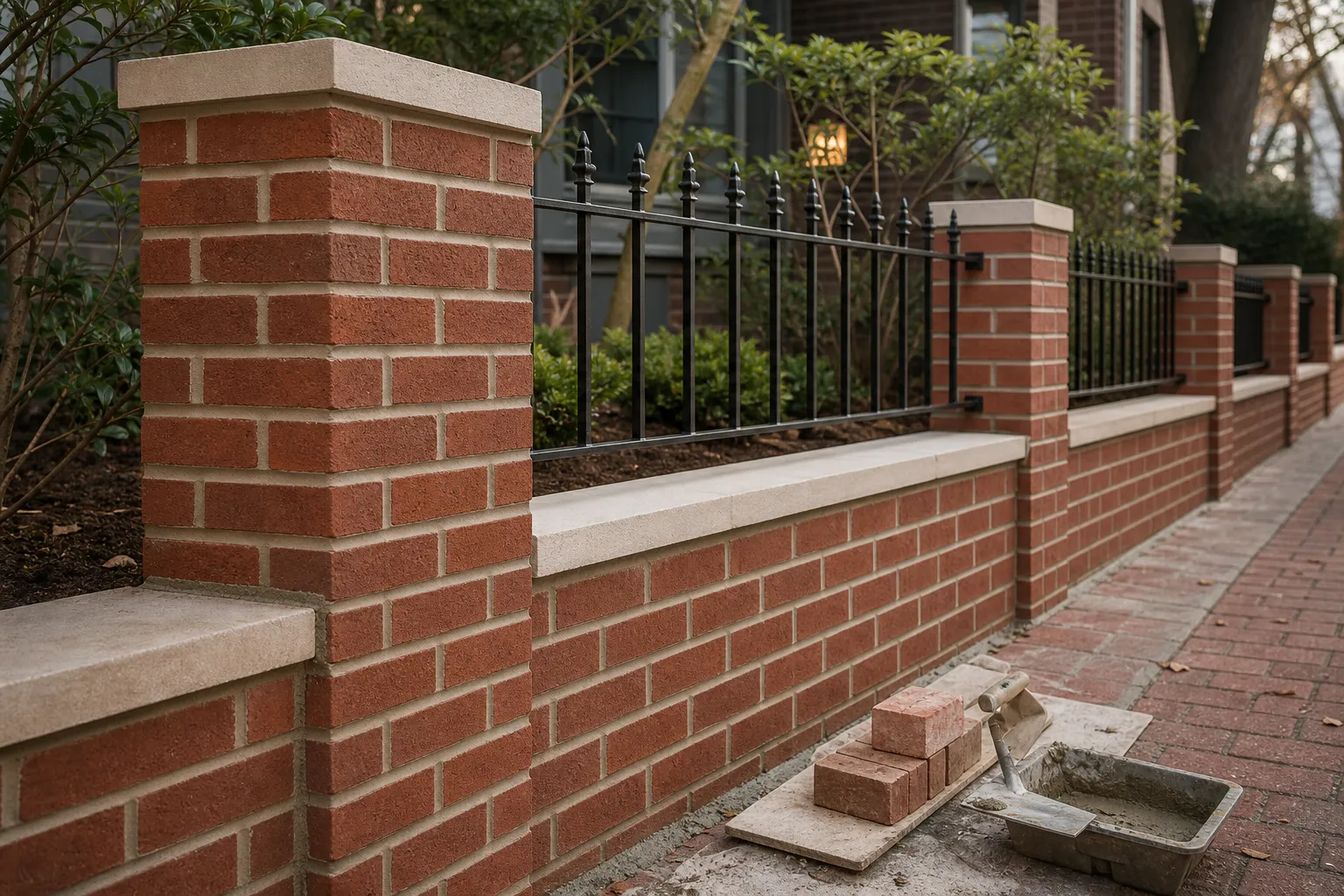
Think a few brick cracks are nothing to worry about? Think again. Crumbling or broken bricks are early signs that your structure may be vulnerable. As water seeps in, it accelerates deterioration, weakens mortar, and can even lead to interior damage like mold or shifting walls. Quick fixes might hide the issue temporarily, but they won’t address the root problem. Our expert repairs restore both the appearance and integrity of your brickwork—so you stay safe, dry, and stress-free.
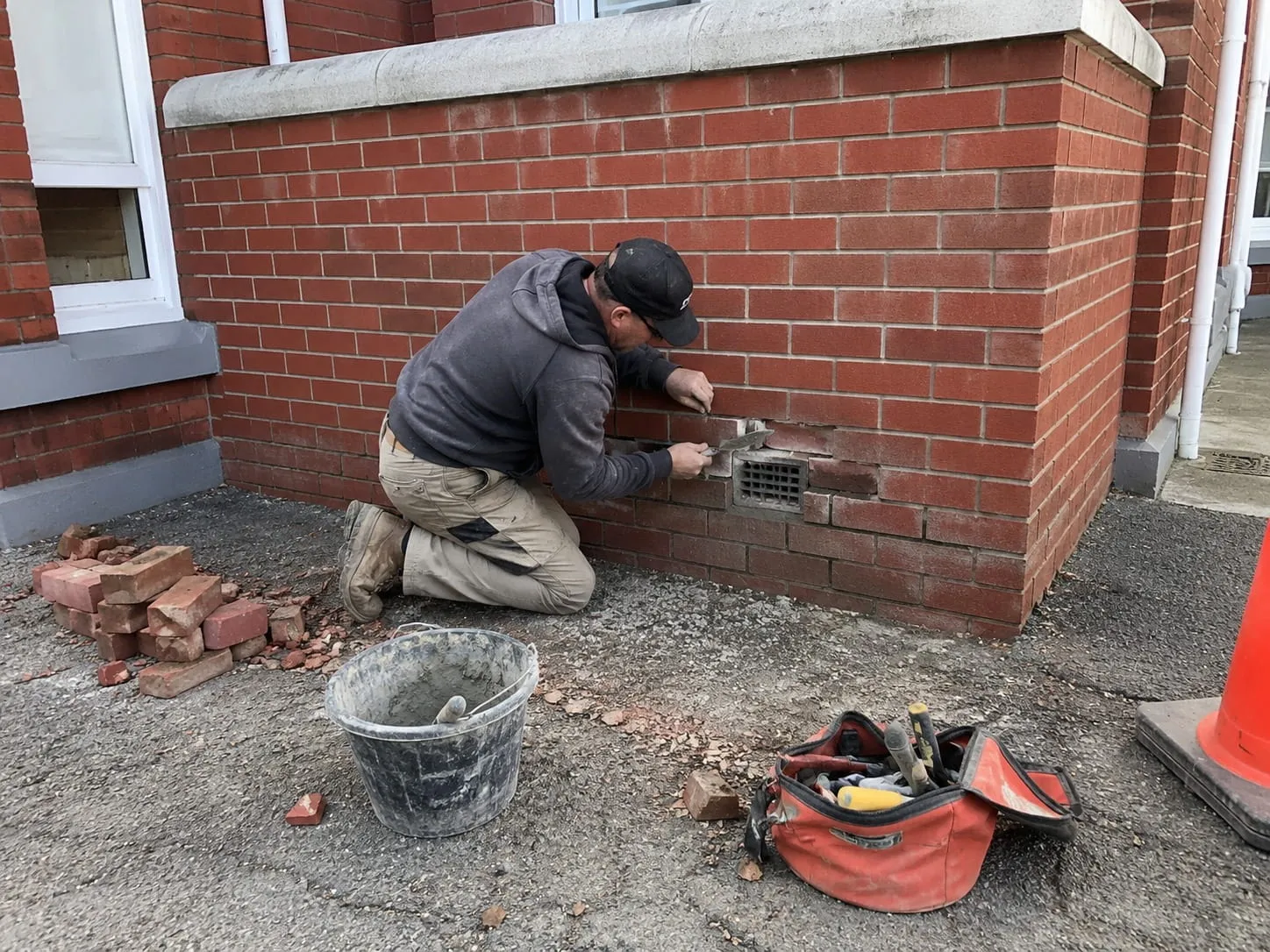
Brick repair addresses specific, localized damage — a cracked brick, a failing lintel, a small section of loose mortar — restoring function to that particular area without altering the building’s overall character. Full restoration is a comprehensive process that returns an entire structure to its original architectural condition, using period-appropriate materials, matched mortar, and historically accurate techniques across the whole facade or building. Repair solves an immediate problem; restoration preserves and renews a building’s complete craftsmanship and historic integrity. Knowing which one your property needs depends on the scope of damage and whether historic preservation standards apply.
Water seeps into brick and mortar, then expands as it freezes, cracking and weakening the material with each winter cycle DC experiences.
Humid summers and wet winters allow water to penetrate porous brick and mortar, accelerating deterioration from the inside out over time.
Many DC buildings are over a century old, and original mortar and brick naturally weaken and erode after decades of exposure.
Some older buildings were built with inconsistent mortar mixes or subpar materials, leading to premature deterioration compared to properly constructed structures.
Modern Portland cement used on historic lime-mortar walls traps moisture, causing surrounding brick to crack, spall, and deteriorate faster.
Improper grading or clogged gutters direct water toward foundation walls, saturating brick and mortar and accelerating structural damage over time.
Soil movement or foundation settling causes stair-step cracking in brick walls, indicating movement rather than simple surface wear.
Ivy, tree roots, and other vegetation growing against or near brick walls trap moisture and physically stress mortar joints over time.
Deferred repointing and repair allow minor mortar issues to worsen into significant water damage and structural problems over the years.
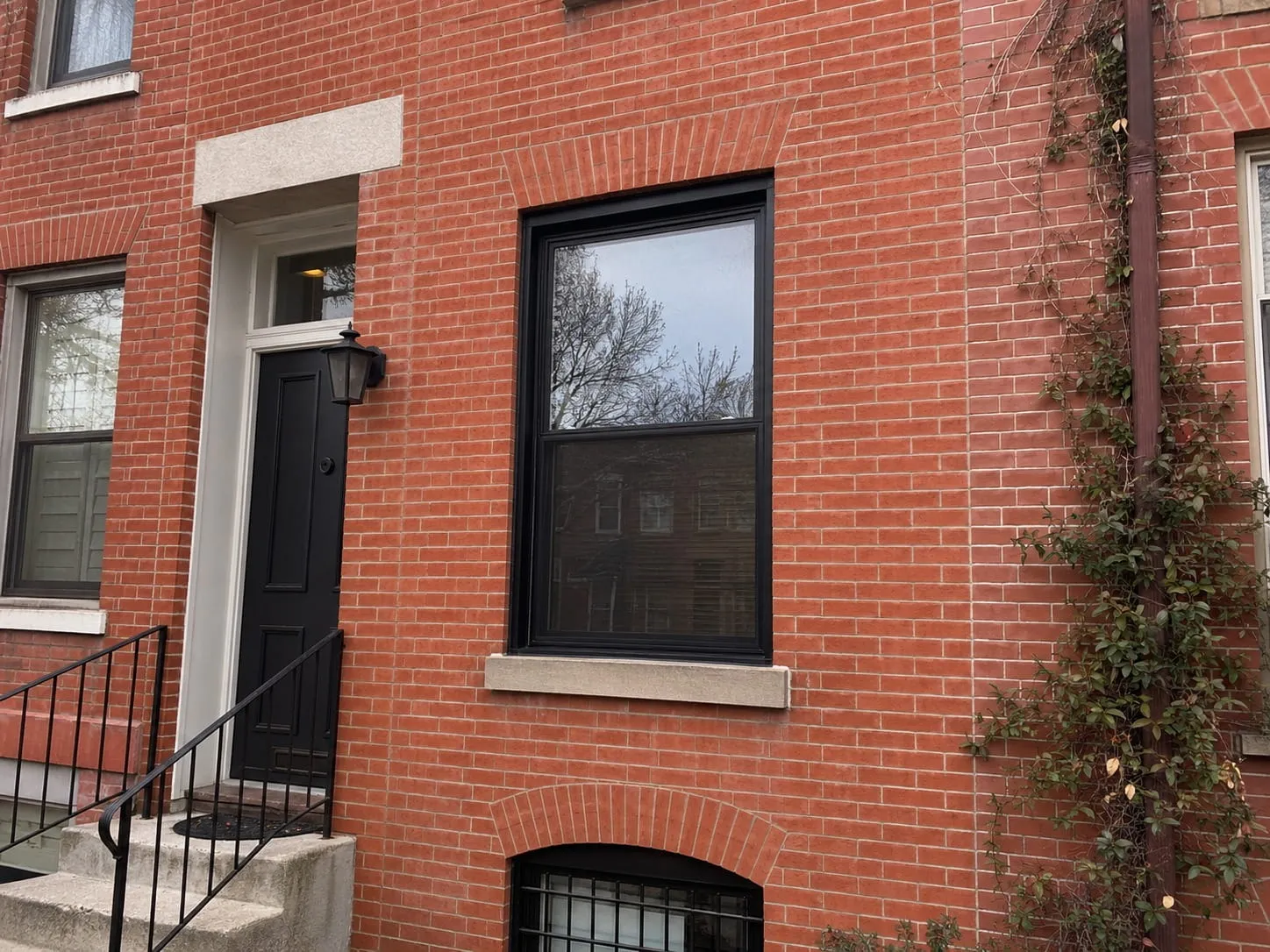
Brick repairs on properties within Washington DC’s historic districts must comply with Historic Preservation Review Board (HPRB) guidelines, which govern visible exterior changes to protect a neighborhood’s architectural character. This typically means using mortar that matches the original in color, texture, and composition — often lime-based rather than modern Portland cement — along with replacement brick sourced to match the original in size, color, and texture. Repairs affecting facades, cornices, or other street-facing elements generally require HPRB review before work begins. Homeowners in historic districts should confirm requirements with the DC Historic Preservation Office or work with a contractor experienced in navigating this process directly.
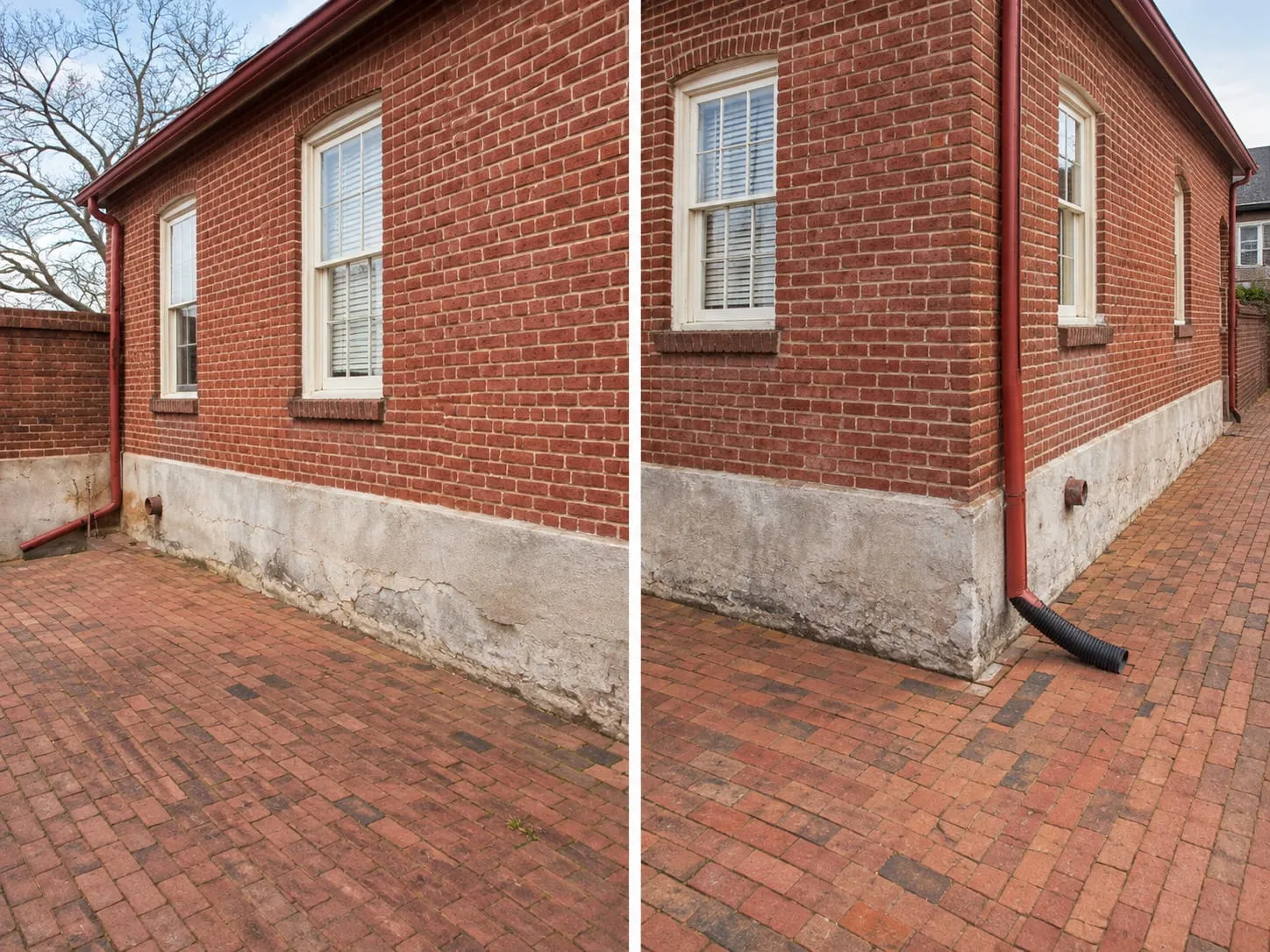
Attempting brick repair without professional experience often creates more problems than it solves. DIY repairs frequently use mismatched mortar — typically an overly hard Portland cement mix — which traps moisture inside the wall and accelerates damage to surrounding brick rather than preventing it. Incorrect mortar color or joint profile can also permanently alter a building’s appearance, an especially costly mistake on historic properties subject to HPRB review. Beyond materials, DIY repairs often miss underlying causes like drainage issues or structural movement, addressing only the visible symptom while the real problem continues. Professional repair identifies the root cause, uses compatible materials, and ensures the fix actually lasts.
We carefully match replacement brick to your existing structure in color, size, and texture, so repairs are visually seamless rather than an obvious patch. This attention to detail protects your property's curb appeal and resale value.
Before repairing visible damage, we check for underlying structural issues like foundation movement or moisture infiltration. Addressing root causes ensures your brick repair actually lasts, rather than needing to be redone within a year or two.
We use mortar formulated to handle DC's humid summers and freezing winters, reducing the risk of cracking or spalling from freeze-thaw cycles. Getting mortar composition right is essential for long-term repair durability.
Our brick repair work is carried out by licensed, insured professionals who meet DC code requirements. You can proceed with confidence knowing the repair is both compliant and properly documented.
We provide itemized quotes detailing scope, materials, and labor before starting any repair. This transparency means you know exactly what to expect financially, with no unexpected charges appearing partway through the job.
Our team has completed brick repairs across DC neighborhoods for years, building a reputation for quality workmanship. That track record means you're hiring a contractor with a real history of satisfied local customers.
Look for cracks, flaking surfaces, missing mortar, bricks that appear loose, or white staining (efflorescence). These are all signs of wear, moisture damage, or foundation shifts. Ignoring them can lead to structural instability. If you’re unsure, we offer thorough inspections to identify issues early.
It depends on the extent of the damage. If the brick is mostly intact and the issue is with the mortar, a repair or repointing may be enough. However, if bricks are cracked through, severely chipped, or deteriorated, replacement is often the safer option. We’ll recommend the most effective and cost-efficient solution after assessing your structure.
Absolutely. We specialize in blending new bricks and mortar with existing structures. Our team carefully color-matches materials to ensure the repairs are virtually invisible. We aim for seamless results that preserve your building’s original charm and value. You’ll get repairs that look natural—like the damage was never there.
Most small repair jobs take 1–2 days, depending on the extent of the damage and weather conditions. Larger projects or those involving replacement bricks may take longer. We provide a clear timeline and keep you informed throughout the process.
It depends on the cause. If the damage resulted from a covered event like a storm or accidental impact, your policy may help with the cost. Routine wear and tear, however, is usually not covered. We’re happy to provide documentation for your claim.
Talk to a local DC masonry expert about your project — no pressure, no obligation.