Historic Rowhouse Restoration
Many of DC’s iconic rowhouses date back over a century and require repointing to preserve their original brickwork. Repointing protects these homes from moisture damage while maintaining their classic charm and value.
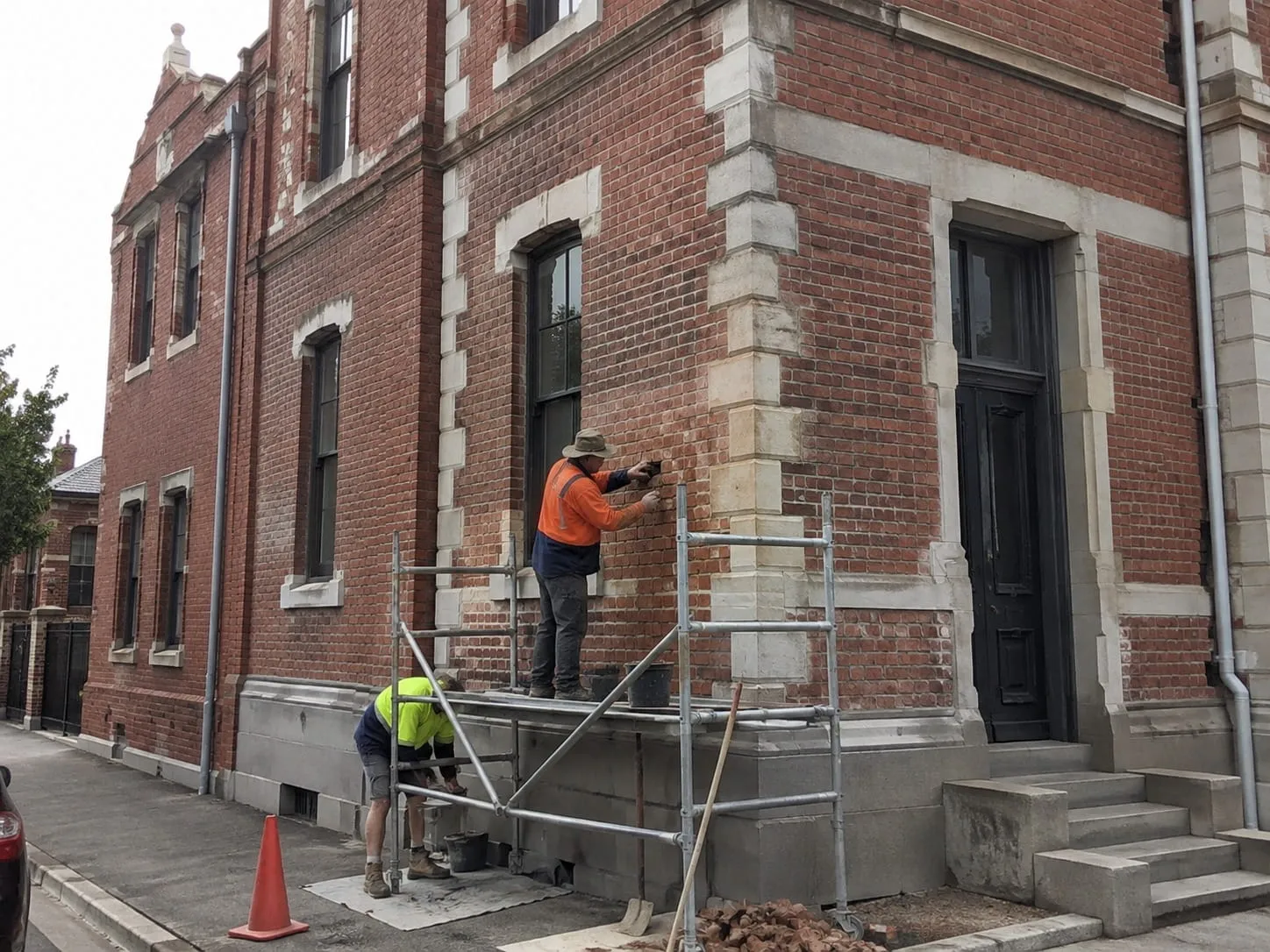
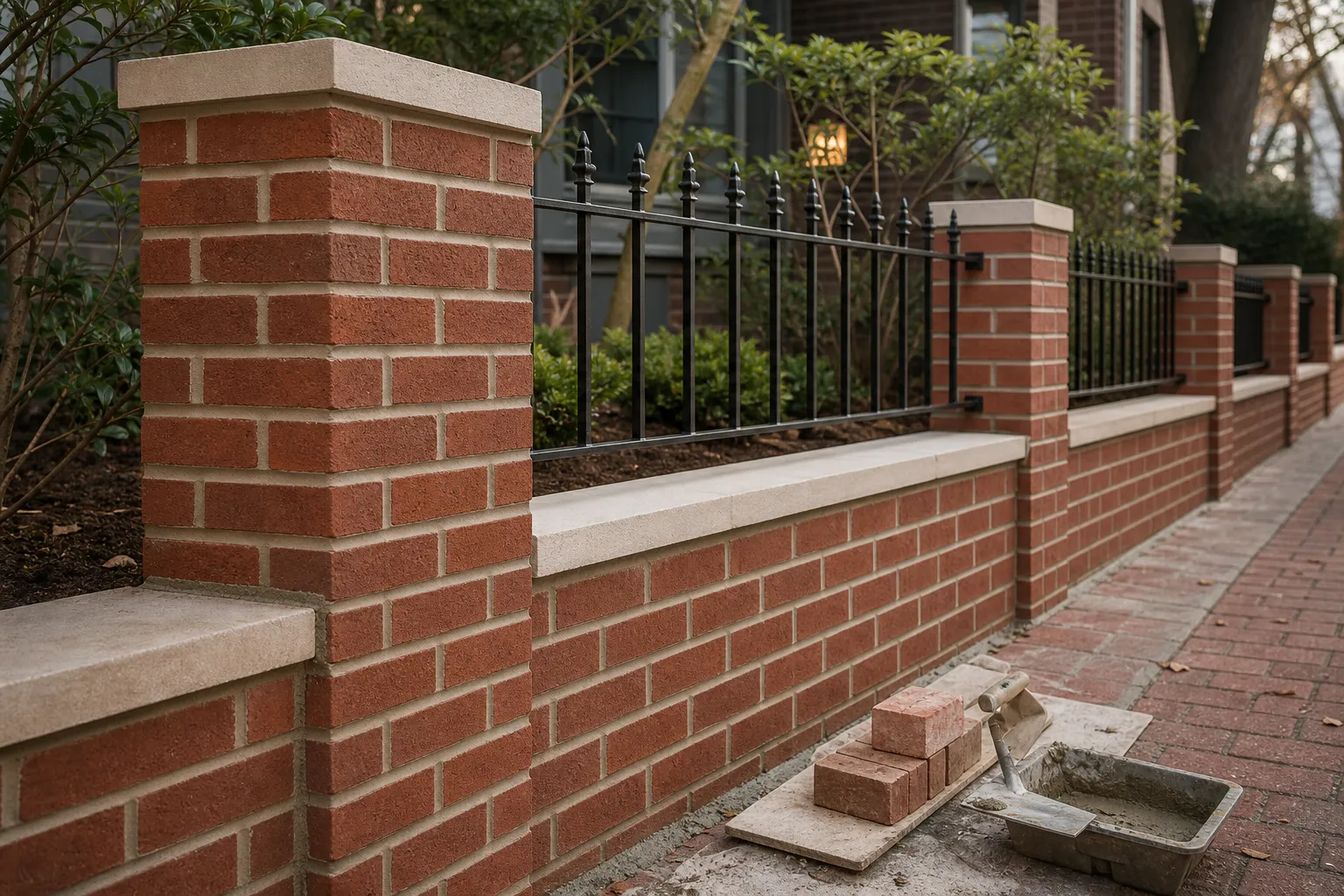
Are the mortar joints between your bricks crumbling, cracked, or missing altogether? If so, it’s time for brick repointing Washinton DC. In DC’s tough climate, mortar wears down faster than bricks—leading to loose joints, water intrusion, and even structural instability. Without proper attention, what starts as minor mortar damage can quickly compromise your entire wall.
We specialize in professional brick repointing that renews your structure’s strength while restoring its original beauty. We carefully remove deteriorated mortar and replace it with a durable, color-matched mix that seamlessly blends with your brickwork.
Don’t ignore those worn joints—call us today for expert repointing that protects your property and keeps your masonry looking sharp.
Many of DC’s iconic rowhouses date back over a century and require repointing to preserve their original brickwork. Repointing protects these homes from moisture damage while maintaining their classic charm and value.
Federal and local government buildings, museums, and universities with brick exteriors regularly need repointing to maintain structural integrity and appearance, ensuring safety and longevity.
Downtown DC commercial properties often use brick facades that require repointing to address weathering and wear from pollution, preserving both curb appeal and property value.
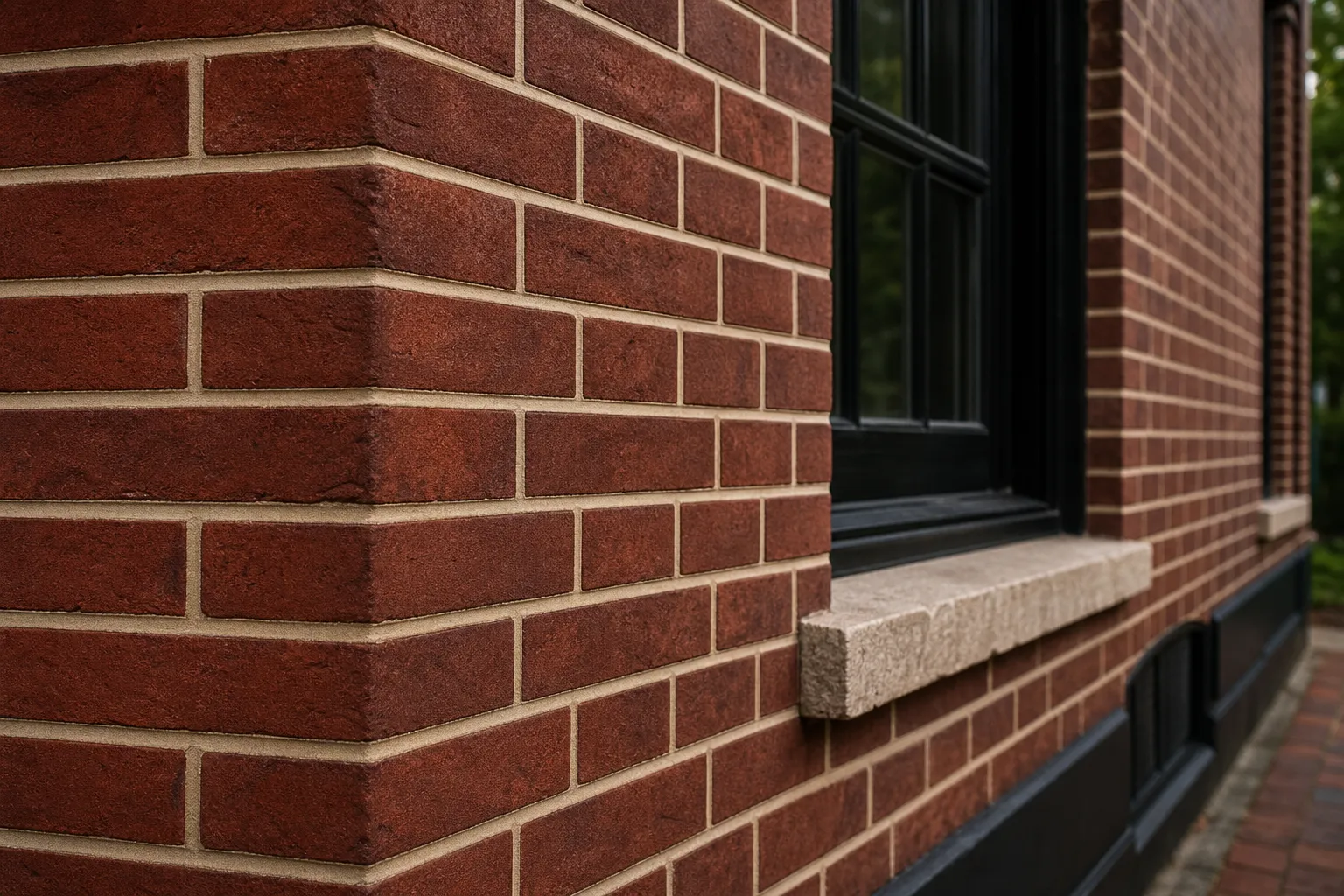
It’s easy to overlook mortar joints, but they’re just as important as the bricks themselves. Over time, weather exposure and settling cause mortar to erode, leaving your walls vulnerable to moisture and decay. This doesn’t mean you need new bricks—you just need solid repointing. Our precise techniques reinforce your structure and refresh the look of your home—without the cost of a full rebuild.
Brick repointing and tuckpointing are often confused, but they serve different purposes. Repointing is a functional repair — removing deteriorated mortar and replacing it with fresh mortar to restore structural protection and stop water infiltration. Tuckpointing is a more specialized, decorative technique, often performed after repointing, that sets fine, contrasting lines into the mortar to create the appearance of extremely thin, precise joints. While repointing is essential maintenance for any aging brick wall, tuckpointing is typically reserved for historic or high-visibility facades where appearance matters as much as protection. Many DC rowhouses benefit from both, applied together for lasting results.
Older DC properties often require lime-based mortar rather than modern cement mixes to avoid damaging softer historic brick. Our team understands these distinctions and selects mortar composition appropriate to your building's age and construction.
We match new mortar joints to the existing color, width, and profile, ensuring repointed areas blend naturally with untouched sections. This attention to detail keeps your building's appearance consistent rather than patchy or mismatched.
Deteriorating mortar joints allow water infiltration that can damage brick and interior walls over time. Repointing at the right stage protects your masonry investment and prevents more costly structural repairs later on.
Our repointing work is performed by licensed, insured masons experienced with DC's building stock. This ensures compliant, professional results backed by proper insurance coverage throughout the project.
We provide clear, itemized quotes covering the full scope of repointing work, including mortar removal, materials, and labor. You'll know your total cost upfront, with no ambiguity once work begins.
Having repointed brickwork across DC's rowhouses, commercial buildings, and historic structures, our team brings genuine local experience to every project, understanding what works across the city's varied architectural styles.
When mortar joints crumble, flake, or fall out entirely, brick loses its protective seal against water and weather, making repointing necessary to prevent further damage.
Recessed or widening gaps in mortar joints indicate significant erosion, leaving the wall structurally exposed and vulnerable to moisture intrusion over time.
Water stains on interior or exterior walls near brick often signal that failing mortar is allowing moisture to pass through where it shouldn’t.
If mortar disintegrates easily when scratched or touched, it has lost its structural integrity and can no longer protect the surrounding brick effectively.
Bricks that feel loose or have visibly shifted often indicate the mortar holding them in place has deteriorated beyond simple surface wear.
Dark staining, mold, or discoloration around mortar joints points to trapped moisture, a common sign that repointing is needed before damage spreads further.
We evaluate the extent of mortar deterioration, identify underlying causes like water damage or structural movement, and determine the right repointing approach for your property.
Deteriorated mortar is carefully ground out to an appropriate depth without damaging surrounding brick, creating a clean joint ready for new material.
We match the new mortar’s color, texture, and composition to your existing brickwork, ensuring the repointed areas blend seamlessly rather than standing out.
Joints are cleaned and dampened before new mortar is applied, ensuring proper adhesion and preventing premature drying that could weaken the repair.
New mortar is packed into joints and tooled to match the original profile, restoring both structural protection and visual consistency across the wall.
Mortar is left to cure properly under controlled conditions, followed by a final inspection to confirm the repointing meets both structural and aesthetic standards.
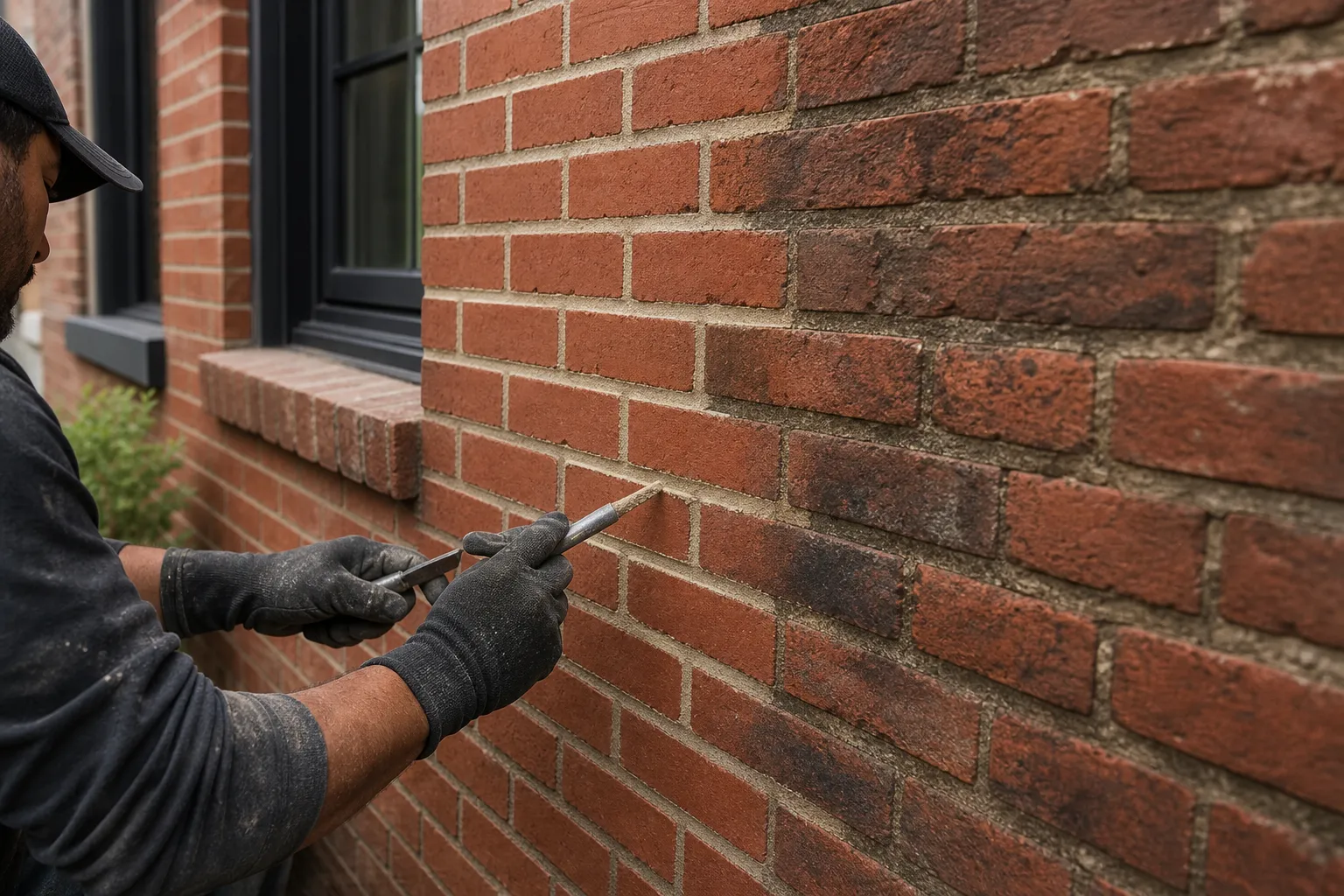
Choosing the right mortar is critical, especially for older DC properties. Lime mortar is softer and more flexible, allowing walls to breathe and moisture to escape naturally — exactly how historic brick was designed to perform. Portland cement, by contrast, is harder and less permeable, often trapping moisture inside walls and causing surrounding brick to crack or spall over time. While Portland cement may suit some modern construction, using it on historic masonry frequently causes more damage than it prevents. Selecting the correct mortar type is one of the most important decisions in any repointing project, particularly for DC’s older rowhouses and historic buildings.
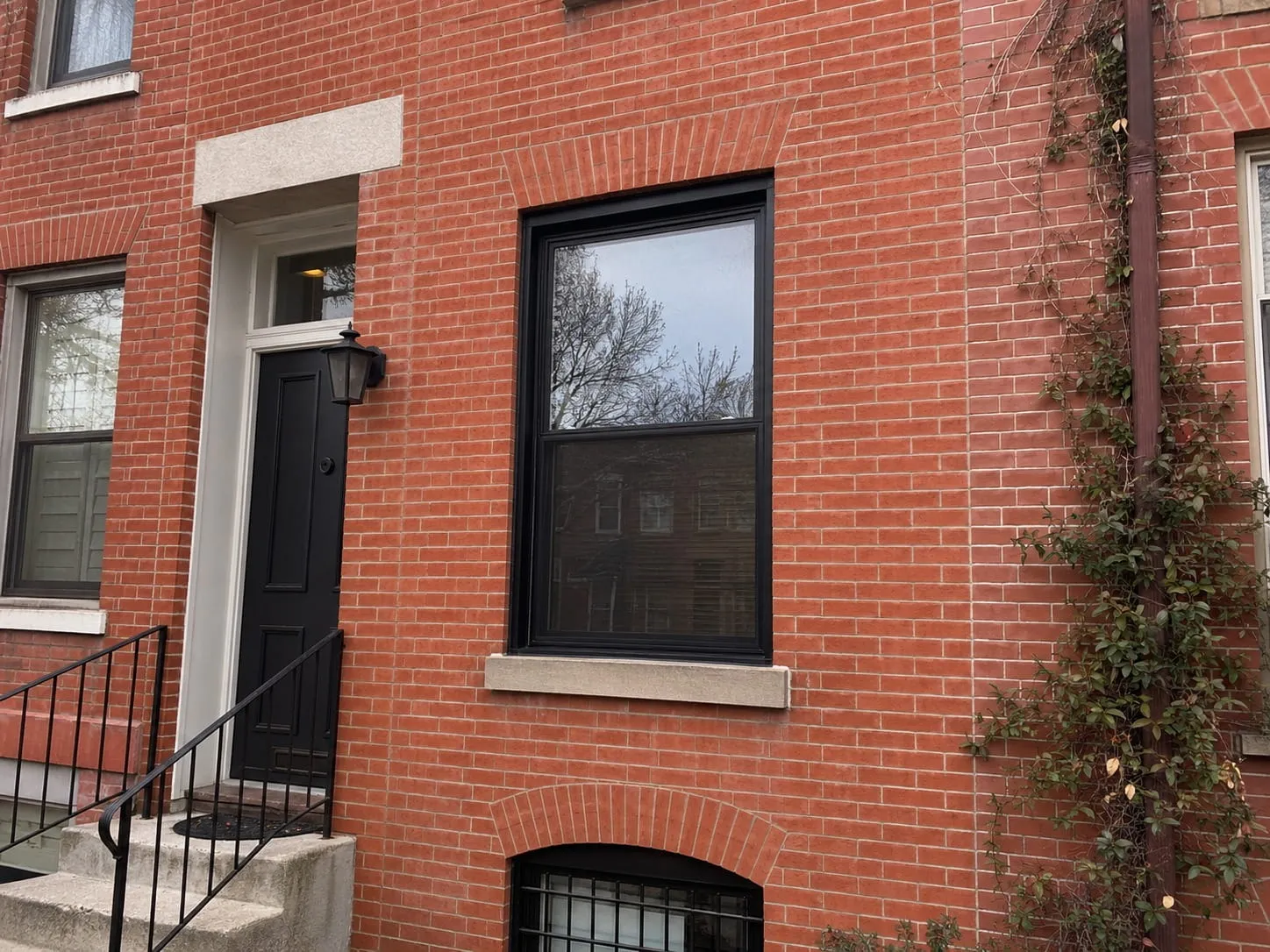
Repointing requirements differ significantly between historic homes and modern buildings. Historic properties typically require lime-based mortar to match original materials and preserve the wall’s ability to manage moisture naturally, along with careful attention to joint profile and mortar color for HPRB compliance. Modern buildings, often built with harder brick and cement-based mortar, can generally tolerate Portland cement repointing without the same risk of damage. Understanding these differences is essential — applying the wrong mortar type to a historic wall can accelerate deterioration rather than solve it. Our team assesses each property individually to ensure the repointing approach matches the building’s age and construction.
Professionals understand which mortar type suits your building’s age and material, avoiding the common mistake of using overly hard cement on historic brick.
Repointing requires specific tools and techniques to remove old mortar without damaging surrounding brick, something DIY attempts often get wrong.
Professional contractors understand historic district requirements, ensuring repointing work meets preservation standards and avoids costly compliance issues.
Correctly executed repointing protects against water infiltration and structural damage, preventing far more expensive repairs down the line.
Professionals match mortar color, joint width, and tooling technique, ensuring repointed areas blend seamlessly rather than creating a visibly patched look.
Local professionals understand how DC’s freeze-thaw cycles and humidity affect masonry, applying repointing methods suited specifically to the region’s conditions.
Brick repointing is the process of carefully removing old, cracked, or deteriorating mortar from between bricks and replacing it with fresh, durable mortar. Over time, weather exposure, moisture, and natural wear can cause mortar joints to weaken, which compromises the strength and stability of your brickwork. Repointing restores both the appearance and structural integrity of your walls, helping to prevent water infiltration, cracking, and costly long-term damage. Without this maintenance, moisture can seep behind the bricks, leading to mold, interior leaks, and even structural failure. Repointing is essential to protect and extend the life of your masonry.
Look for crumbling, powdery, or missing mortar, as well as cracks along the joints or water stains on your walls. If the mortar is recessed deeper than the brick surface, it’s a sign the joints are wearing out. A quick inspection can confirm the condition. If you’re unsure, we offer free assessments to evaluate your mortar and recommend the right solution.
While both involve renewing mortar joints, tuck pointing is more decorative. It uses two colors of mortar—one to match the brick and another for thin “tuck” lines—to give the appearance of fine joints. Repointing, on the other hand, focuses on structural restoration. If your goal is strength and durability, repointing is your go-to. For style and aesthetics, consider tuck pointing.
Yes! Not only does repointing strengthen your walls, but it also refreshes the appearance of your masonry. Fresh mortar gives your brickwork a crisp, clean finish that enhances curb appeal and preserves historic charm. It’s a win-win—your building looks better and lasts longer.
High-quality repointing can last 25–30 years or more, especially when done by experienced professionals using durable mortar suited to local weather conditions. Regular maintenance and timely touch-ups can extend that life even further. We use premium materials and skilled craftsmanship—so your investment stands the test of time.
Talk to a local DC masonry expert about your project — no pressure, no obligation.