
How Long Does Brick Pointing Last? Everything DC Homeowners Need to Know
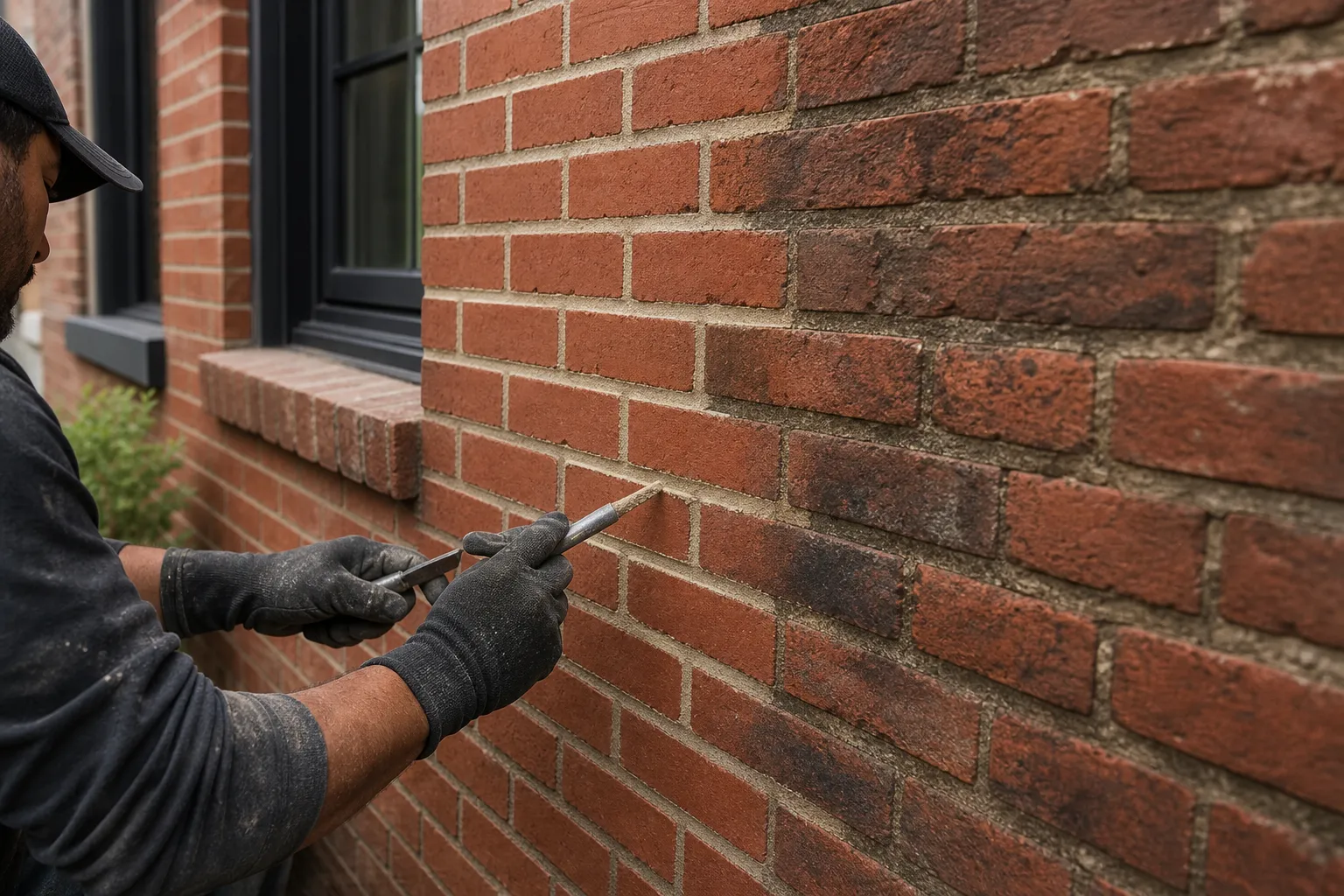
Properly done brick pointing typically lasts 20 to 30 years before it needs to be redone, though the exact brick pointing lifespan depends on the mortar mix used, the quality of the original workmanship, weather exposure, and how well the property has been maintained in between. South- and west-facing walls that take the brunt of sun and rain in DC tend to wear faster than shaded or north-facing walls. Homes with proper drainage, gutters that direct water away from the walls, and periodic inspections tend to get the full 30 years out of a repointing job, while poorly maintained properties may need touch-ups within 10 to 15 years.
What Determines How Long Repointing Lasts
- Mortar mix and hardness: Mortar matched correctly to the brick's age and hardness lasts significantly longer than mismatched mortar, which cracks and fails prematurely.
- Workmanship quality: Proper joint depth, thorough old-mortar removal, and correct curing conditions all affect how long a repointing job holds up.
- Sun and weather exposure: Walls facing south and west in DC take more direct sun and rain, which accelerates mortar wear compared to shaded sides of a home.
- Drainage and grading: Water pooling against a wall or running off a roof directly onto brick shortens the lifespan of both the mortar and the brick itself.
- Freeze-thaw frequency: DC's winter freeze-thaw cycling is one of the biggest long-term stressors on mortar joints, regardless of how well the repair was originally done.
- Building movement: Homes that experience ongoing minor settling or vibration from nearby traffic or construction may see mortar wear faster than more stable structures.
Signs Your Repointing Is Reaching the End of Its Life
Even a well-done repointing job eventually needs attention again. Watch for mortar that has become soft or powdery when touched, small cracks reappearing along the joints, gaps where mortar has started to pull away from the brick edges, or a slightly recessed look to the joints compared to when they were freshly done. These early warning signs typically appear gradually over several years, giving homeowners time to schedule a touch-up before water intrusion becomes a bigger issue.
Does the Type of Mortar Affect Lifespan?
Yes, significantly. Lime-based mortar, common in DC homes built before the 1930s, is softer and more flexible than modern portland cement mortar, and it's designed to wear gradually rather than crack suddenly. When used correctly on the right era of home, lime mortar can actually last just as long as harder modern mixes while causing less wear on the surrounding brick. Portland cement mortar, while more common and often cheaper, is harder than older brick and can accelerate brick spalling if used on a historic home that wasn't originally built with it. Choosing the correct mortar type for your home's age is one of the biggest factors in getting the full expected lifespan out of a repointing job.
How Historic DC Homes Compare to Newer Construction
Rowhouses in neighborhoods like Capitol Hill, Georgetown, and LeDroit Park were often built with softer brick and lime mortar designed for a different maintenance rhythm than modern construction. These homes may need repointing sections touched up more frequently, every 15 to 25 years in high-exposure areas, compared to newer brick veneer construction built with modern mortar, which can sometimes go 30 years or more between major repointing projects. This isn't a flaw in older construction; it simply reflects a building tradition that assumed periodic maintenance as part of normal home upkeep, rather than a one-time repair that lasts indefinitely.
How to Extend the Life of Your Repointing
A few maintenance habits meaningfully extend how long a repointing job lasts. Keep gutters clean and downspouts directed away from brick walls so water doesn't repeatedly saturate the same section of mortar. Address any small cracks as soon as they appear rather than letting water work its way in over a full winter. Avoid using rock salt near brick steps or walls, since it accelerates both mortar and brick deterioration. Finally, schedule a masonry inspection every few years, ideally in the fall, so a professional can catch early wear before it turns into a full repair.
What Voids or Shortens a Repointing Warranty
Many DC masonry contractors offer a warranty on repointing work, typically ranging from two to ten years depending on the company and scope of the job. That warranty can be shortened or voided by a few common issues: unresolved drainage problems that continue directing water at the repaired section, DIY modifications made to the wall after the repair, or damage from an unrelated event like a fallen tree limb or vehicle impact. Homeowners who want to protect their investment should ask contractors directly what is and isn't covered, and keep basic maintenance, like clearing gutters and addressing new cracks promptly, to preserve both the warranty and the underlying repair.
Is It Worth Repointing an Entire Home at Once?
Homeowners sometimes ask whether it makes sense to repoint an entire house at once versus doing it section by section as problems appear. Doing the full project at once often costs less per square foot than multiple smaller visits over the years, since mobilization, scaffolding, and setup costs are spread across a larger job. It also results in a more uniform appearance, since mortar color can shift slightly between projects done years apart. On the other hand, if only one wall or section shows wear, spending money to repoint sound mortar elsewhere on the home is generally unnecessary. A masonry contractor can assess the whole exterior and tell you honestly whether a full project or a targeted repair makes more financial sense for your situation.
Questions to Ask Before Hiring for a Repointing Project
- What mortar mix will you use, and how does it compare to my home's original mortar hardness?
- How many years of durability do you typically expect from this type of repointing job?
- What warranty do you offer, and what would void it?
- Have you worked on homes of a similar age and construction in my neighborhood?
- How will you match the mortar color to the rest of the home's existing joints?
Frequently Asked Questions
How often should brick be repointed?
Most homes need full repointing every 20 to 30 years, though high-exposure walls or older lime-mortar homes may need attention sooner, sometimes every 15 to 25 years.
Does repointing brick house work require full wall coverage?
No, repointing can be done on just the sections showing wear rather than the entire wall, which is often more cost-effective if damage is localized.
What's the difference in lifespan between lime mortar and portland cement mortar?
Both can last 20 to 30 years when matched correctly to the home's brick, but using the wrong type for a home's age can significantly shorten the lifespan of both the mortar and the brick.
Can I tell how old my home's repointing is?
A masonry contractor can often estimate the age of existing mortar work by its color, texture, and wear pattern, though records from previous renovation permits can also help pinpoint the timeline.
Does weather exposure really affect how long repointing lasts?
Yes, walls facing south and west typically experience more sun and rain exposure in DC, which can shorten mortar lifespan compared to shaded or north-facing walls.
Is it normal for repointing to fail early?
Repointing that fails significantly earlier than expected, within 5 to 10 years, usually points to a mortar mismatch or workmanship issue rather than normal wear.
How do I know if I need a touch-up or a full repointing job?
If wear is limited to a small section, a touch-up is usually sufficient; if multiple areas across the wall show soft or missing mortar, a full repointing project is typically more cost-effective long term.
Get a Free Quote
Talk to a local DC masonry expert about your project — no pressure, no obligation.