
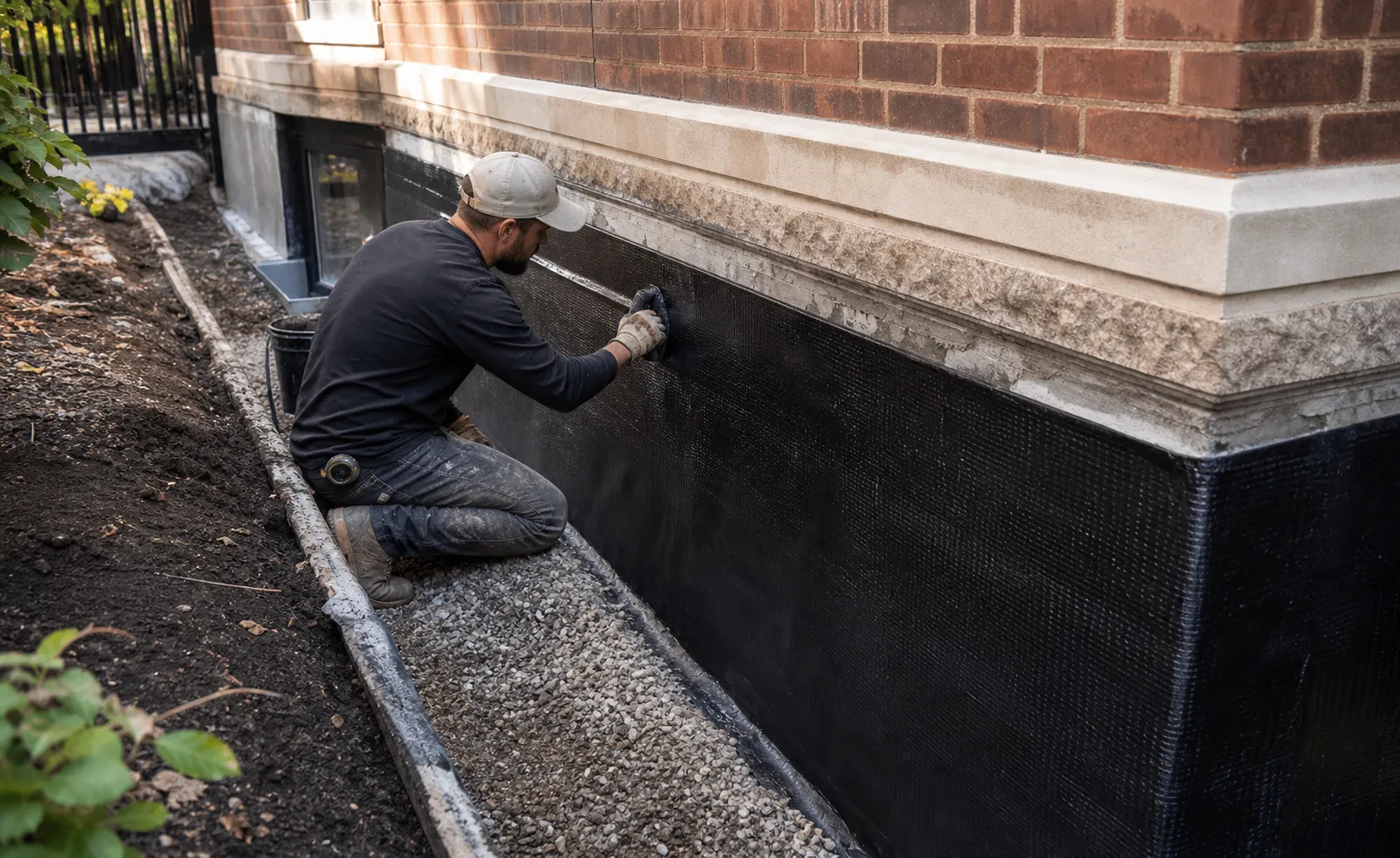
How Washington, DC Weather Damages Brick and Stone Homes (And How to Prevent It)
Washington, DC's climate is uniquely hard on brick and stone because it combines cold, freeze-thaw winters with hot, humid summers and heavy seasonal rainfall, all within the same year. That constant swing between wet and dry, hot and cold, stresses masonry in ways that milder or more consistent climates don't. Freeze-thaw cycling is the single biggest contributor to cracked mortar and spalling brick, while summer humidity and UV exposure slowly break down sealants and accelerate efflorescence. Understanding which weather pattern is doing the most damage to your specific property helps prioritize maintenance and prevent the most expensive repairs.
Freeze-Thaw Cycles
DC typically sees dozens of freeze-thaw cycles each winter as temperatures swing above and below freezing, sometimes within the same 24-hour period. Water that has worked its way into mortar joints or porous brick expands by roughly 9 percent when it freezes, exerting pressure from the inside out. Repeated over many cycles each winter, this is the leading cause of cracked mortar, spalling brick, and chimney crown failure across the DC area, and it disproportionately affects older homes with more worn mortar that already has small entry points for water.
Humidity and Moisture
DC's notoriously humid summers keep brick and mortar consistently damp for extended stretches, which encourages the growth of moss, mildew, and algae on north-facing or shaded walls. Persistent moisture also drives efflorescence, the white powdery mineral deposits that form as water evaporates out of brick, and can contribute to interior dampness in basements and ground-floor rooms if not managed with proper drainage and grading around the foundation.
Summer Heat and UV Exposure
While brick itself holds up well to heat, prolonged sun exposure breaks down masonry sealants and caulking faster than in milder climates, particularly on south- and west-facing walls that receive the most direct sun through DC's long summers. Thermal expansion, as brick heats during the day and cools at night, also puts repeated small stress on mortar joints, especially on long, unbroken wall sections without adequate expansion joints.
Heavy Rain and Storm Damage
DC experiences a fairly high number of heavy rain events and occasional severe thunderstorms each year, and poor drainage or clogged gutters during these events can direct large volumes of water directly at brick walls and foundations. Wind-driven rain during storms can also force water into vertical mortar joints that would otherwise stay relatively dry, which is part of why proper mortar joint maintenance matters even on walls that aren't directly exposed to standing water.
How DC's Historic Homes Are Especially Vulnerable
Many of DC's rowhouses in neighborhoods like Capitol Hill, Georgetown, and Petworth were built more than a century ago using softer lime-based mortar and, in some cases, softer brick than what's manufactured today. While this construction style was well suited to the maintenance practices of its era, which assumed periodic repointing, it's more vulnerable to modern weather stress if that maintenance has lapsed for decades. Older homes with original, unrepaired mortar are typically the first to show freeze-thaw damage each winter, making them a priority for proactive inspection compared to newer brick veneer construction.
Preventive Maintenance Tips for DC Homeowners
- Keep gutters and downspouts clear and directed at least a few feet away from the foundation and walls.
- Reseal or repoint mortar joints as soon as cracking appears, ideally before winter freeze-thaw cycling begins.
- Grade soil around the foundation so water flows away from the house rather than pooling against it.
- Avoid rock salt on brick steps and walkways; use sand or calcium chloride instead.
- Trim vegetation and trees away from walls to reduce moisture retention and root pressure.
- Schedule a professional masonry inspection annually, ideally in early fall.
Stone Homes Face Similar, But Distinct, Weather Risks
While brick and stone are often discussed together, natural stone responds to DC's weather somewhat differently. Porous stone types like sandstone and limestone, both used historically in DC building facades and foundations, absorb water more readily than brick and can be more prone to freeze-thaw spalling if not properly sealed. Denser stones like granite hold up better against moisture but can still suffer mortar joint failure between stones over time. Homes and buildings with stone trim, window sills, or foundation elements should have those areas checked separately from the brick during a masonry inspection, since stone sometimes needs different sealants and repair techniques than brick does.
How Seasonal Timing Affects Repair Success
Because DC's weather swings so widely across the year, timing matters almost as much as the repair itself. Mortar needs stable temperatures above roughly 40°F to cure properly, which makes spring and fall the most reliable windows for masonry work. Repairs rushed during a summer heat wave can cure too quickly and unevenly, while repairs attempted during a winter cold snap may not cure at all without special additives. Scheduling non-urgent masonry maintenance during these moderate seasons, rather than waiting until a problem becomes urgent in the middle of winter, generally produces more durable, longer-lasting results.
Frequently Asked Questions
Why is DC's climate particularly hard on brick homes?
DC combines cold winters with frequent freeze-thaw cycling, humid summers, and heavy seasonal rainfall, all of which stress masonry differently, making year-round maintenance more important than in milder or more consistent climates.
How many freeze-thaw cycles does DC typically see each winter?
DC often experiences several dozen freeze-thaw cycles each winter as temperatures swing above and below freezing, which is one of the primary drivers of cracked mortar and spalling brick in the region.
Does humidity actually damage brick?
Humidity itself doesn't damage brick directly, but prolonged moisture retention promotes efflorescence, moss and mildew growth, and can contribute to interior dampness if drainage isn't managed properly.
Are older DC rowhouses more vulnerable to weather damage?
Yes, many were built with softer lime-based mortar designed for periodic maintenance, and if that maintenance has lapsed, these homes tend to show freeze-thaw damage sooner than newer construction.
What's the best time of year to do masonry maintenance in DC?
Early fall is ideal, since it allows repairs to cure in stable temperatures before winter freeze-thaw cycling begins.
Can I prevent efflorescence from forming on my brick?
You can't eliminate it entirely, but improving drainage and addressing water intrusion sources reduces how much moisture moves through the brick, which in turn reduces efflorescence over time.
Does rock salt really damage brick and mortar?
Yes, rock salt used for de-icing accelerates spalling and can chemically weaken mortar joints over repeated winter use, so sand or calcium chloride are safer alternatives near masonry.
How does wind-driven rain affect brick walls differently than regular rain?
Wind-driven rain during storms can force water into vertical mortar joints that normally stay dry, which is why joint maintenance matters even on walls not directly exposed to standing water.
Get a Free Quote
Talk to a local DC masonry expert about your project — no pressure, no obligation.